Earn Your Golden Spike: A Milestone for Every Model Railroader
Many NMRA members spend countless hours building layouts, detailing rolling stock, wiring track, constructing structures, and creating realistic scenery. Yet many never realize they have already completed much of the work needed to earn one of the most accessible recognitions in the NMRA Achievement Program: the Golden Spike Award.
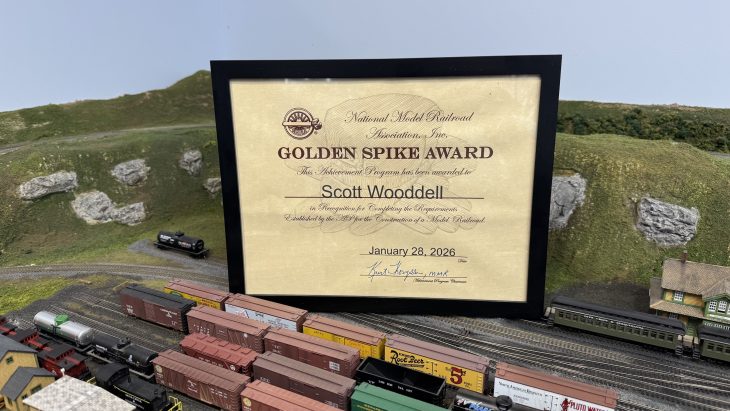
For many members, the Golden Spike Award is their first Achievement Program award. It is designed to recognize a model railroader’s familiarity with several different areas of the hobby and encourage the development of a well-rounded set of skills. Rather than focusing on a single specialty, the award demonstrates competence in a variety of model railroading disciplines.
The requirements are organized into three categories that represent major aspects of the hobby.
Rolling Stock (Cars & Motive Power)
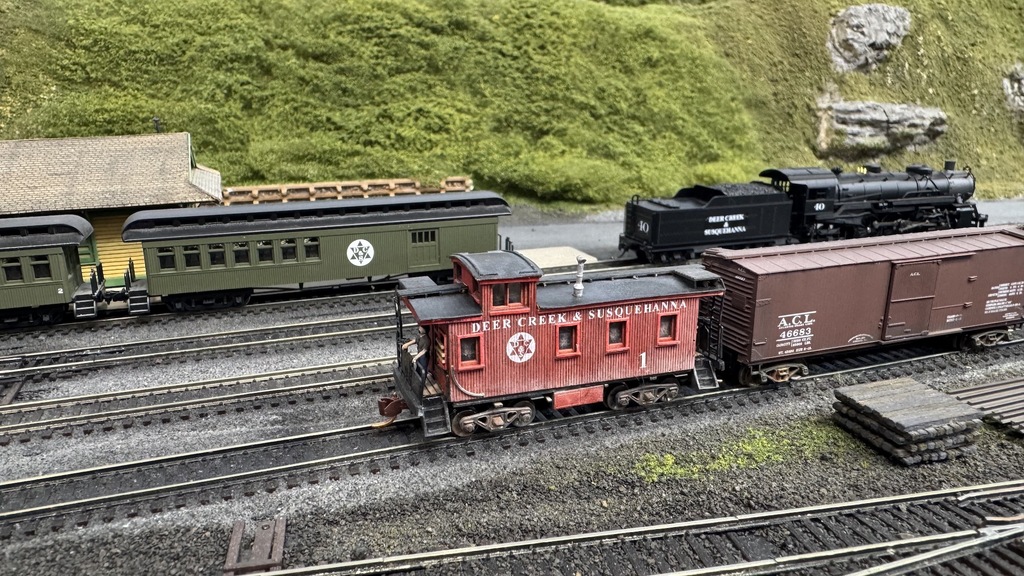
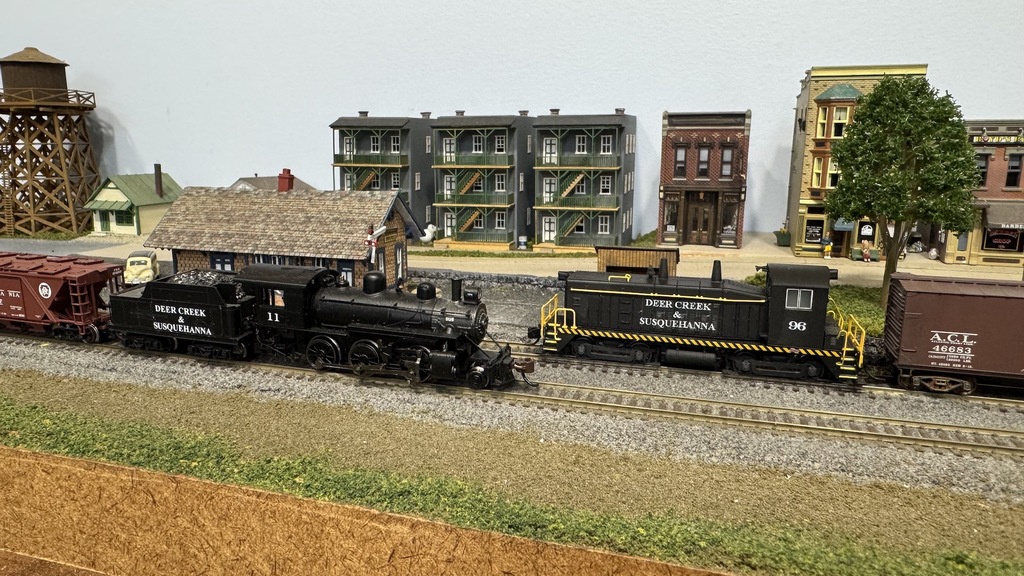
The Rolling Stock category requires the construction of six pieces of rolling stock or motive power. These may be craftsman kits, detailed commercial kits, or scratchbuilt models. The intent is to demonstrate modeling skills and attention to detail while building equipment for your railroad.
Many members may already have qualifying models on their layouts. If you’ve assembled and detailed freight cars, passenger cars, cabooses, or locomotives beyond a basic kit, you may already be partway toward meeting this requirement. Even better, the six models do not need to be completed all at once. Many modelers discover they have already built several qualifying pieces over the course of normal hobby activities.
Setting (Structures & Scenery)
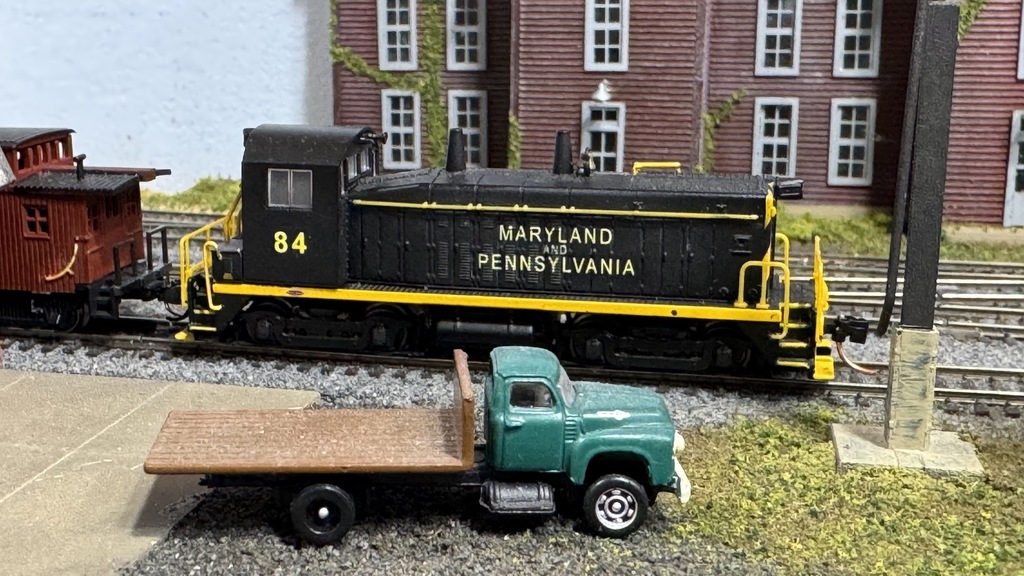
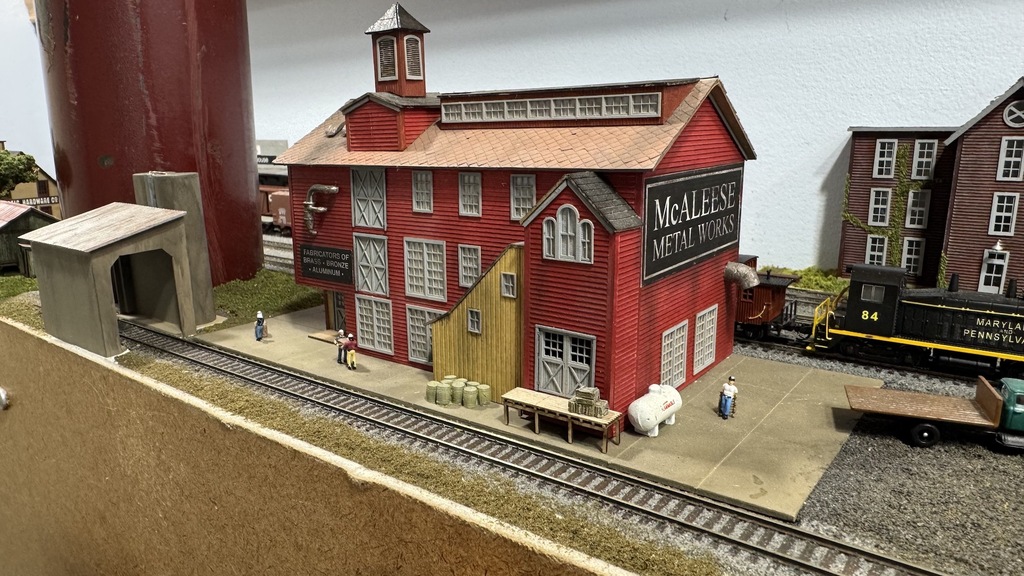
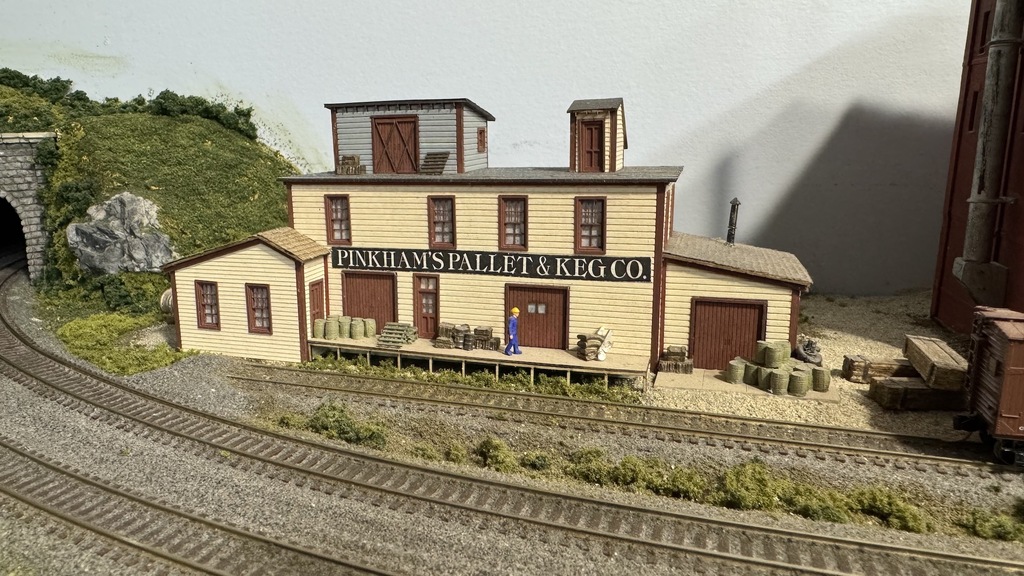
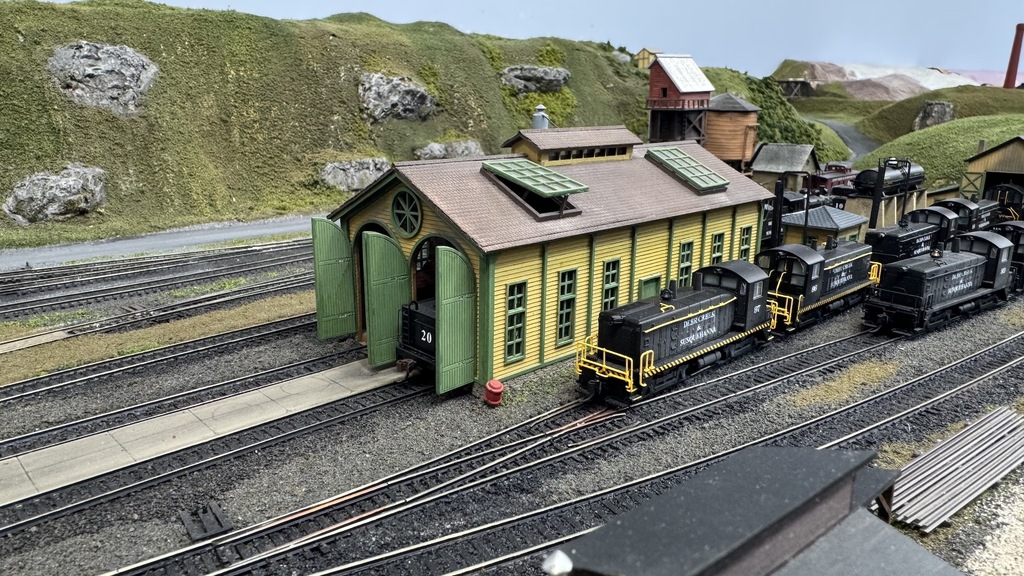
The Setting category recognizes the work that brings a railroad to life. To satisfy this requirement, members must complete at least eight square feet of model railroad scenery or modules and construct five detailed structures.
For many modelers, this requirement is already within reach. A small town scene, industrial area, or a few completed modules can easily account for eight square feet of finished scenery. Likewise, many layouts already include depots, industries, homes, or other structures that may qualify toward the five-structure requirement.
The goal is not to build a large railroad. Instead, the requirement demonstrates an understanding of how scenery and structures work together to create a believable setting for railroad operations. Ground cover, roads, trees, terrain, and buildings all contribute to transforming track on a tabletop into a miniature world.
Engineering (Civil & Electrical)
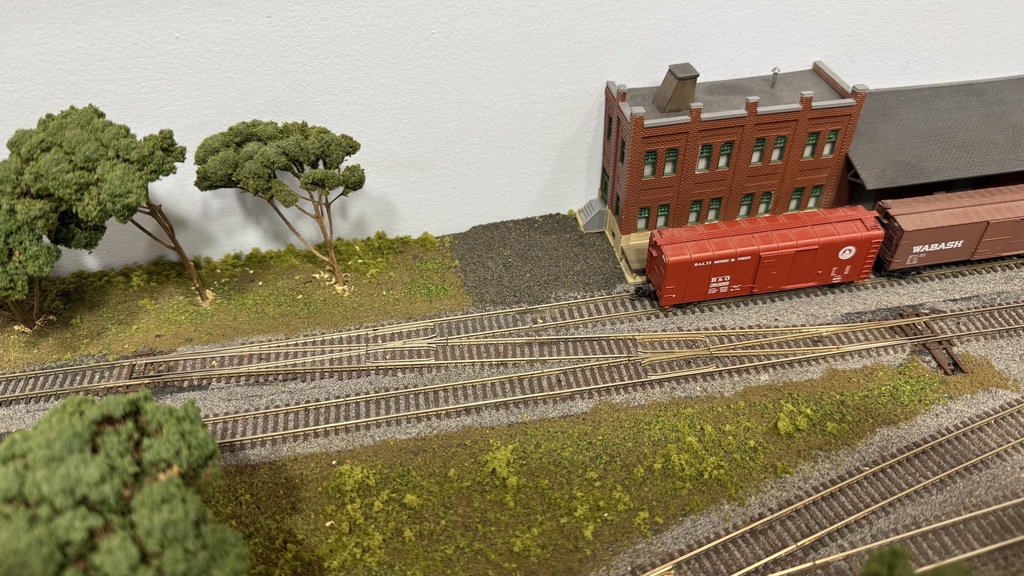
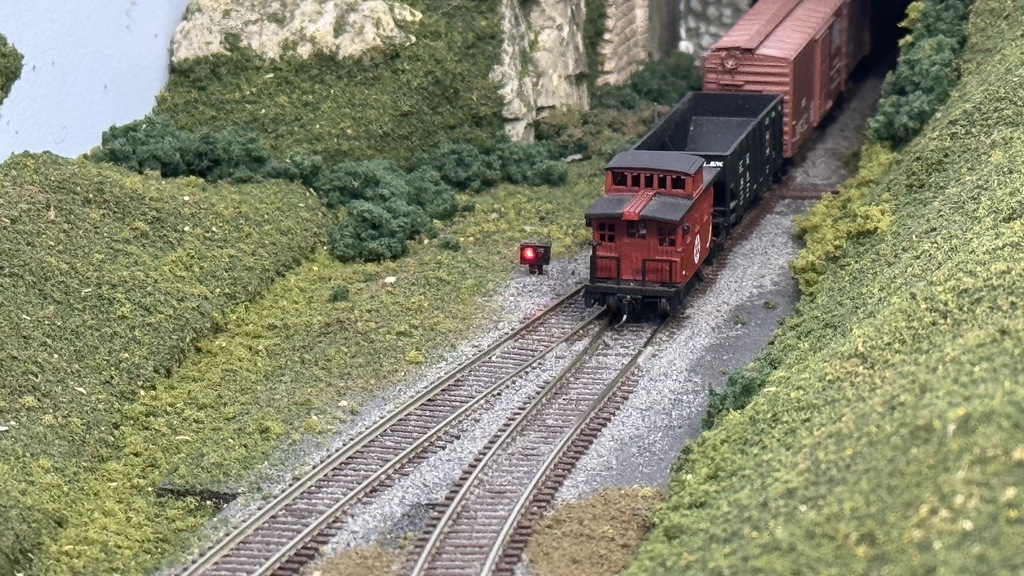
The Engineering category focuses on the trackwork and electrical systems that make a railroad operate. To meet this requirement, members must install at least three different types of trackage, complete with ballast. Examples might include turnouts, crossings, crossovers, or other track arrangements commonly found on a model railroad.
The layout must also be wired so that two trains can operate simultaneously. This can be accomplished through a double-track mainline, passing sidings, or another arrangement that allows multiple trains to be in operation at the same time.
Finally, members must demonstrate one additional electrical feature beyond basic train operation. This might include structure lighting, street lighting, signals, animation, crossing protection, turnout control, or another electrical component that enhances the railroad.
These requirements are designed to demonstrate an understanding of both the civil engineering and electrical aspects of model railroading. Reliable trackwork and wiring are essential to enjoyable operation, and the Golden Spike Award recognizes the skills needed to build a railroad that not only looks good but runs well.
Why Pursue the Golden Spike Award?
One of the greatest strengths of the Golden Spike Award is that it encourages members to explore multiple facets of the hobby. While some modelers enjoy scenery, others prefer operations, structures, motive power, or electrical systems. The award recognizes that model railroading is a combination of many skills working together to create a complete railroad.
Many members are surprised to discover how much of the award they have already completed. The track they’ve laid, the structures they’ve built, the scenery they’ve created, and the rolling stock they’ve assembled may already satisfy a significant portion of the requirements.
Pursuing the Golden Spike Award also provides an excellent opportunity to document your work. Taking photographs and keeping notes not only helps with the application process but also creates a record of your accomplishments and progress as a modeler.
Perhaps most importantly, the Achievement Program is not something you have to tackle alone. Experienced NMRA members and Achievement Program volunteers are available to answer questions, explain requirements, and help guide you through the process.
If you’ve never explored the Achievement Program before, the Golden Spike Award is an excellent place to start. Review the requirements, look at the work you’ve already completed, and see how close you may be. You might discover that earning your first Achievement Program award is well within reach.
Interested in pursuing the Golden Spike Award? Contact the Chesapeake Division Achievement Program Chair or speak with a member who has already earned the award. We’d be happy to answer your questions, review your progress, and help you take the first step toward earning your Golden Spike.
One thought on “Earn Your Golden Spike: A Milestone for Every Model Railroader”
Scott, that’s a great article about one of the lesser-known AP certificates. I’ve talked to long-time modelers who know of the 11 categories (or at least about them), but knew nothing about the easiest Award of them all. Hopefully, this will make a few more aware of it.
Comments are closed.