
Division Layout – Bill Freeland’s B&O Railroad
Walk into Bill Freeland’s railroad room during an operating session and it does not take long to realize this is not just another home layout. Trains are moving on multiple levels, crews are studying paperwork, yard operators are sorting cars, and engineers are carefully working their way across a railroad that seems to stretch forever. Around one corner, a freight is grinding upgrade through the mountains. Somewhere above, another train is rolling toward Chicago.
Bill’s HO scale Baltimore & Ohio Railroad captures the B&O during the late 1940s and early 1950s, when steam locomotives still shared the rails with first-generation diesels. The railroad represents the line running west from Baltimore and Washington through the Appalachians and on toward Chicago and Buffalo. Instead of focusing on one town or division point, the layout gives the impression of moving trains across an entire railroad system.
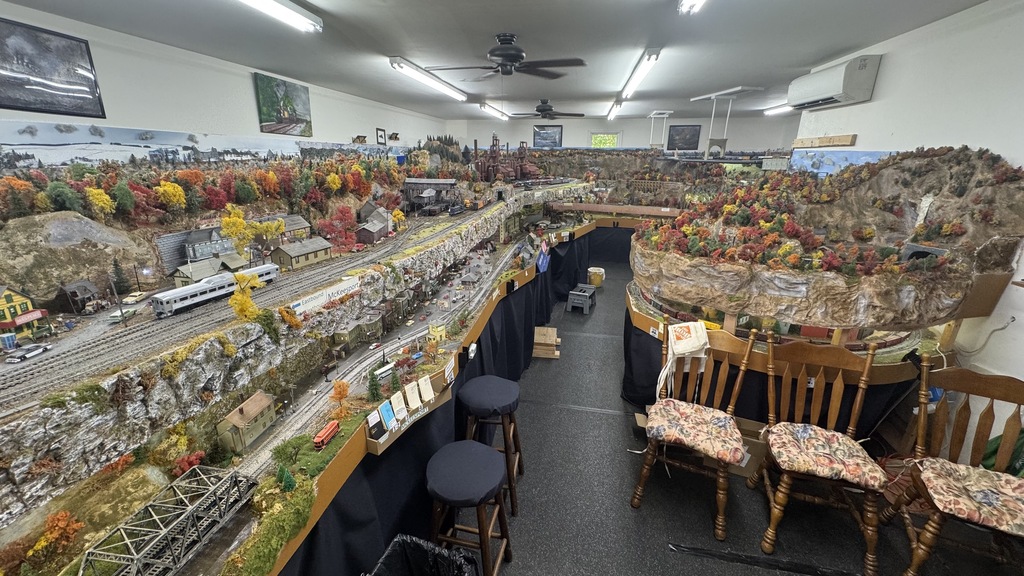
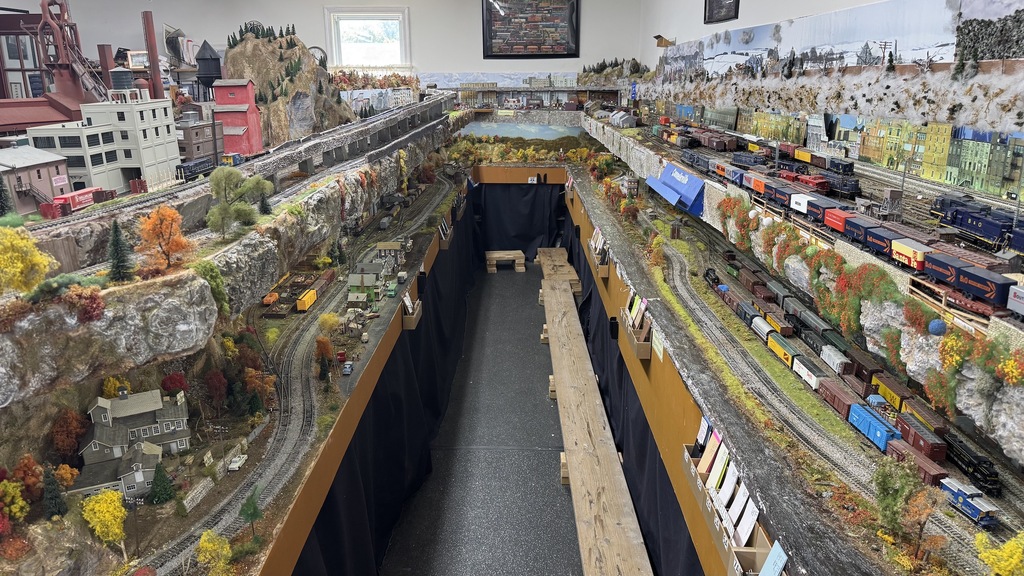
The railroad is housed in a room addition built specifically for the layout, and the space was clearly designed with operations in mind. Measuring roughly 25 feet by 40 feet, the room gives the railroad plenty of space to breathe. Wide aisles, multiple decks, and long runs between scenes allow crews to spread out naturally during sessions. Rather than feeling crowded, operators can follow their trains from town to town as traffic moves across the system.
The size of the layout is impressive, but what really stands out is how naturally everything flows together. The railroad occupies four levels and includes roughly 1,100 feet of mainline, yet there is no helix. Trains climb between decks in ways that feel believable and remain visible for much of the trip, which keeps operators engaged throughout a session.
One of the more interesting design features is the staging arrangement at both ends of the railroad. The Baltimore/Washington staging and the Buffalo/Chicago staging are both built as loops rather than traditional stub-ended yards. This allows trains to continuously cycle through the system during operating sessions without needing to be manually turned or restaged between runs. The result is a steady flow of traffic that helps the railroad feel alive from start to finish.
From staging, trains move through recognizable B&O locations including Brunswick, Harpers Ferry, Martinsburg, Cumberland, Grafton, Connellsville, Pittsburgh, and beyond. Each town gives operators new switching work and operational challenges while maintaining the feeling of moving across a busy mainline railroad.
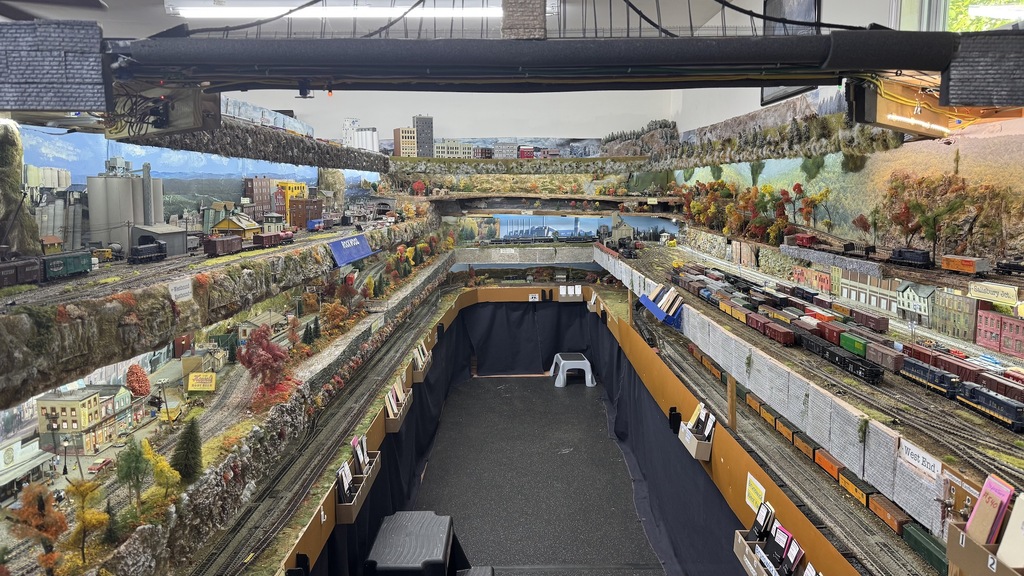
Operations are clearly the heart of the railroad. Crews work local industries, road freights move traffic across the system, and yard jobs stay busy throughout the session. Cumberland Yard is especially active, with operators constantly building and breaking down trains. During sessions, it is easy to lose track of time because the railroad feels busy in the same way a real transportation system would.
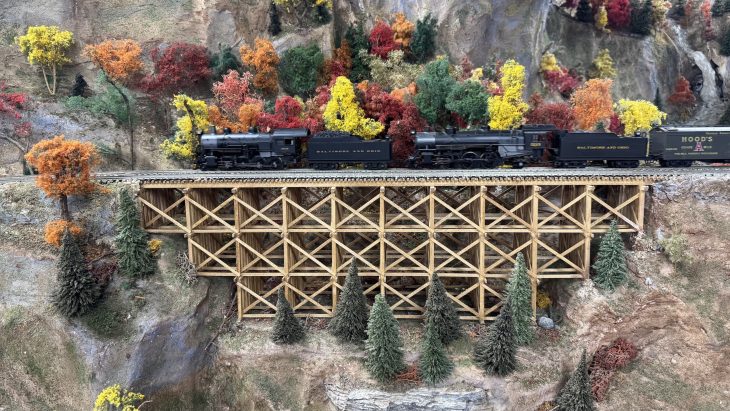
The scenery is another highlight of the railroad. Bill models the entire layout in the fall, with hillsides covered in reds, oranges, yellows, and fading greens. The autumn scenery fits the Appalachian setting perfectly and gives the railroad a warm, realistic appearance. Long trains winding through colorful mountain scenery create scenes that look like they could have come straight from a vintage B&O calendar.
Beyond the trees and mountains, the layout is filled with detailed scenery work. Carefully crafted rock castings and hand-carved rock faces line the right-of-way in many scenes, capturing the rugged terrain the B&O was known for. Streams, rivers, and other water features add even more realism and help tie the scenery together. These details give the railroad depth and make operators feel like they are moving through real Appalachian territory rather than simply circling a layout room.
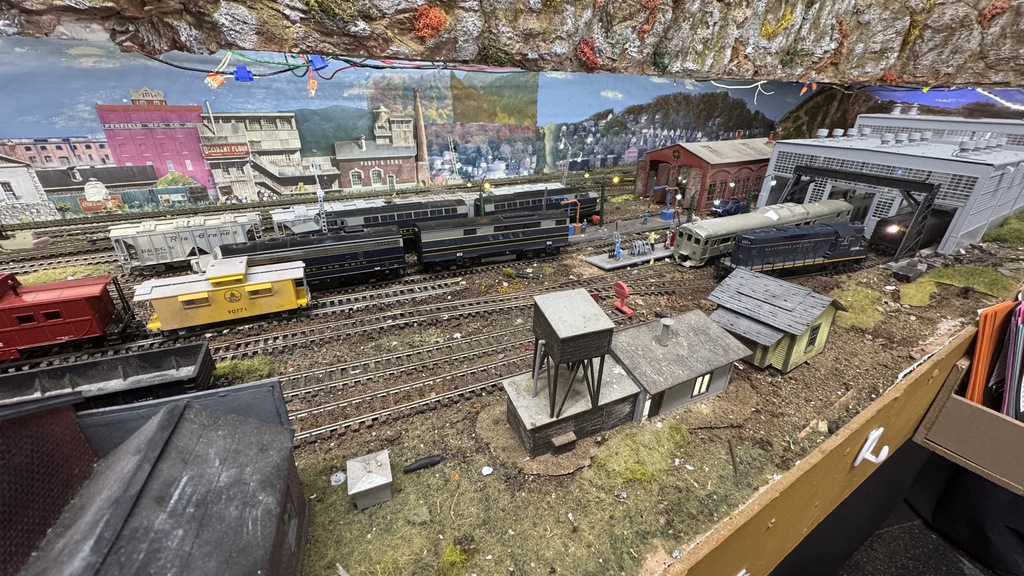
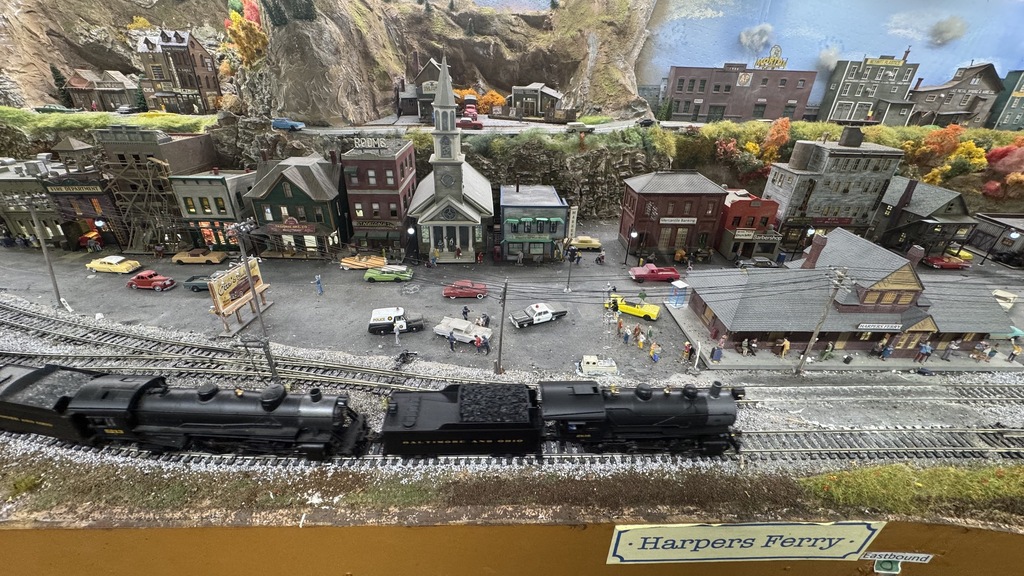
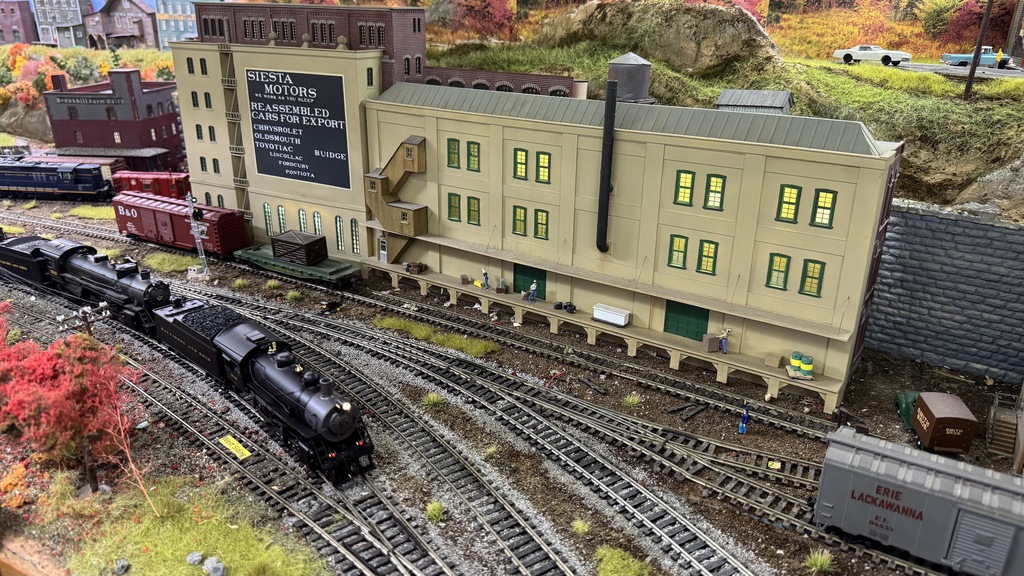
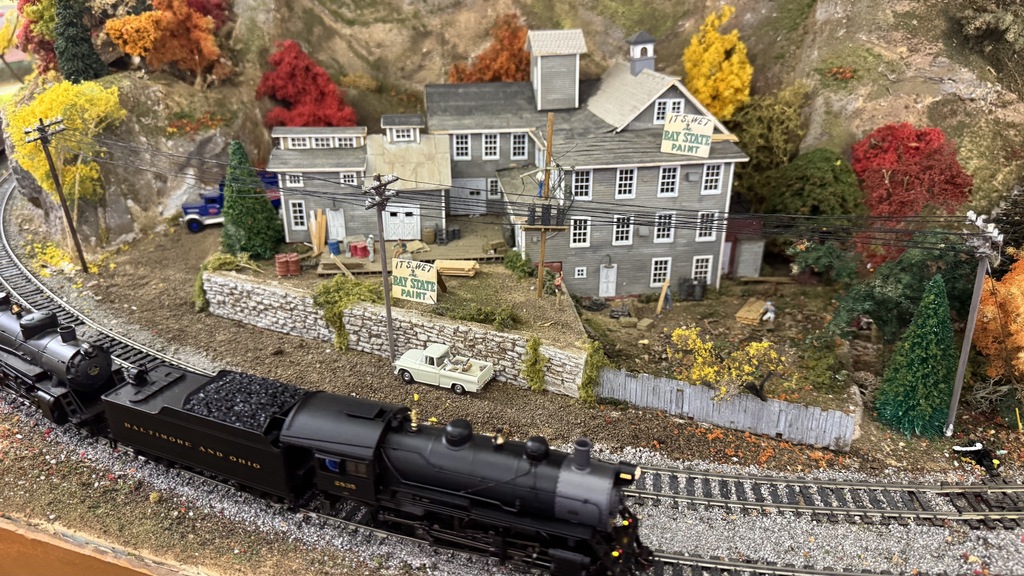
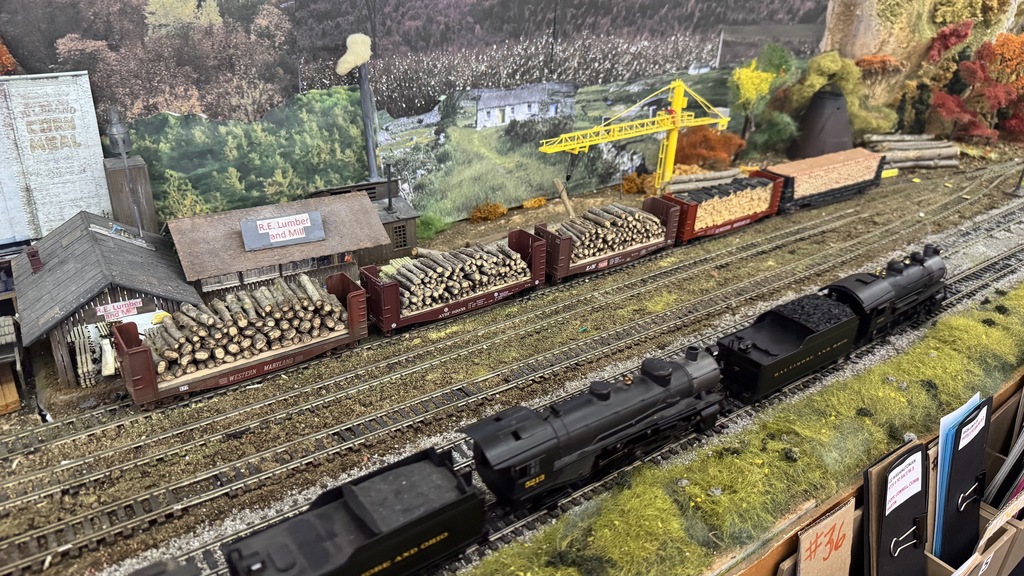
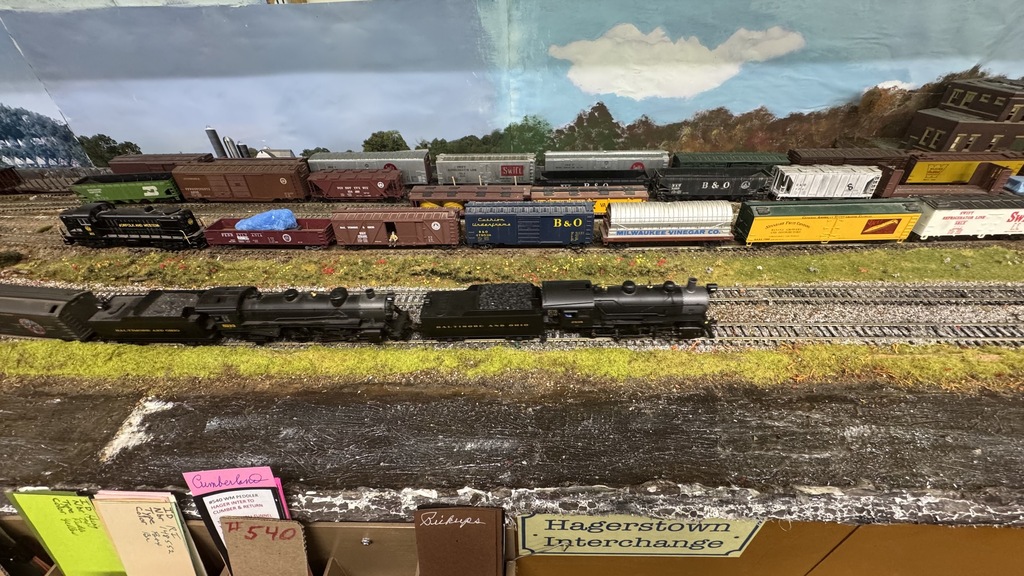
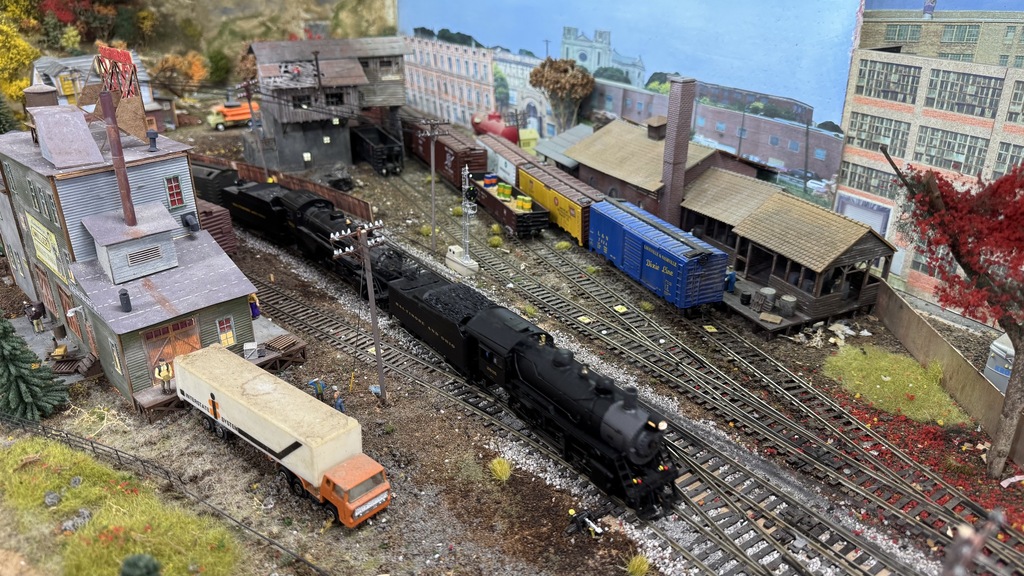
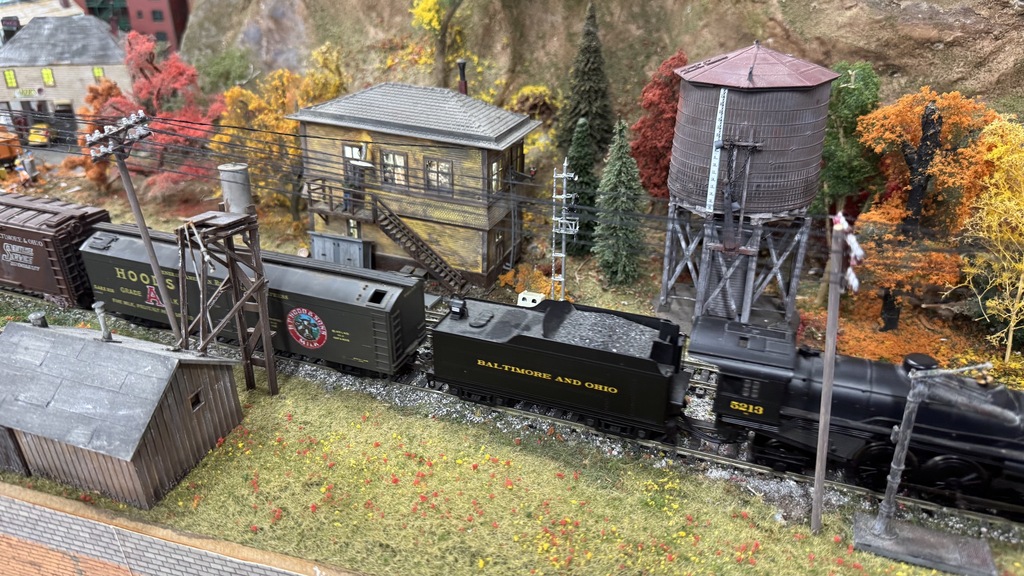
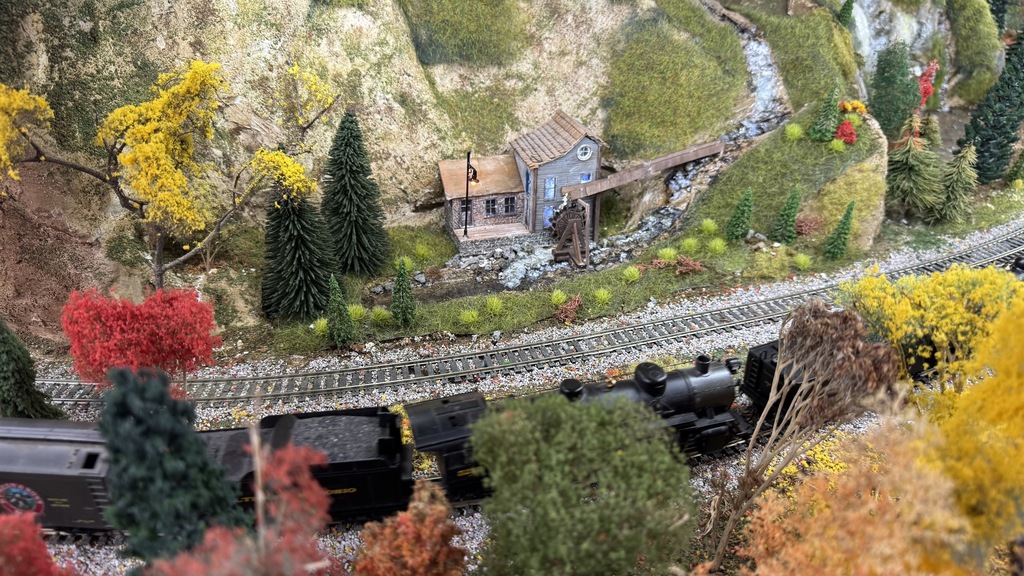
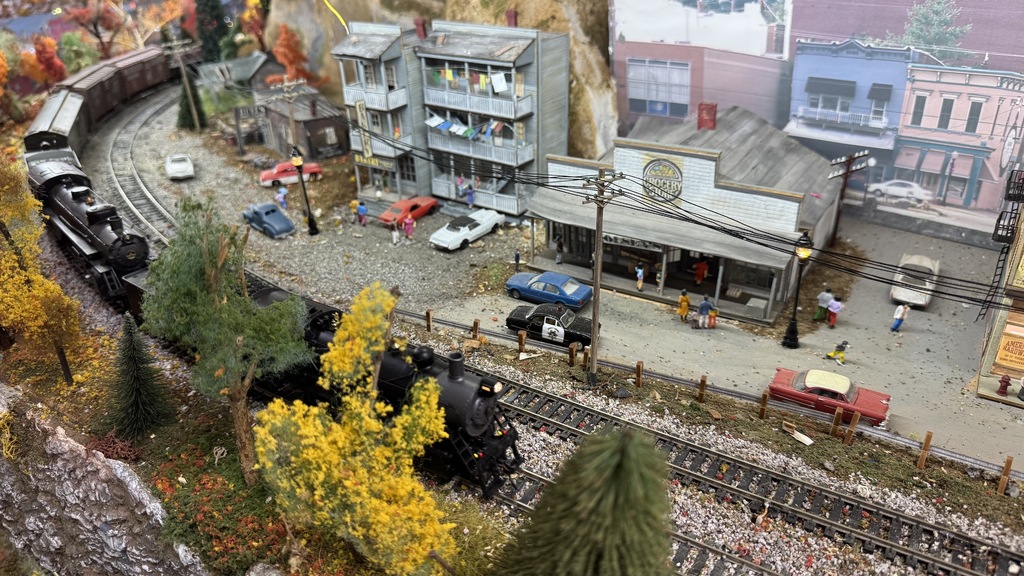
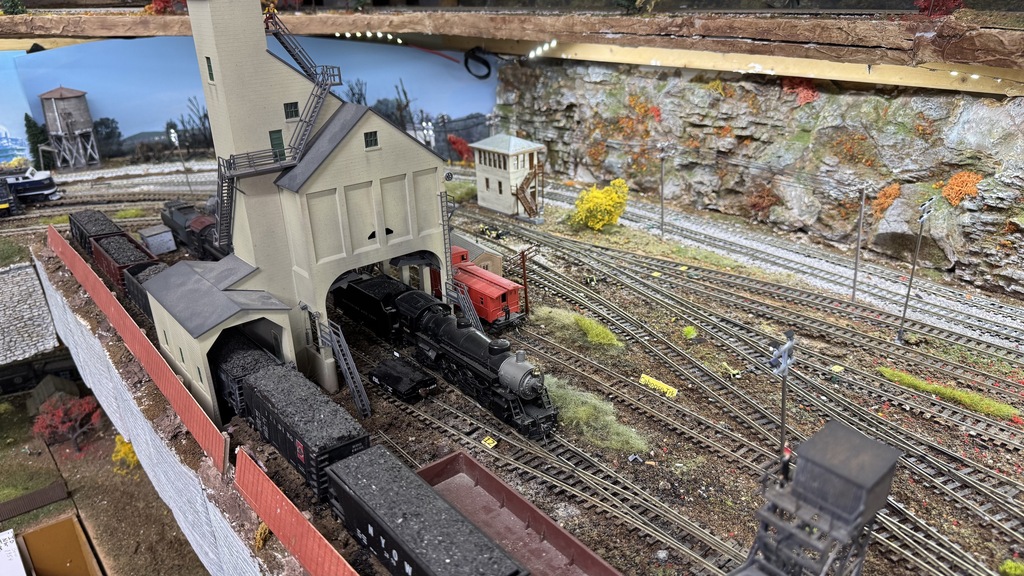
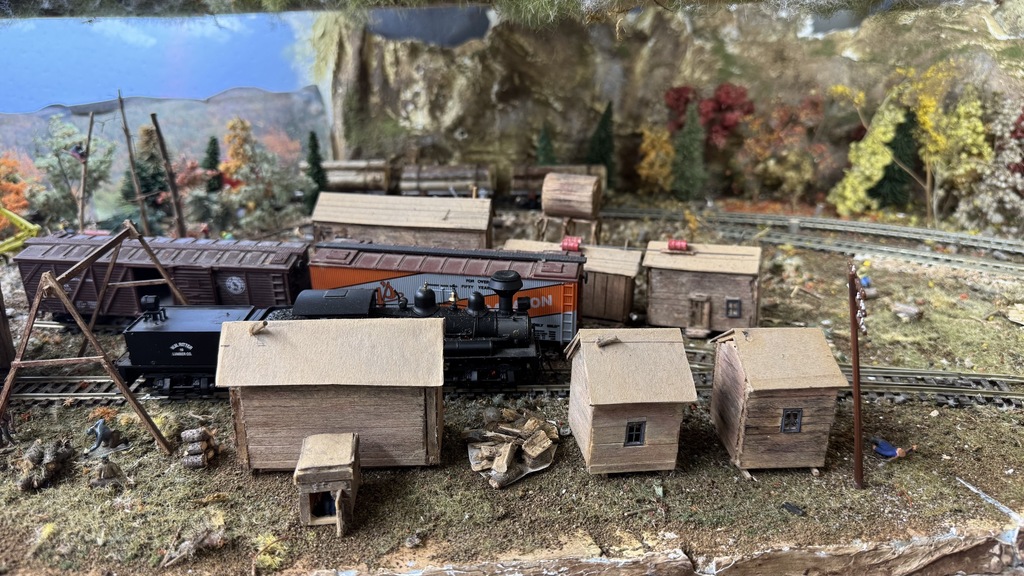
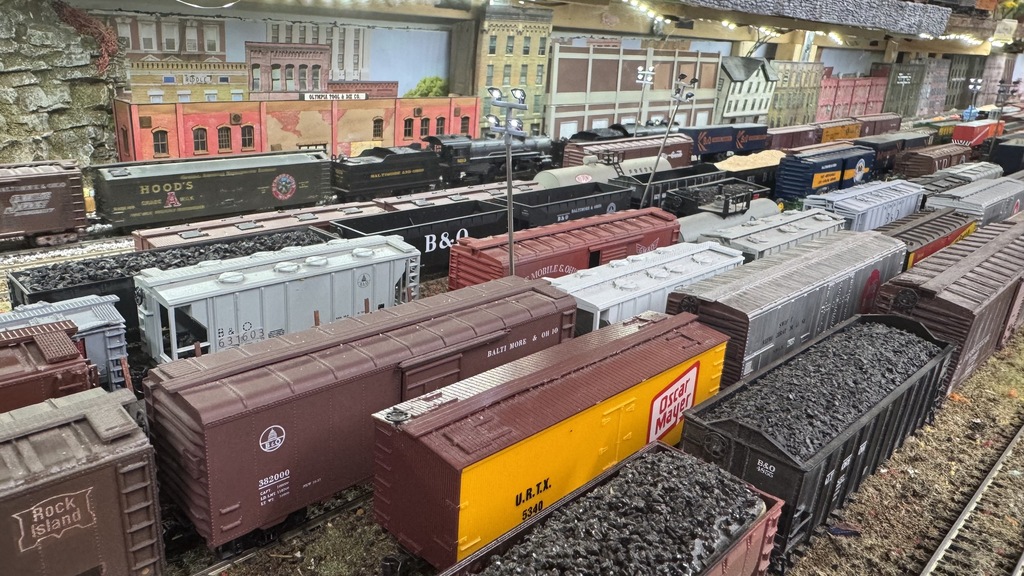
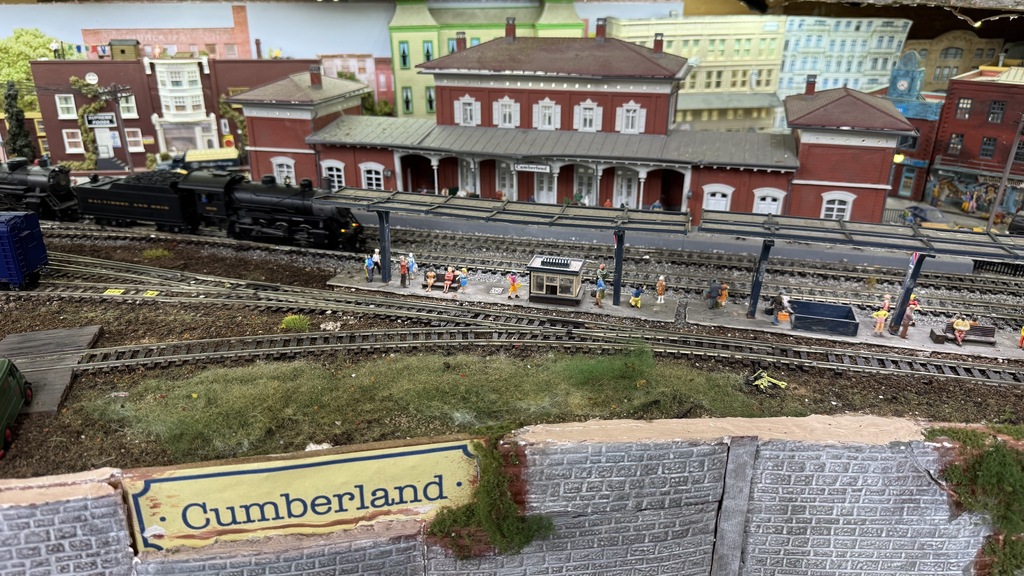
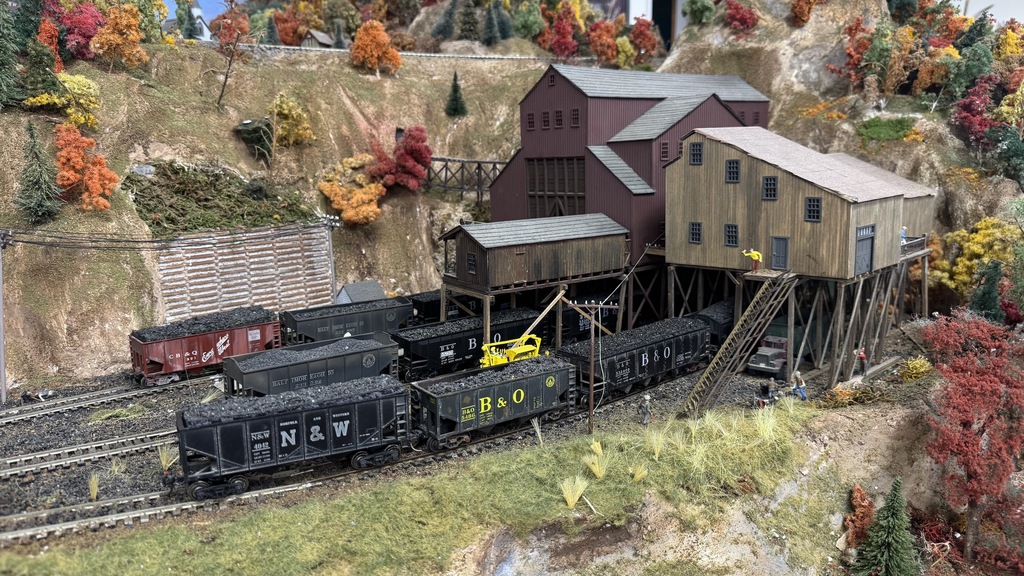
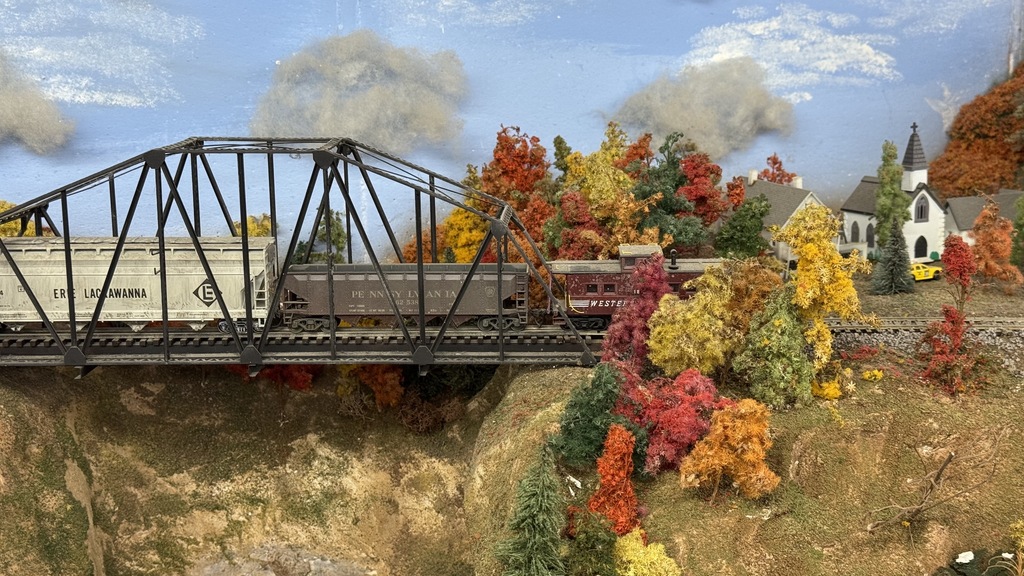
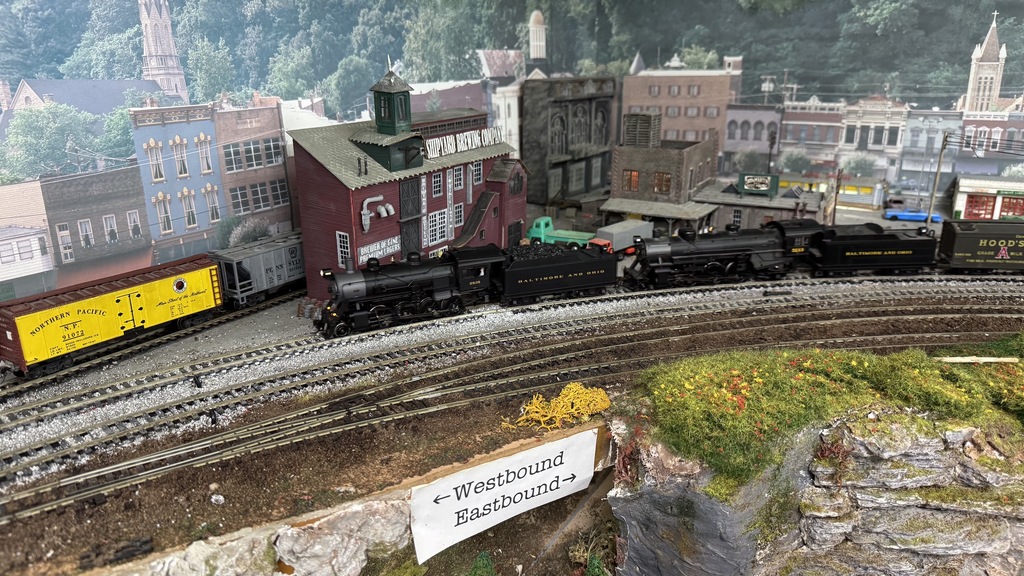
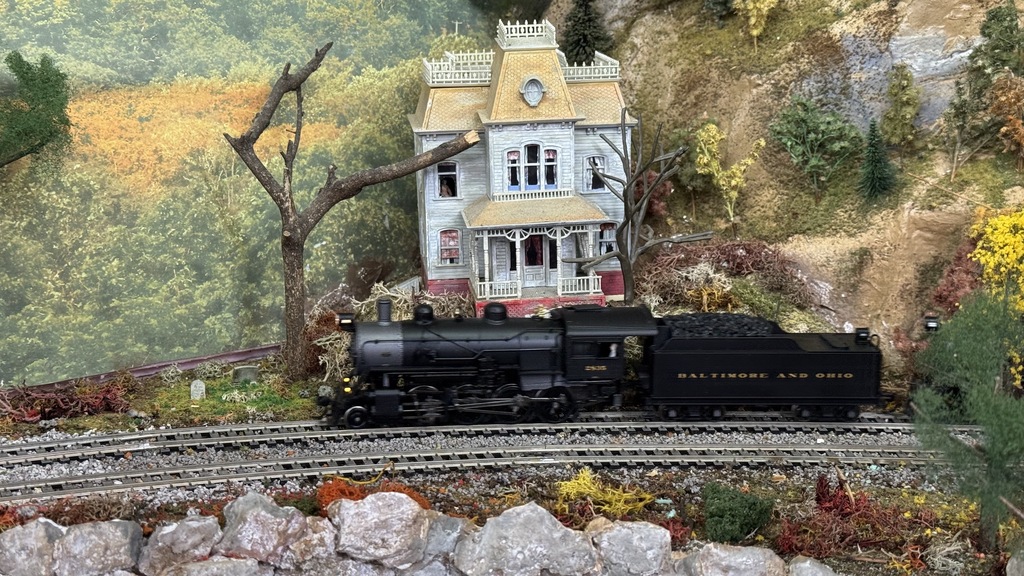
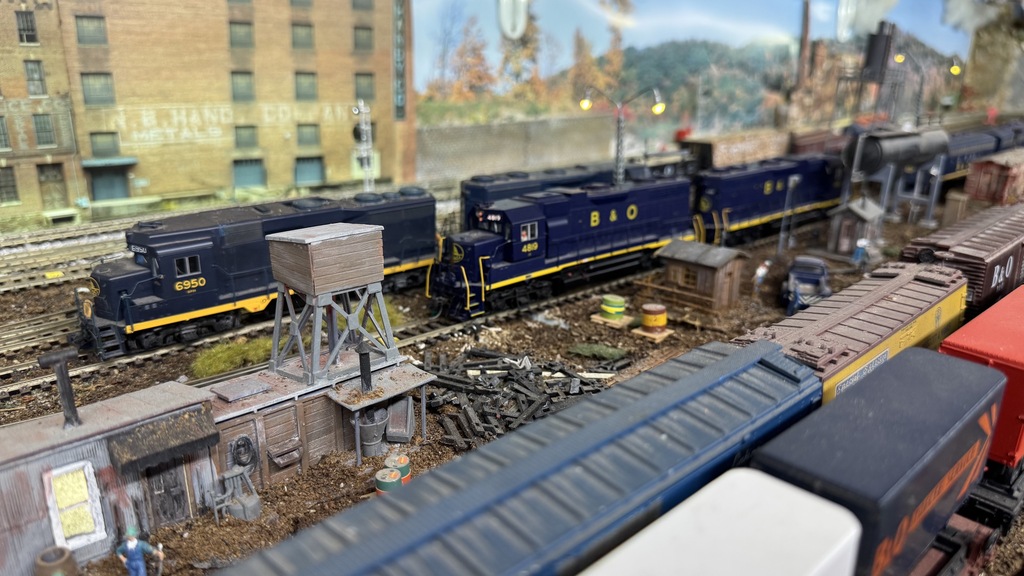
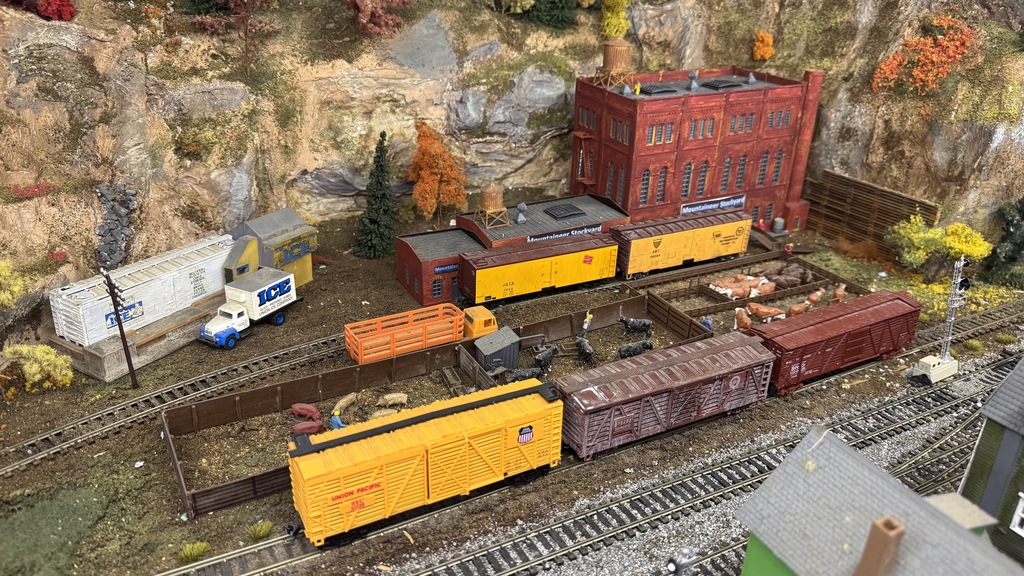
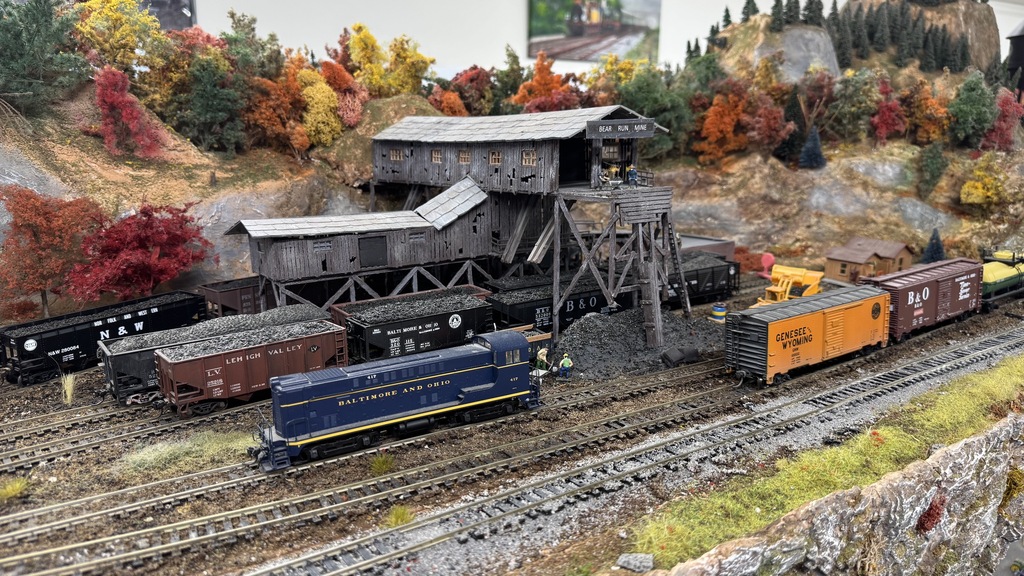
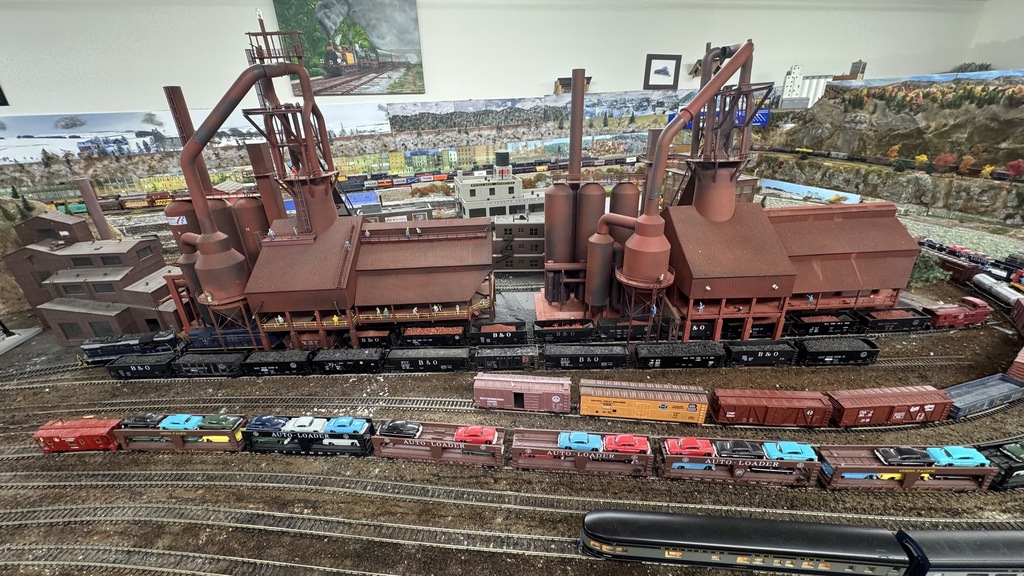
The structures across the railroad deserve just as much attention. Many are highly detailed craftsman kits built by Bill, featuring weathering and details that blend naturally into the surrounding scenes. Other structures carry a bit of history from fellow model railroaders. Some buildings were donated from layouts that were being dismantled, allowing pieces of other railroads to live on as part of Bill’s B&O. It adds another layer of personality to the railroad and reflects the sense of community that exists within the hobby.
What makes the layout especially memorable is that it feels personal. Bill’s connection to the B&O goes back to his father, who worked for the railroad, and that influence can be seen throughout the layout. This is clearly a railroad built by someone who knows and appreciates the B&O beyond just photographs and timetables.
For visitors, the layout is impressive to look at. For operators, it is even better. Once a throttle is in hand and paperwork starts piling up, the railroad becomes less about watching trains and more about keeping the railroad moving. That is what makes Bill Freeland’s B&O stand out. It is not simply a large layout — it feels like a working railroad.