Division Layout – Bill McAleese’s West Virginia Mountain Branch
by Bill McAleese
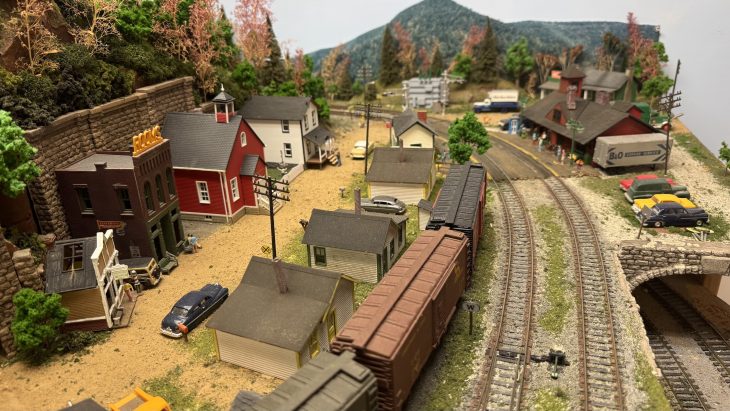
The West Virginia Mountain Branch Model Railroad began in 2006 as a long-term project to capture the rugged beauty and railroad heritage of the Appalachian region.
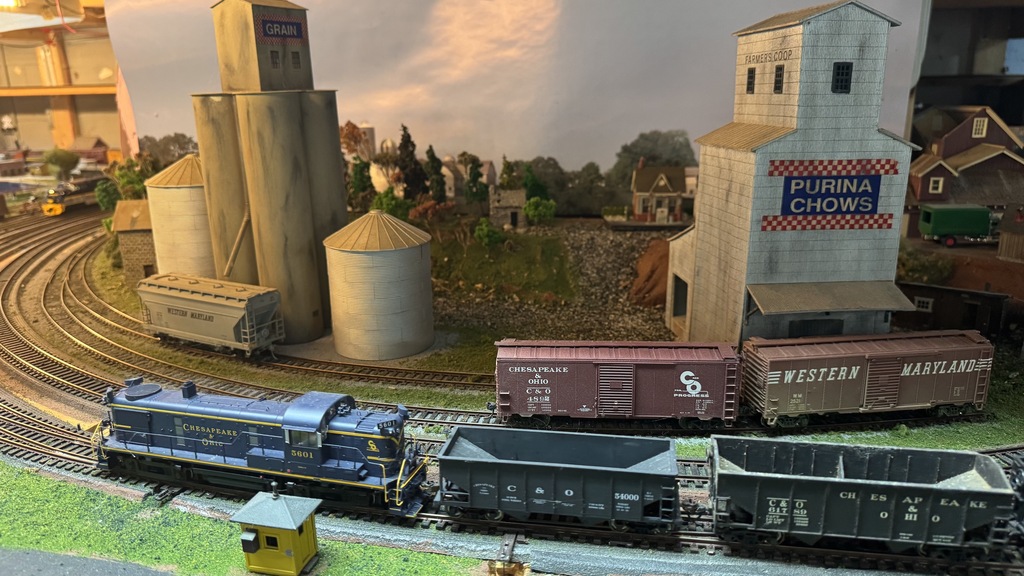
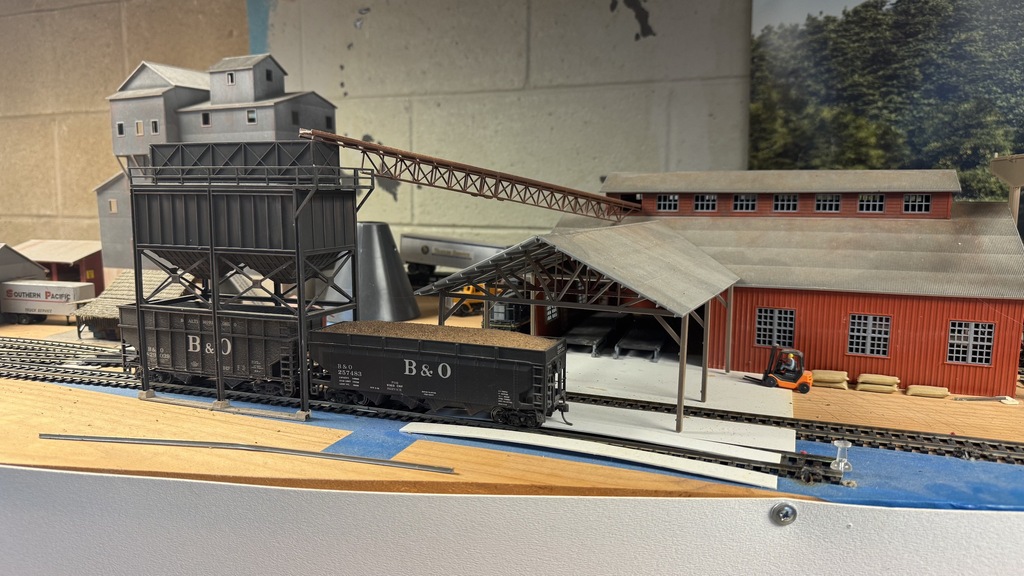
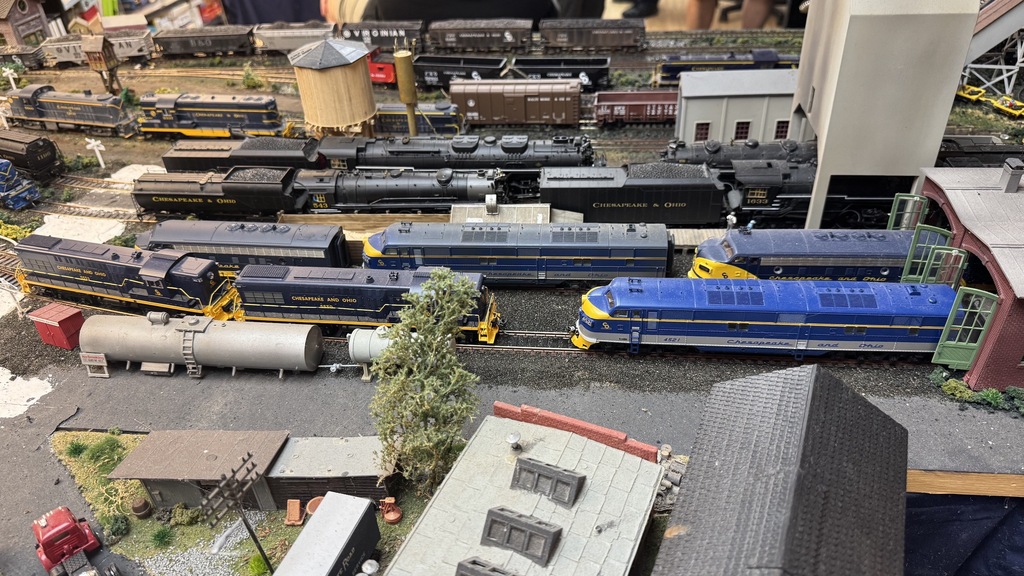
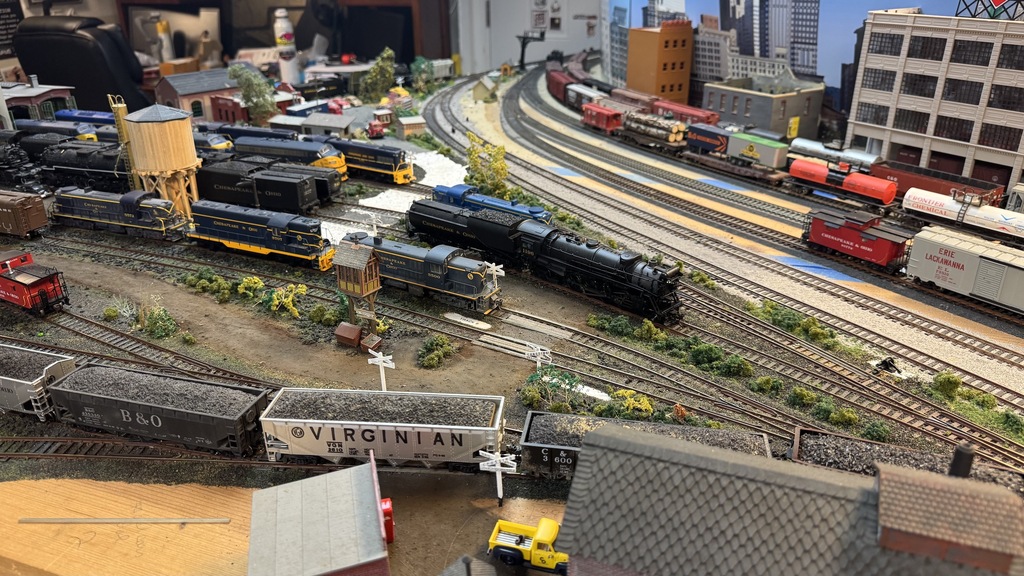
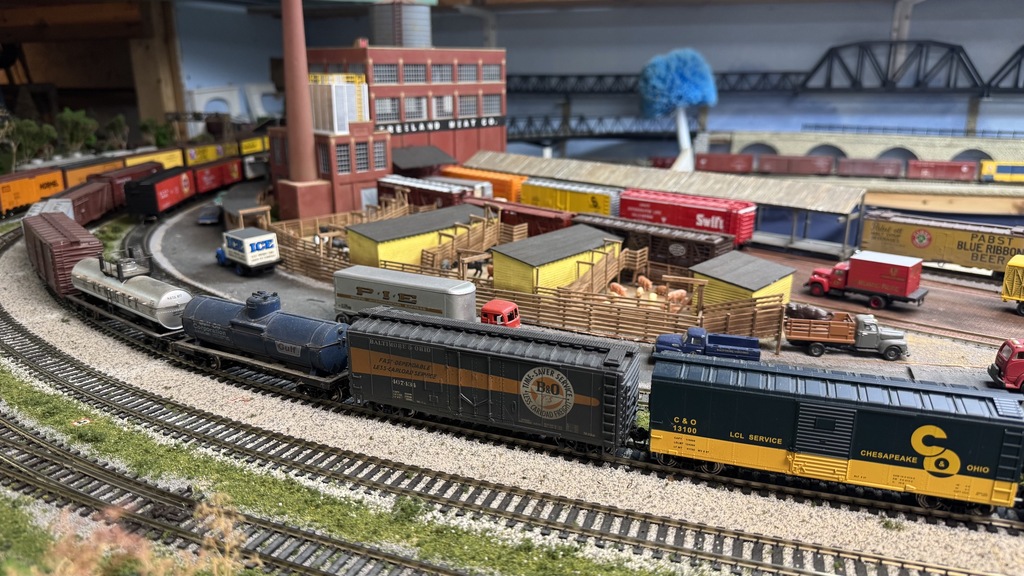
Built in a 24′ x 43′ basement that gradually expanded over the years, the multi-level layout recreates a fictionalized version of the north-south branch line of the Baltimore & Ohio Railroad that once connected Grafton, West Virginia, with Charleston, West Virginia, while also featuring a westward connection to Huntington, West Virginia, via the Chesapeake & Ohio Railway.
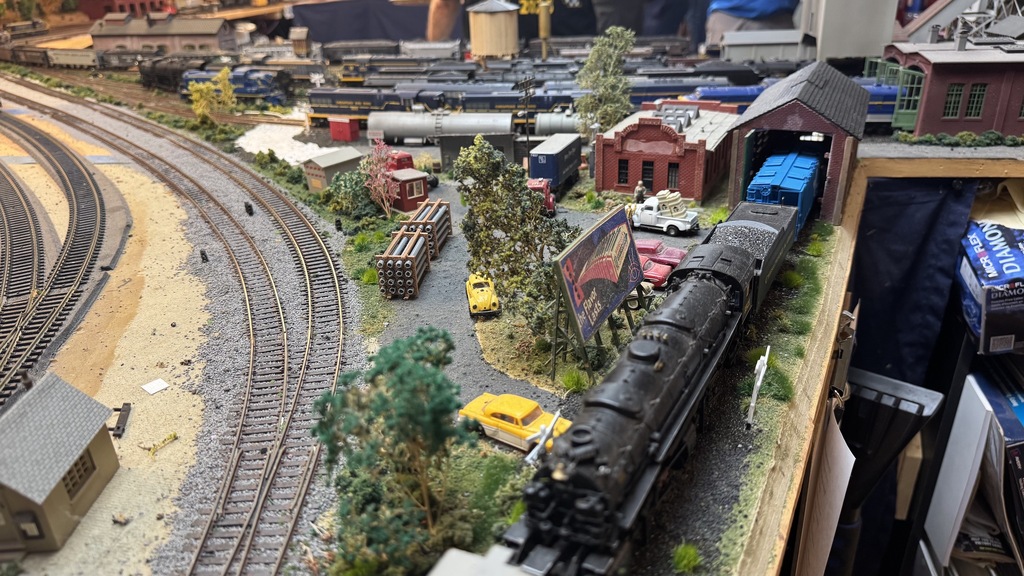
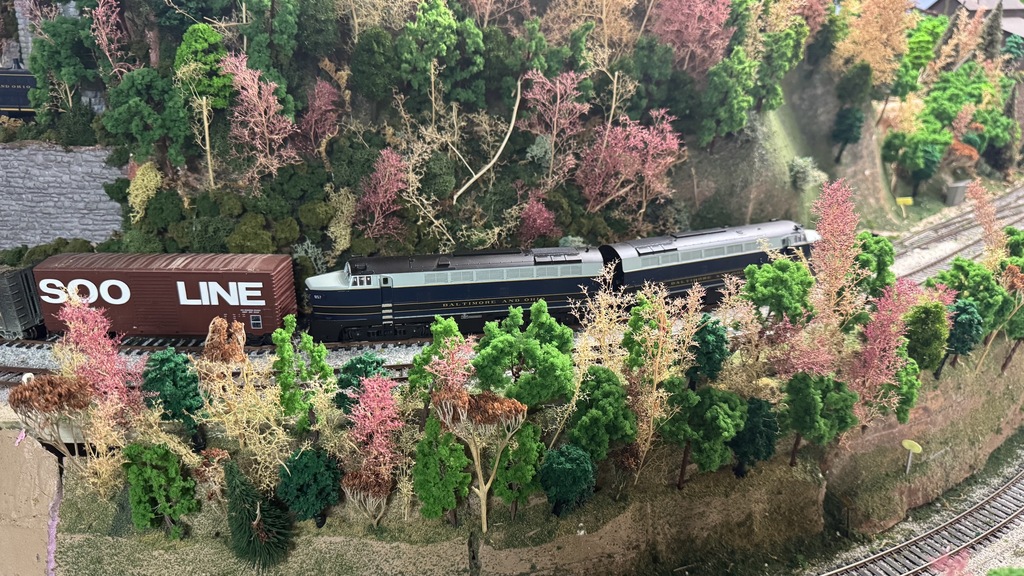
Set during the 1950s, the railroad portrays a time when steam power was giving way to first-generation diesel locomotives.
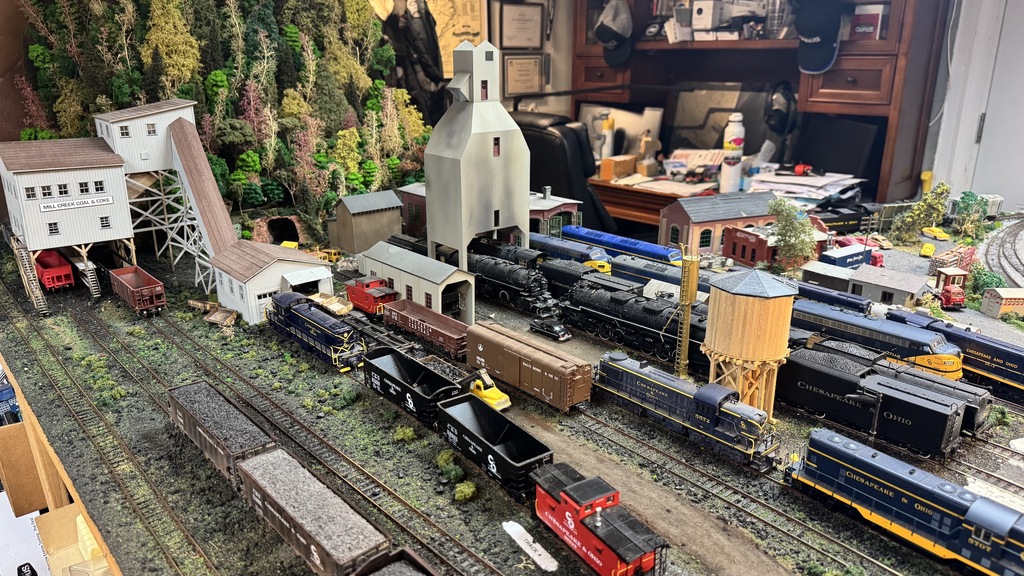
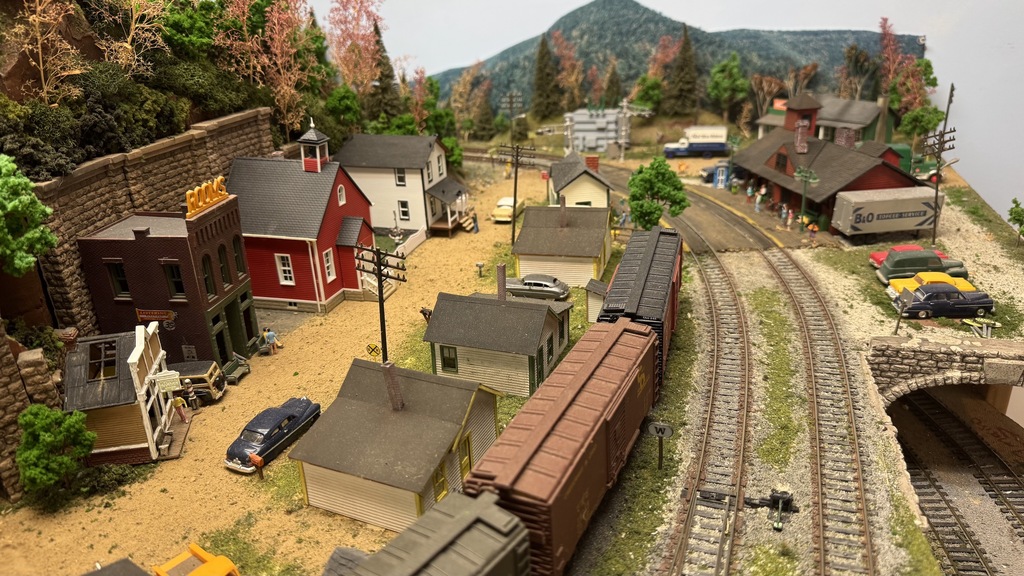
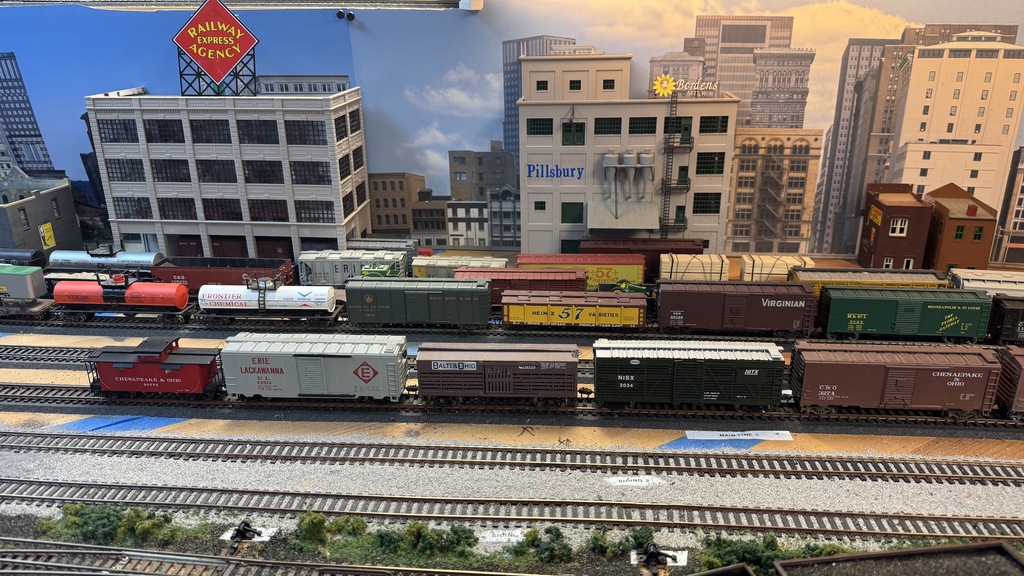
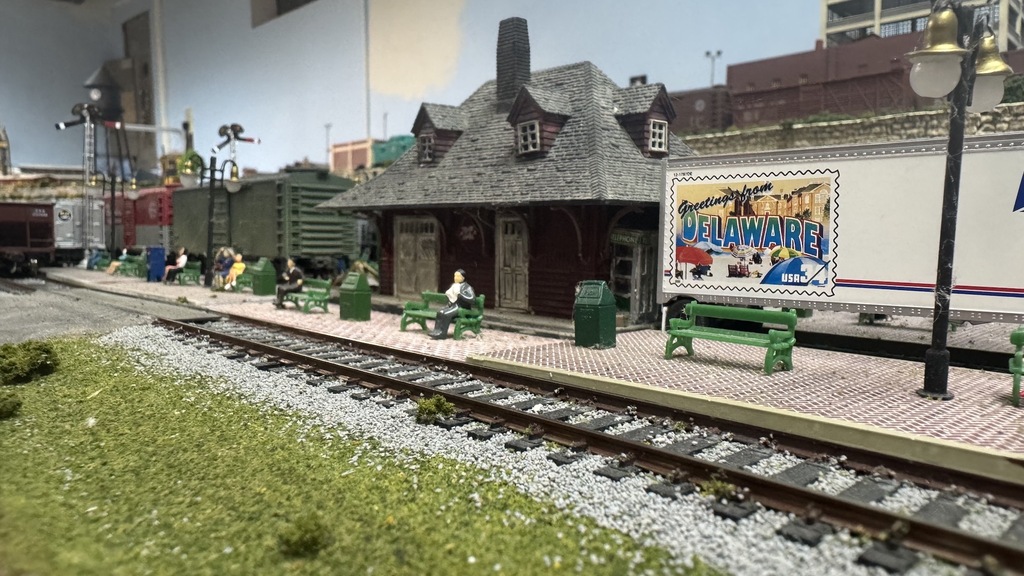
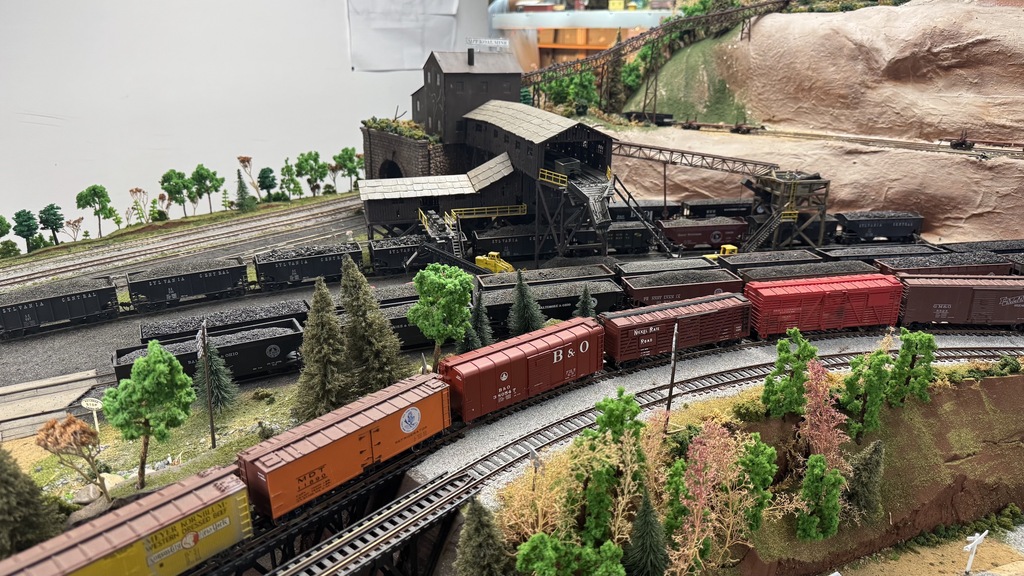
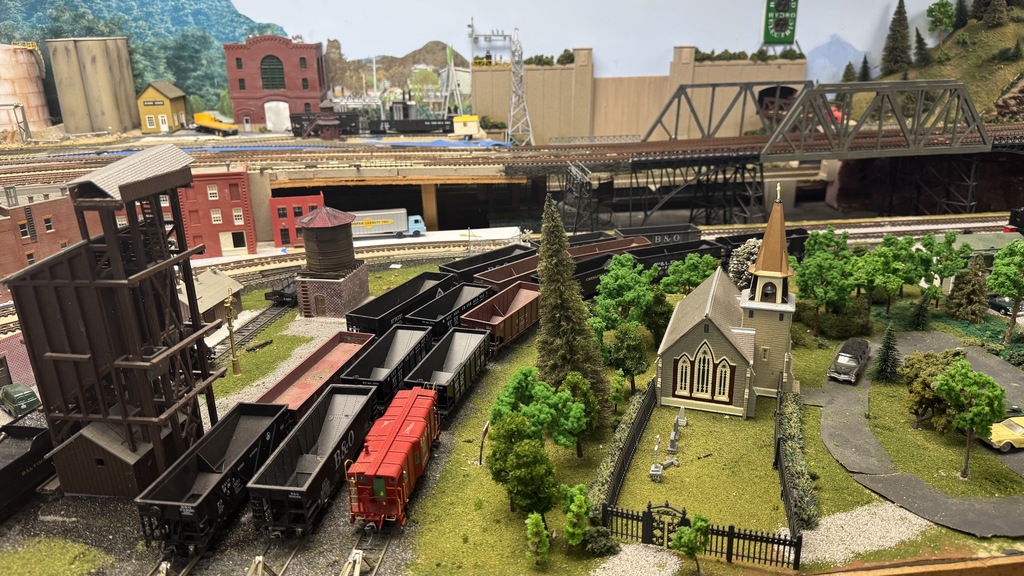
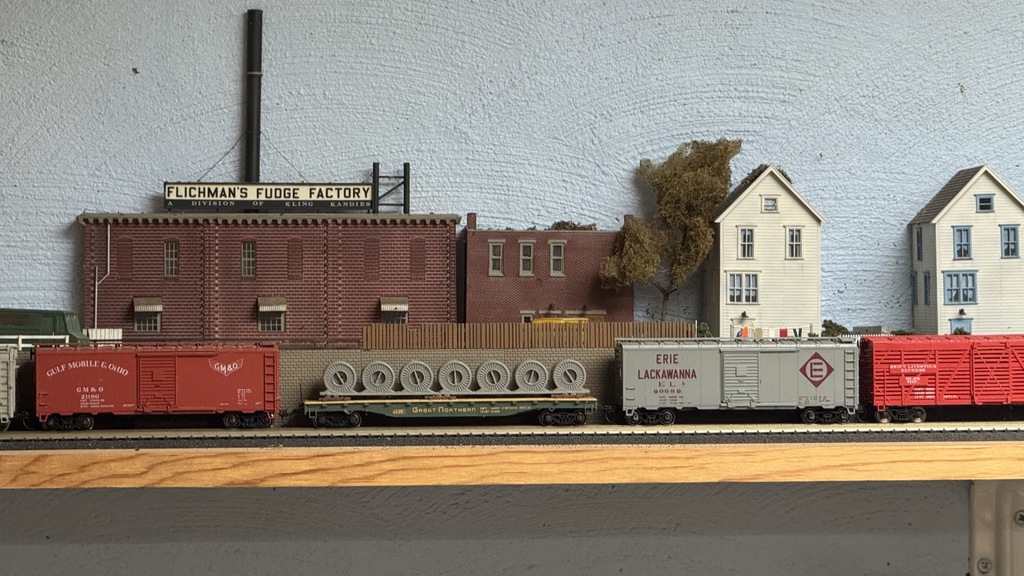
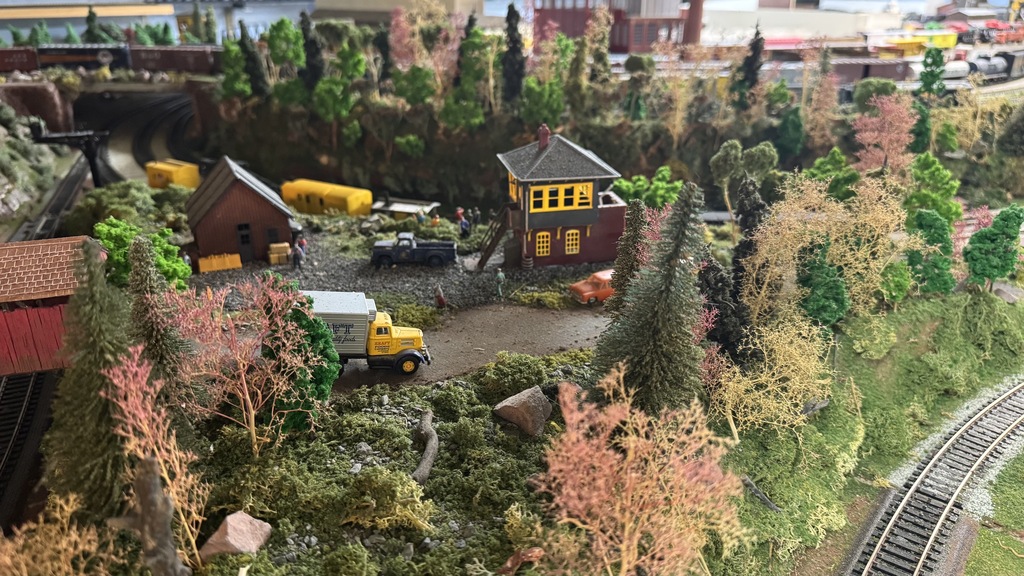
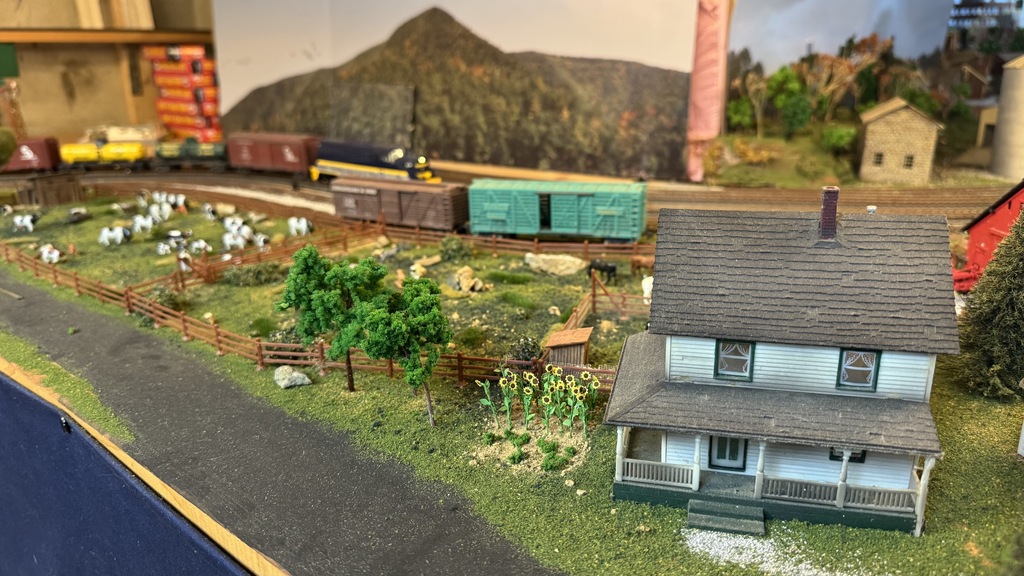
Long coal drags wind through steep mountain grades, crossing towering steel bridges and passing small mining communities nestled in narrow valleys. Mixed freight trains deliver supplies to local industries, while passenger trains still provide service to isolated towns scattered throughout the mountains.
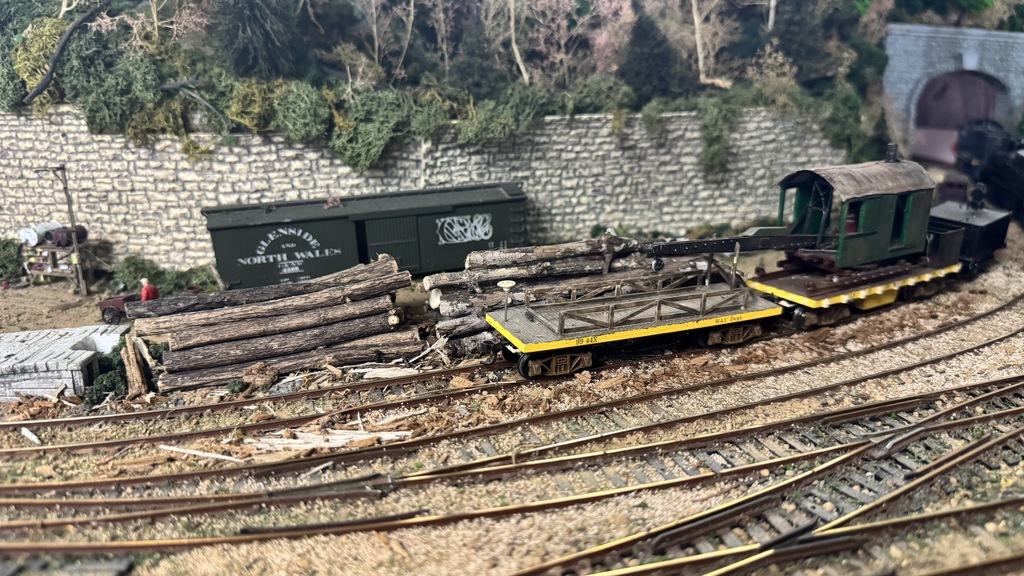
The centerpiece of the layout is the mountain district south of Grafton. Here, trains climb through dense forests, curve around rocky cliffs, and disappear into tunnels carved through hand-crafted scenery. Operators must carefully manage train movements as heavy coal trains struggle uphill while helper locomotives assist trains over the ruling grades.
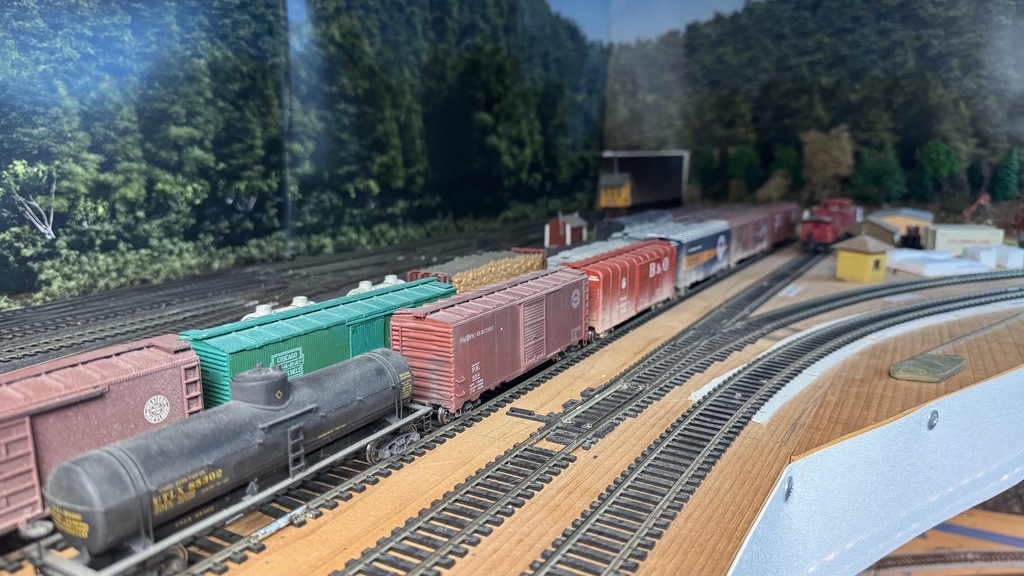
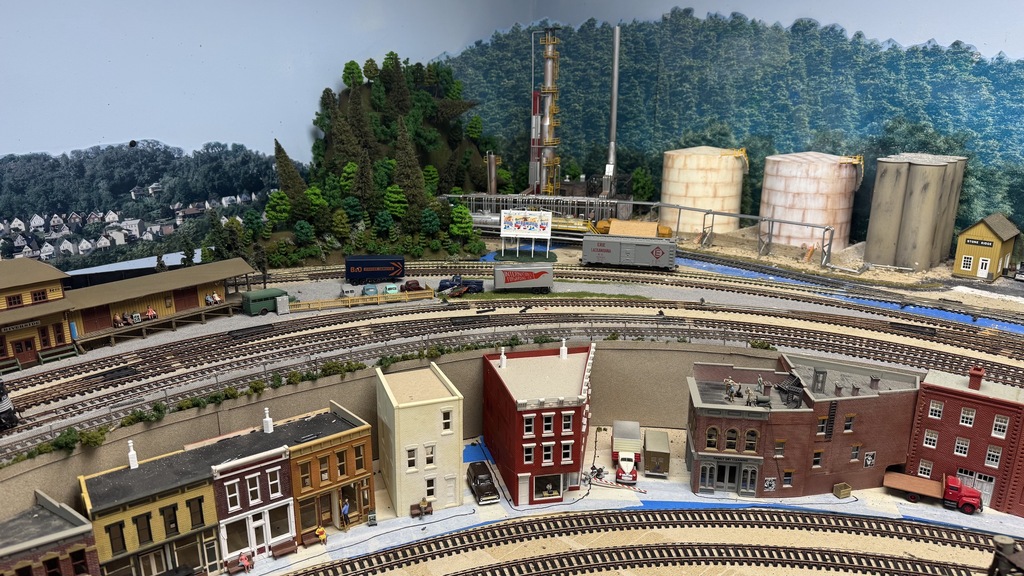
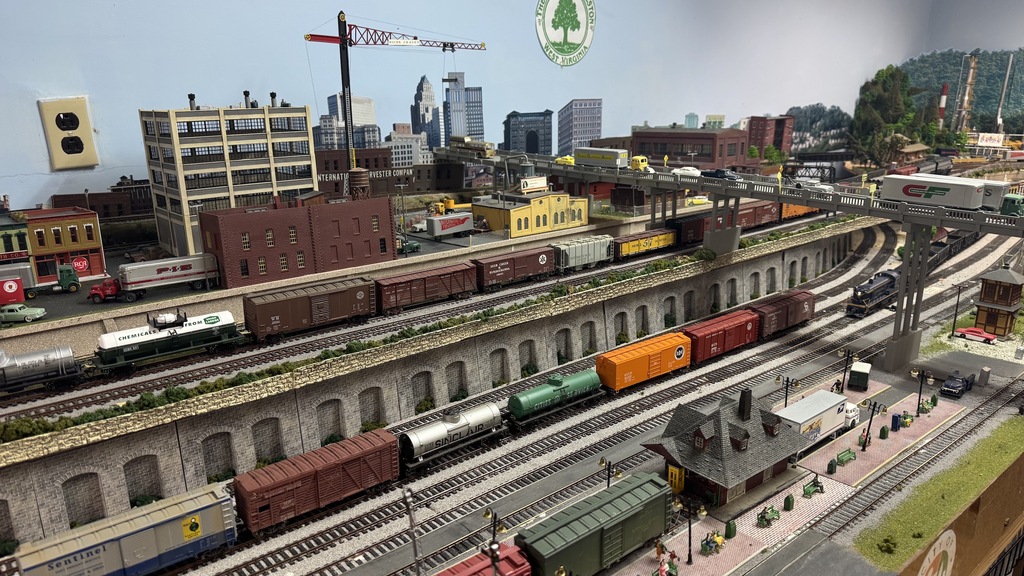
Farther south, the line reaches Slack Street Yard in Charleston, West Virginia, where a bustling interchange yard allows traffic to be exchanged with connecting railroads such as the New York Central and Chesapeake & Ohio.
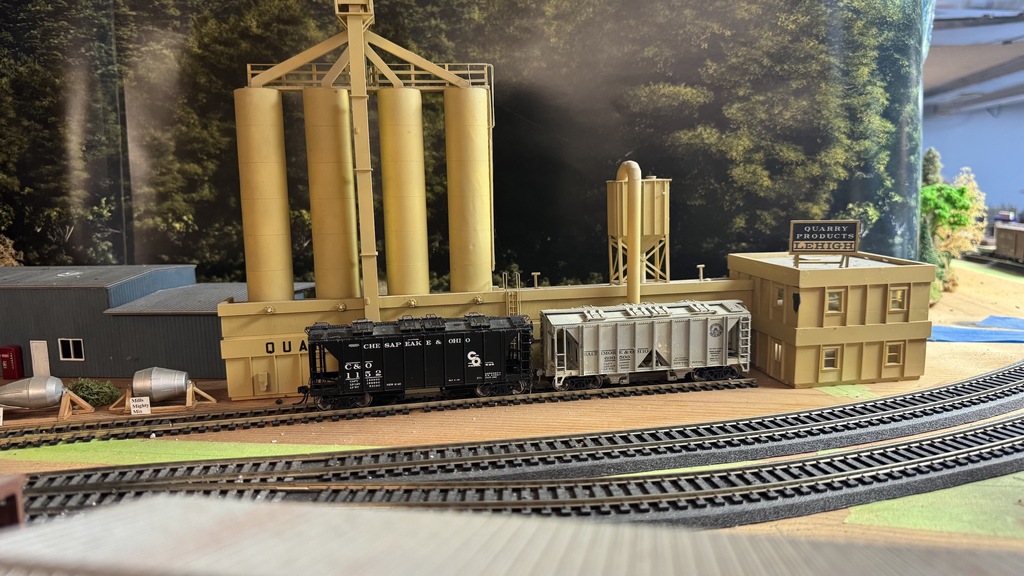
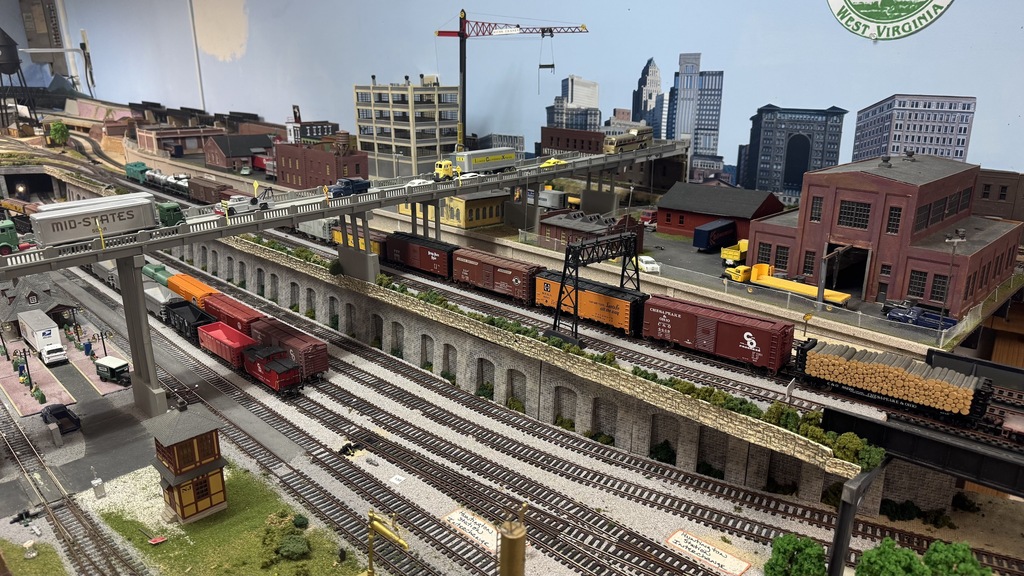
From there, selected trains continue west via the Chesapeake & Ohio route toward Huntington, West Virginia. This section features broad river valleys, busy classification yards, and a large coal-loading facility that reflects the economic importance of rail transportation in the region.
Over two decades, the West Virginia Mountain Branch Model Railroad has evolved from a simple track plan into an immersive transportation system.
The railroad utilizes Digitrax Digital Command Control and is divided into 24 power districts to keep trains running smoothly during operating sessions with the Harford Associates for Railroad Modeling (HARM).
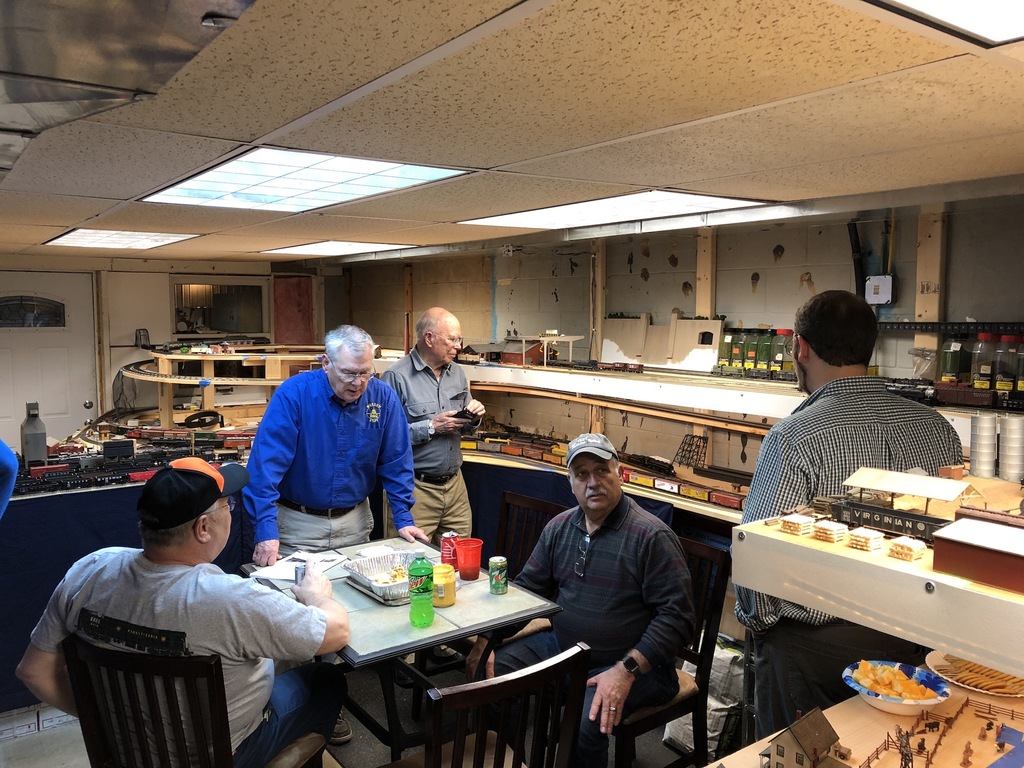
Every town, bridge, and locomotive tells part of a larger story—a story of hardworking railroaders, Appalachian communities, and the railroads that helped shape the mountains of West Virginia.