Choosing Your Scale: Exploring the Many Sizes of Model Railroading
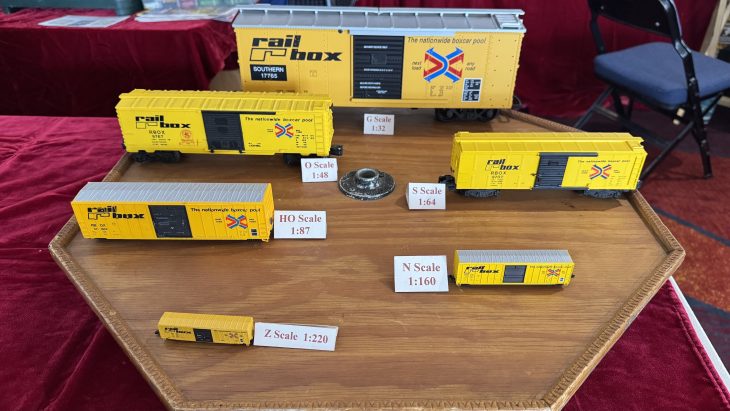
One of the first decisions a model railroader makes is what scale to model. Walk into a hobby shop, attend a train show, or visit several layouts and you will quickly discover that model trains come in a surprising variety of sizes. From large trains that can run through the garden to tiny models capable of fitting an entire railroad into a small room, there is a scale for almost every interest and available space.
In model railroading, scale describes the relationship between the size of the model and the full-size prototype. For example, an HO scale model is approximately 1/87 the size of the real locomotive, freight car, building, or other object it represents. Gauge, on the other hand, refers to the distance between the rails. Although the terms are sometimes used interchangeably in casual conversation, they describe two different things.
There really isn’t a “best” scale. Each has advantages and disadvantages, and the right choice depends on the space you have available, the type of railroad you want to build, your modeling interests, and simply what appeals to you.
G Scale — Big Trains and the Great Outdoors
Typical scale: Approximately 1:22.5 to 1:32, depending on the manufacturer and prototype
Track gauge: 45 mm
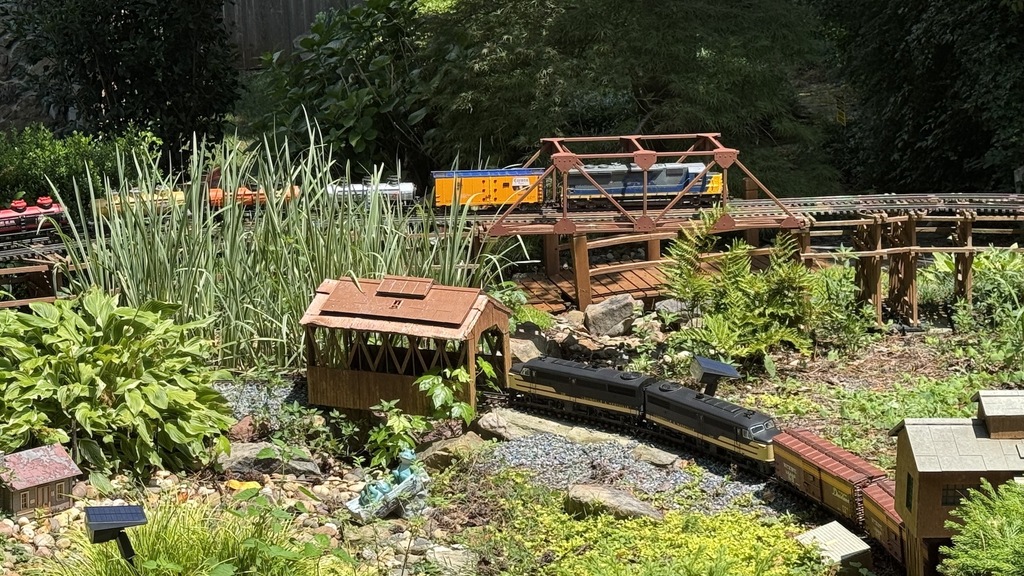
G scale is most commonly associated with garden railroading. These large models have an impressive presence and can be operated indoors or outdoors. The term G scale actually encompasses several modeling scales that commonly use the same 45 mm track gauge.
The size allows manufacturers and modelers to incorporate an impressive amount of detail. Locomotives can feature sophisticated sound systems, smoke effects, lighting, and other features that are particularly noticeable on models this large.
Pros
- Large models are easy to see and handle.
- Excellent opportunities for highly detailed locomotives and rolling stock.
- Can be operated outdoors as a garden railroad.
- Sound, lighting, and other effects can be especially impressive.
- Great for people who enjoy combining landscaping and gardening with model railroading.
Cons
- Requires considerably more space than smaller scales.
- Locomotives, rolling stock, track, and structures can be expensive.
- Indoor layouts require very large curves and considerable floor space.
- Outdoor layouts require regular maintenance due to weather, vegetation, and debris.
- There are fewer products available compared with HO and N scales.
O Scale — Impressive Size and Detail
Scale: 1:48 in the United States
Standard-gauge track: Approximately 1¼ inches
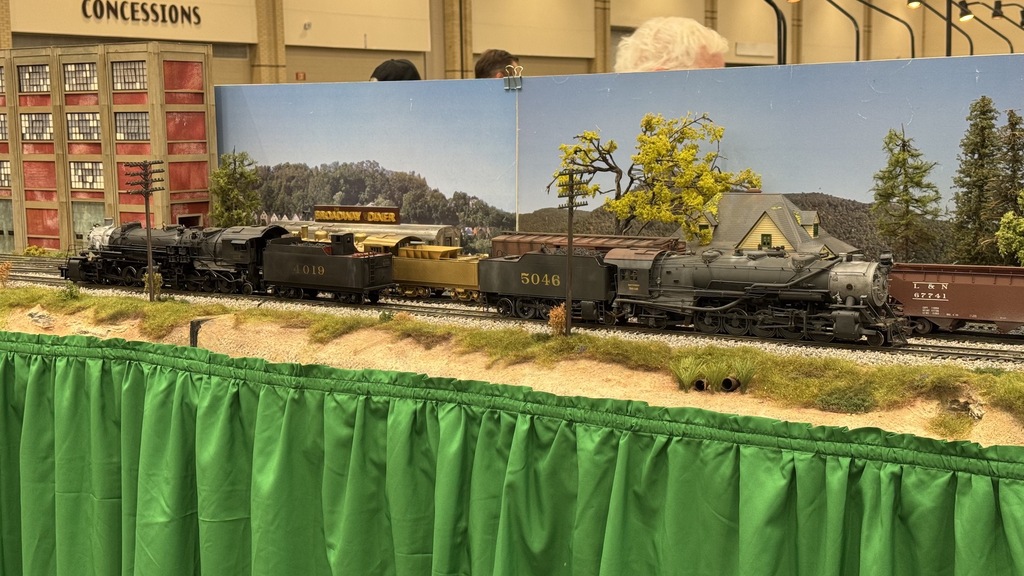
O scale provides a wonderful combination of size, detail, and operating possibilities. At 1:48, models are large enough for details to be easily seen while still being practical for home layouts if sufficient space is available.
There are several approaches to O scale. Some modelers operate highly detailed two-rail O scale layouts that closely reproduce prototype railroad practices. Others enjoy traditional three-rail trains, including the style of equipment that many of us associate with classic toy trains.
Pros
- Excellent level of visible detail.
- Models are relatively easy to handle.
- Excellent potential for sound and other electronic features.
- Large size makes scratchbuilding and super-detailing enjoyable.
- Impressive visual presence.
Cons
- Requires substantial layout space.
- Broad curves can consume a significant portion of a room.
- Equipment and structures can be relatively expensive.
- Fewer products are available than in HO scale.
- Building a large mainline railroad can require considerable space.
S Scale — The Middle Ground
Scale: 1:64
Standard-gauge track: Approximately 7/8 inch
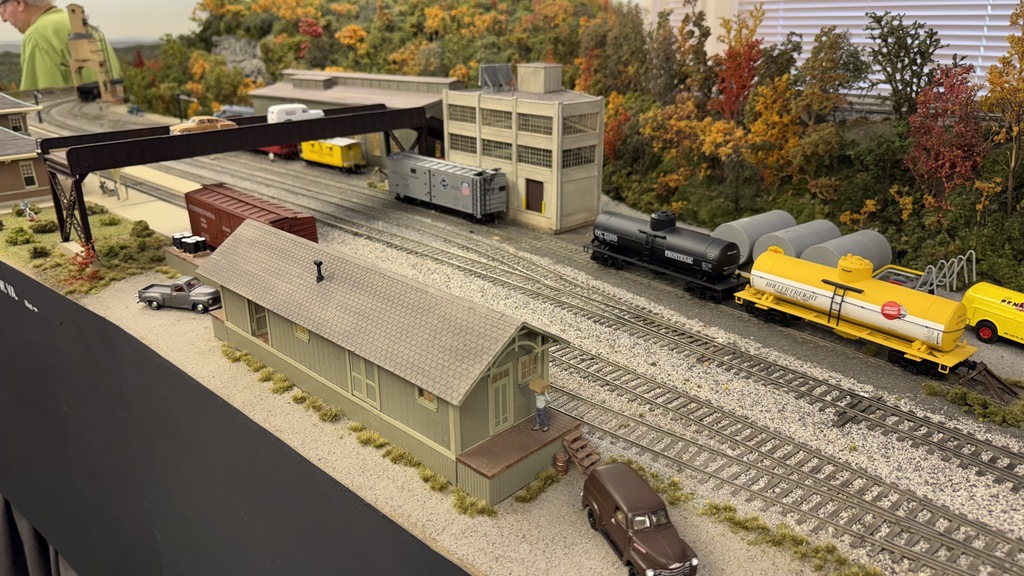
S scale falls between O and HO and offers an interesting compromise between the two. It is large enough to provide excellent detail and easy handling while requiring less space than O scale.
Many people associate S scale with American Flyer trains, but there is also an active community of scale modelers building highly detailed S scale layouts.
Pros
- Excellent balance between size and space requirements.
- Models are large enough to handle easily.
- Good potential for detailing and scratchbuilding.
- Requires less space than O scale.
- Offers something different from the more common scales.
Cons
- Smaller selection of commercially available equipment.
- Fewer structures, vehicles, and accessories are available.
- Equipment can sometimes be more difficult to find.
- Smaller community of modelers compared with HO, N, or O.
- Building a specific prototype may require more kitbashing or scratchbuilding.
HO Scale — The Most Popular Choice
Scale: 1:87.1
Track gauge: 16.5 mm
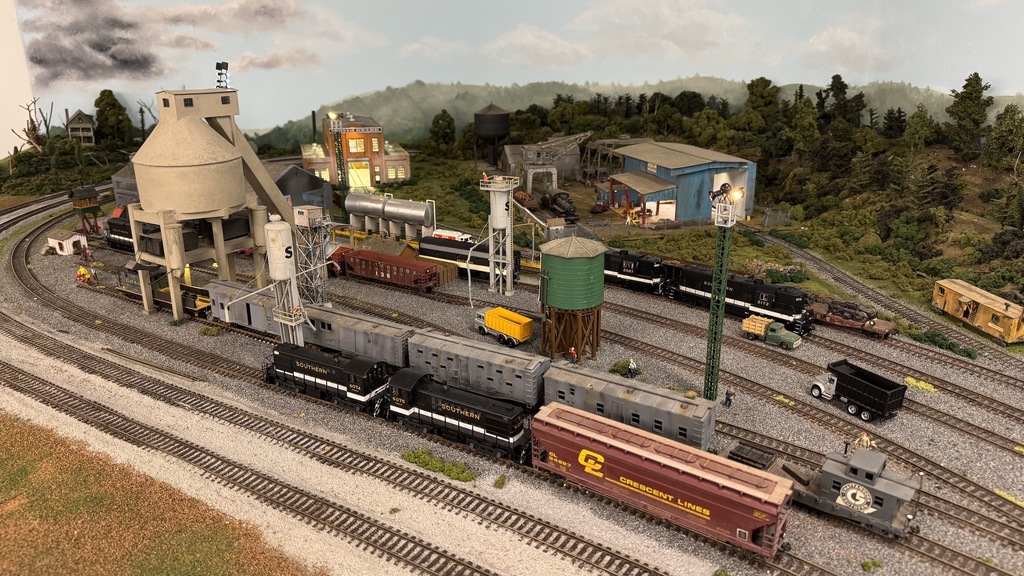
HO scale has long been one of the most popular model railroad scales in North America. The name comes from “Half O,” reflecting its origins as a smaller alternative to O scale.
Its popularity creates one of HO’s greatest advantages: selection. Modelers can choose from an enormous variety of locomotives, freight cars, passenger equipment, structures, vehicles, figures, track, scenery products, and accessories.
HO is large enough to display considerable detail but small enough that a substantial railroad can be built in a basement or spare room.
Pros
- Huge selection of locomotives, rolling stock, structures, and accessories.
- Excellent balance between detail and space requirements.
- Large community of modelers.
- Equipment is available covering many prototypes and historical eras.
- Excellent choice for operations-oriented layouts.
- Replacement parts and modeling information are generally easy to find.
Cons
- Still requires significant space for broad curves and long trains.
- A large mainline railroad may require a basement-sized space.
- More detailed models can become expensive.
- Long passenger cars and modern locomotives often look best on larger-radius curves.
- Less railroad can fit into the same space compared with N or Z scale.
N Scale — More Railroad in Less Space
Scale: 1:160 in North America
Track gauge: 9 mm
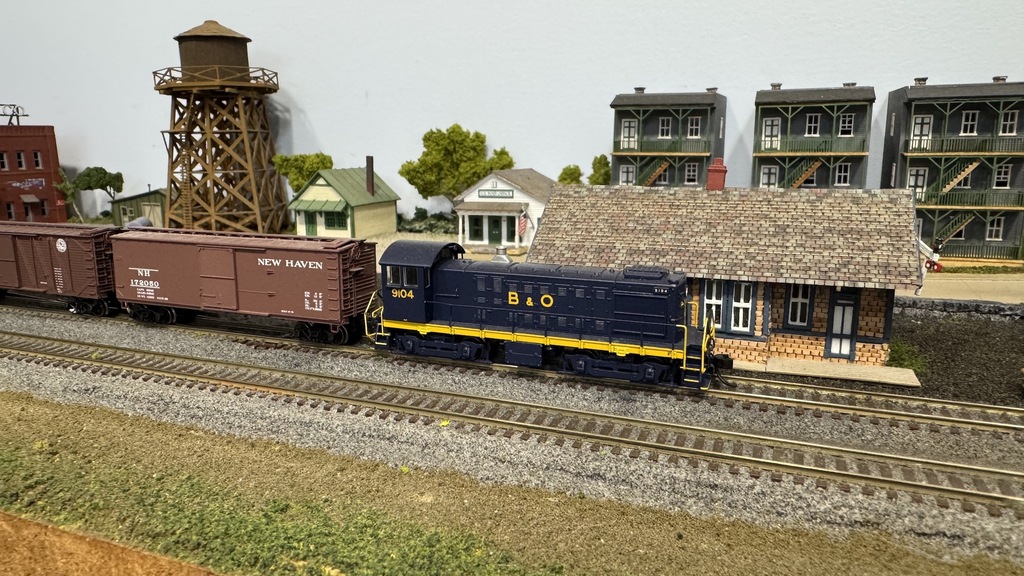
N scale has become extremely popular among modelers who want to create a larger railroad in a limited amount of space. At roughly half the linear dimensions of HO, N scale allows longer trains, broader scenery, and greater distances between towns without requiring an enormous room.
N scale is particularly well suited for modelers interested in mainline operations, where long trains traveling through expansive scenery can create the impression of a much larger railroad.
Modern N scale locomotives and rolling stock can also feature an impressive amount of detail despite their small size.
Pros
- Allows considerably more railroad in the same space than HO.
- Excellent for long trains and mainline operations.
- Larger scenery-to-train ratio can create a realistic sense of distance.
- A substantial railroad can fit into a relatively modest room.
- Large selection of locomotives, rolling stock, structures, and accessories.
- Well suited for portable and modular layouts.
Cons
- Small parts can be more difficult to handle.
- Fine details can be harder to see.
- Installing decoders and making repairs may require more precision.
- Lightweight cars can sometimes be more sensitive to track imperfections.
- HO generally offers a larger overall selection of products.
Z Scale — A Railroad Almost Anywhere
Scale: 1:220
Track gauge: 6.5 mm
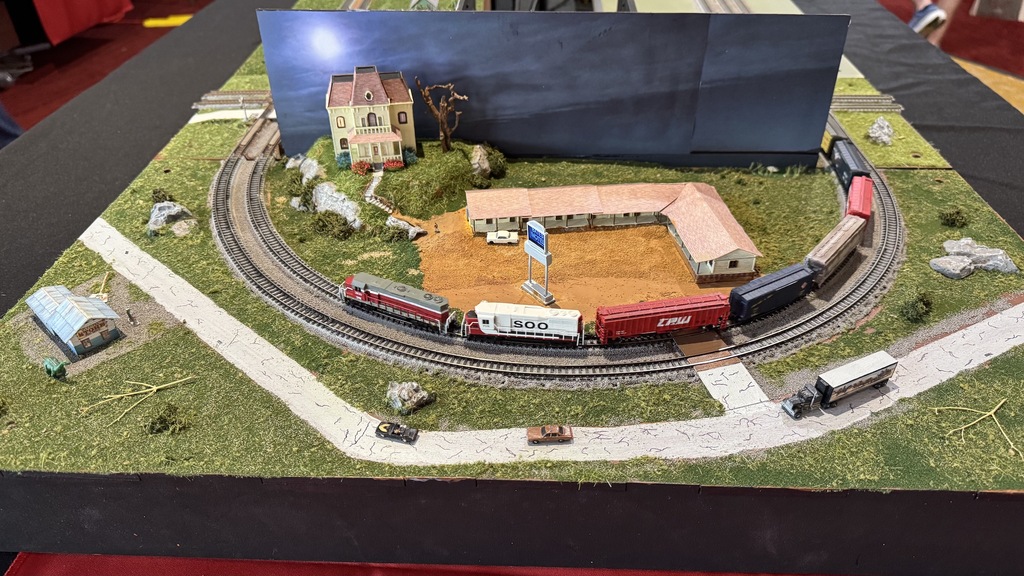
Introduced commercially in the early 1970s, Z scale is one of the smallest widely established model railroad scales. Its tiny size makes it possible to build a complete railroad where larger scales simply wouldn’t fit.
A Z scale layout can fit on a small table or shelf. In a larger space, Z scale can produce dramatic scenery, long trains, and an impressive feeling of distance between locations.
Pros
- Requires very little space.
- Complete layouts can be extremely compact.
- Excellent for creating expansive scenery.
- Long trains can operate in relatively small areas.
- Offers unique opportunities for portable layouts.
Cons
- Very small models can be difficult to handle.
- Maintenance and repairs require considerable precision.
- Smaller selection of equipment than HO or N.
- Fine details may be difficult to see.
- Small locomotives and rolling stock demand particularly good trackwork.
What About Gauge?
While scale describes the size of our models, gauge describes the distance between the rails. Most major North American railroads use standard gauge, which is 4 feet, 8½ inches between the rails.
Not every prototype railroad was standard gauge, however. Many logging, mining, industrial, and short-line railroads used narrow gauge. Common examples included 3-foot, 30-inch, and 2-foot gauge.
Model railroaders can reproduce these railroads while still modeling in one of the familiar scales. Some common examples include:
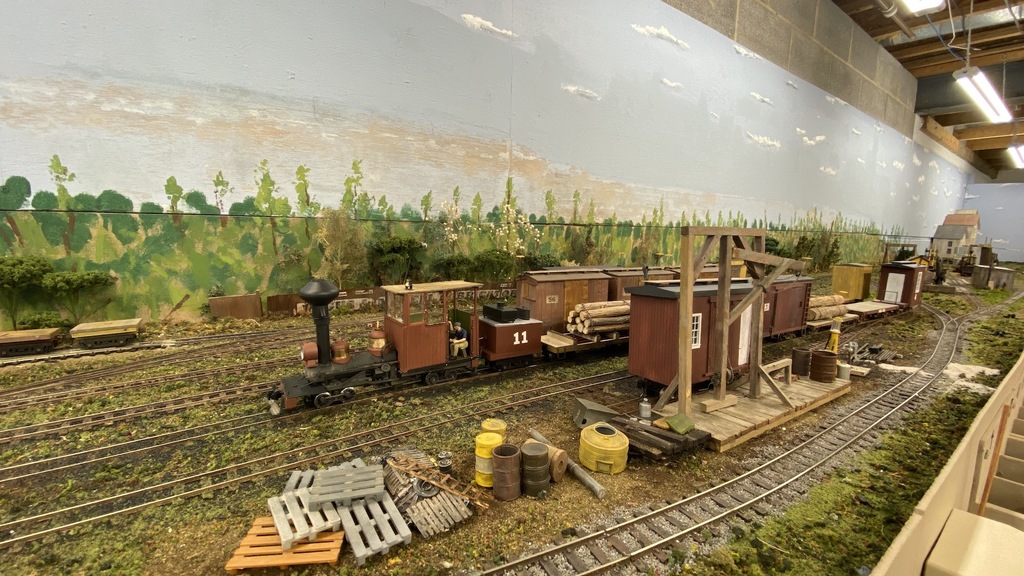
- HOn3 — HO scale representing 3-foot-gauge track.
- HOn30 — HO scale representing approximately 30-inch-gauge track.
- On3 — O scale representing 3-foot gauge.
- On30 — O scale representing approximately 30-inch gauge.
- Sn3 — S scale representing 3-foot gauge.
- Nn3 — N scale representing 3-foot gauge.
This is an important distinction: two model railroads can be the same scale but represent different track gauges. The locomotives, people, buildings, and scenery remain the same scale; the distance between the rails changes to represent the prototype.
Narrow-gauge modeling can be especially attractive to those interested in small steam locomotives, short trains, logging and mining operations, or railroads that traveled through rugged terrain. It also provides another example of just how many different directions a modeler can take within the hobby.
Smaller Layout Doesn’t Always Mean Smaller Scale
One common assumption is that someone with limited space automatically needs to choose N or Z scale. That isn’t necessarily true.
A modeler interested primarily in switching operations might build an excellent HO or O scale shelf layout along one wall. Instead of trying to represent an entire railroad, the layout could focus on a single yard, town, industrial district, or branch-line terminal.
Conversely, someone with an entire basement might choose N scale specifically because it allows long mainline runs, sweeping curves, large yards, and greater distances between towns.
The important question isn’t simply “How much space do I have?” It is also “What do I want my trains to do?”
Other Factors to Consider
Before selecting a scale, think about the type of model railroading that interests you most.
If you enjoy building highly detailed models and working with individual parts, a larger scale may be appealing. If your goal is watching long trains travel through expansive scenery, N or Z may be a better fit. If operations and switching are your primary interests, virtually any scale can work—the design of the railroad may matter more than its size.
Availability is another consideration. HO and N generally provide the widest range of commercially produced equipment, while less common scales may require additional searching, kitbashing, or scratchbuilding.
You should also consider what other model railroaders in your area use. If you plan to participate in a modular group or regularly operate with friends, choosing a compatible scale can open additional opportunities to enjoy the hobby.
See the Scales for Yourself
One of the best ways to decide which scale appeals to you is to see several of them in person.
Train shows, model railroad clubs, layout open houses, and NMRA events provide excellent opportunities to compare scales side by side. Look closely at the models, but also pay attention to the railroad surrounding them. How long are the trains? How much scenery separates towns? How easy is it to see and handle the equipment? What type of operations does the layout support?
Better yet, talk with the modelers. Ask why they chose their particular scale and what they like—or don’t like—about it.
Members of the Chesapeake Division model in a variety of scales and represent many different prototypes, eras, and approaches to the hobby. That diversity is one of model railroading’s strengths. There is no requirement that everyone approach the hobby in the same way.
The Best Scale Is the One You Enjoy
Arguments about the “best” model railroad scale have probably existed almost as long as model trains themselves. In reality, every scale involves compromises.
Larger scales provide impressive detail and presence but require more room. Smaller scales allow more railroad and scenery in the same space but involve smaller models and components. Popular scales provide enormous product selections, while less common scales can offer unique modeling opportunities.
Fortunately, you don’t necessarily have to choose only one. Plenty of model railroaders have a primary layout in one scale while collecting equipment, building modules, or participating in operating sessions in another.
Ultimately, the best scale is simple: the one that allows you to build, operate, and enjoy the kind of model railroad that interests you.