Division Layout – John Zdanis’ York Central Eastern Division
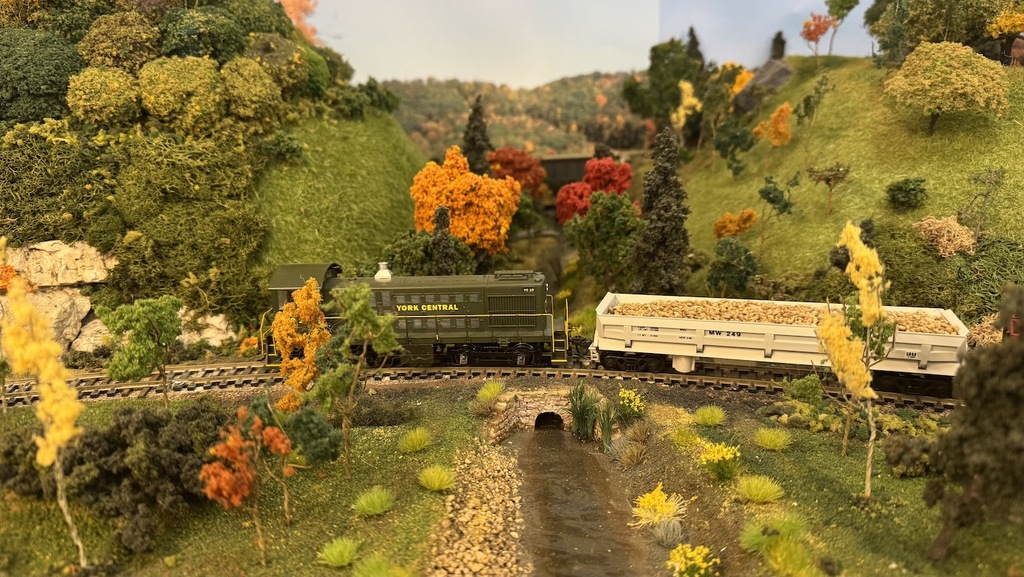
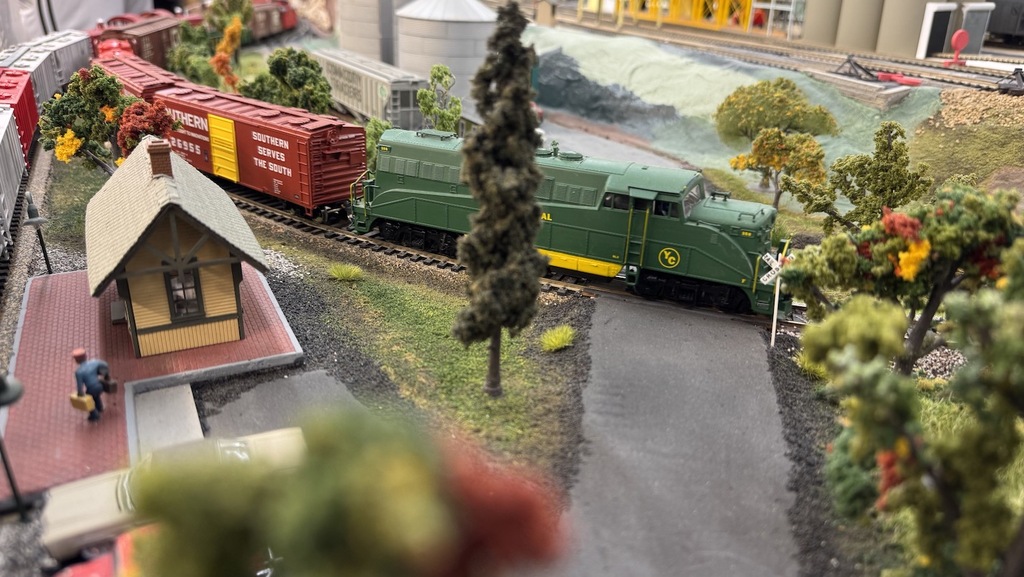
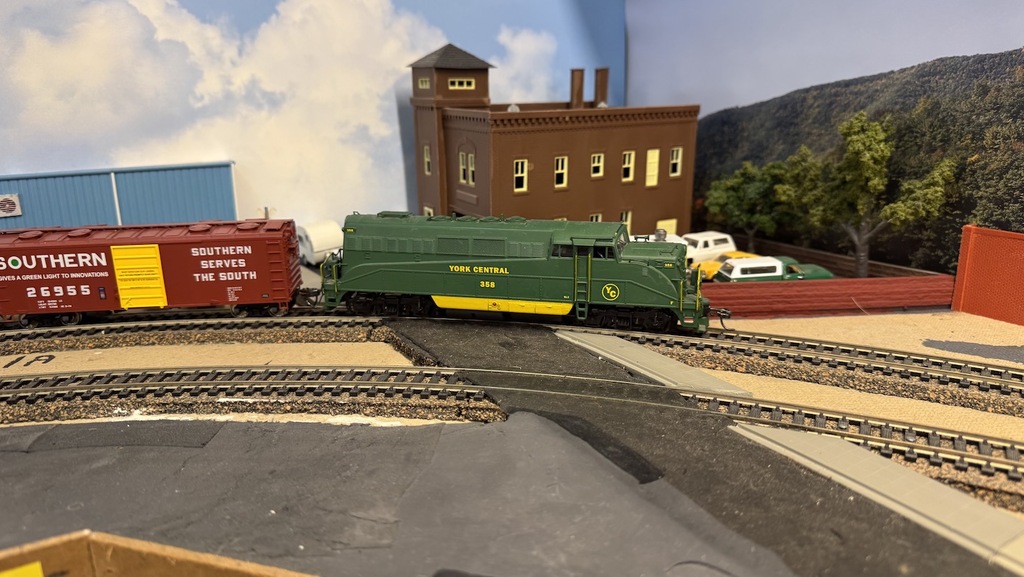
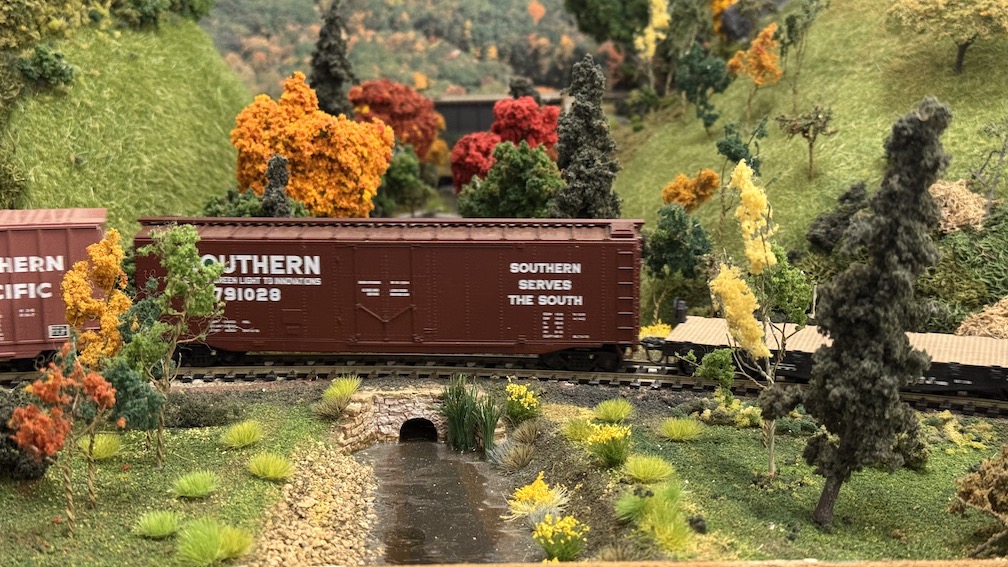
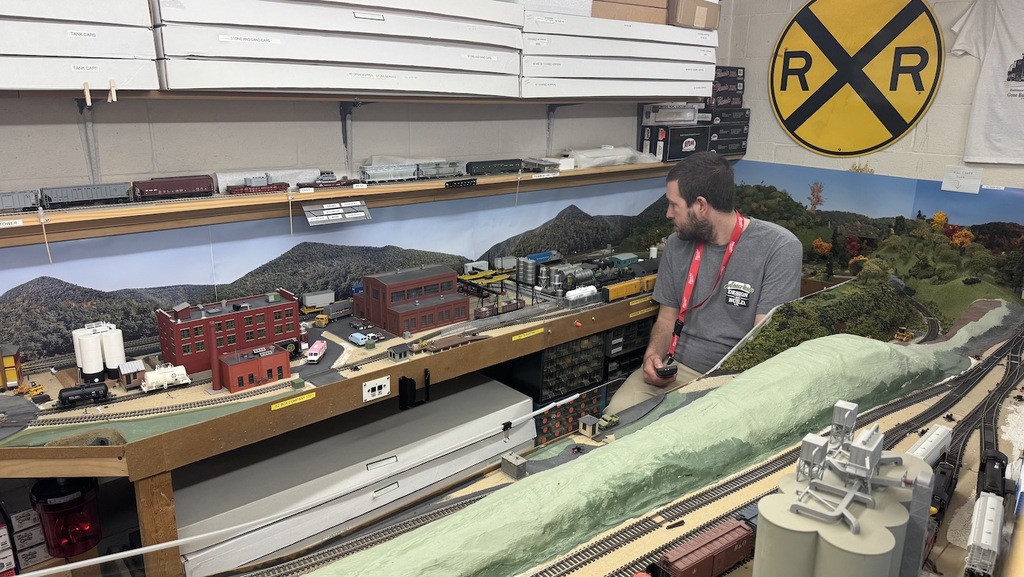
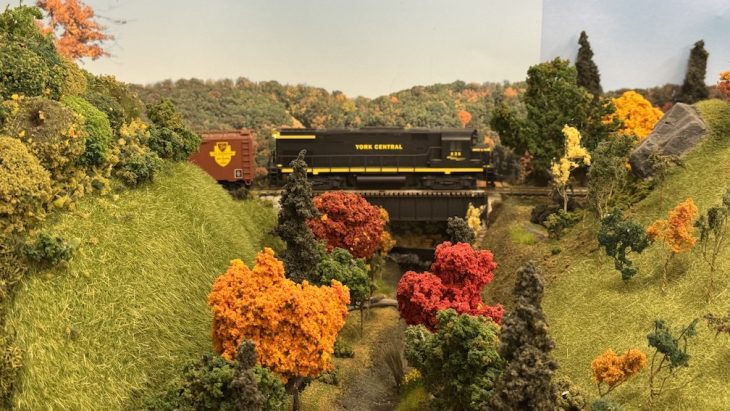
Step back in time to 1975–1976, just before the formation of Conrail, and experience railroading in northeastern Pennsylvania on John Zdanis’ York Central Railroad (YC), Eastern Division. This HO scale freelance model railroad captures the character of the region’s railroads during the final years before consolidation, with an emphasis on local freight operations, industrial switching, and the cement industry that played an important role in the region’s economy.
A Railroad Built for Operations
The York Central is designed around realistic freight operations, providing plenty of opportunities for crews to move cars, serve industries, and keep freight moving. The railroad features three primary areas for local switching: Allentown, Bethlehem, and Warwick. Each offers its own operating challenges and industries to serve.
- Allentown: Features team tracks where a variety of freight can be loaded and unloaded, providing flexible switching opportunities.
- Bethlehem: Includes four industries requiring regular freight service: EZ Box, Watts Electric, Kopper, and Easton Food.
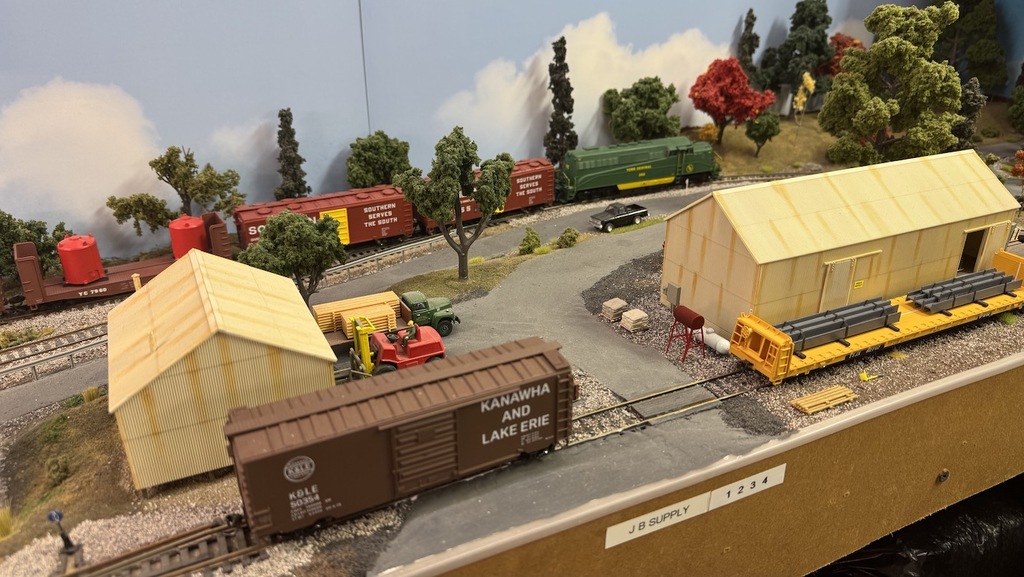
- Warwick: Features three additional customers: JC Coop, JB Supply, and Short Propane.
Local freight trains originate at Easton Yard and travel to their assigned areas to perform switching duties. Crews must organize their trains, deliver incoming freight cars, collect outbound cars, and return to the yard when their work is complete.
Erie Cement: The Railroad’s Major Industry
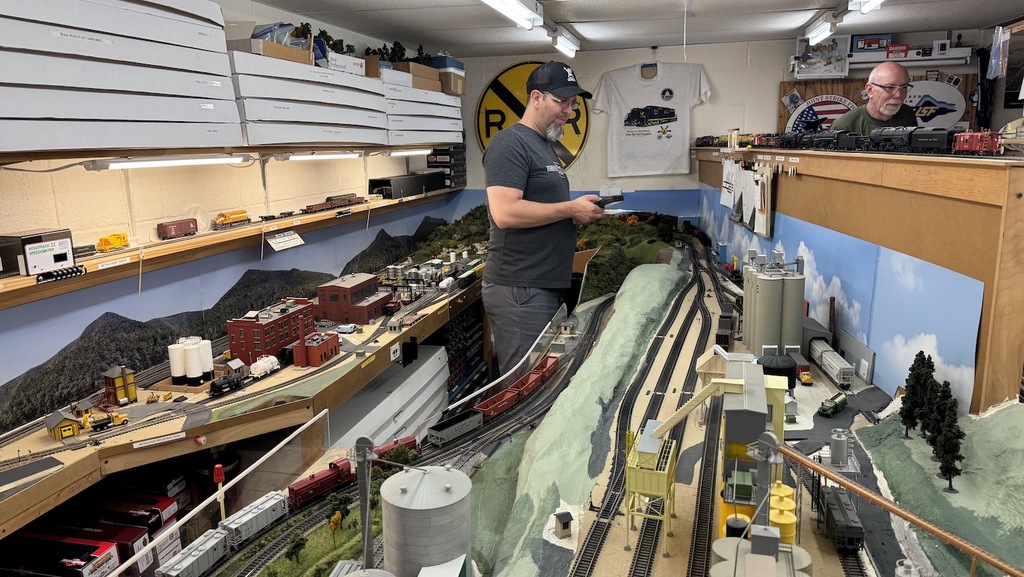
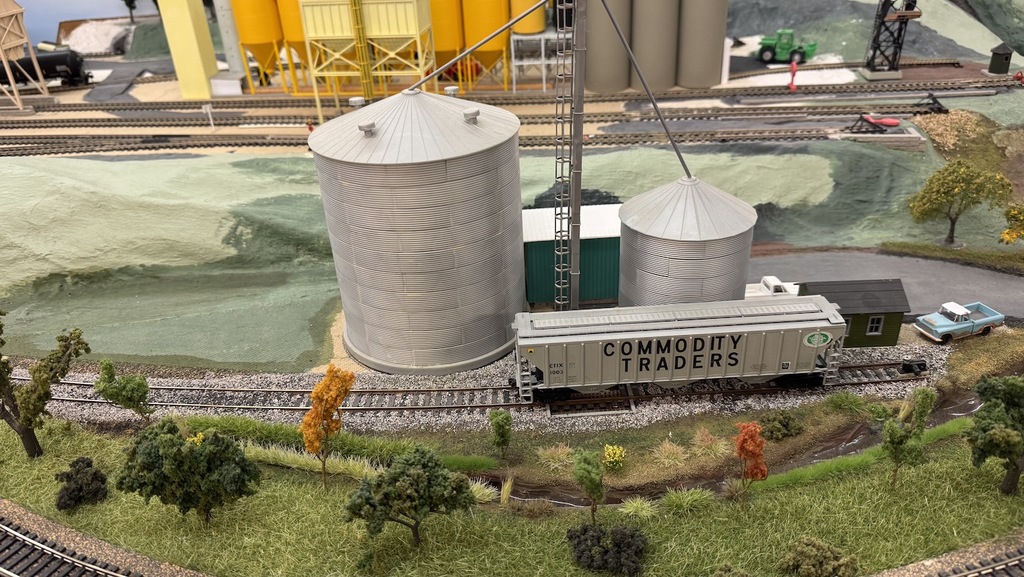
One of the highlights of the York Central is the Erie Cement Plant, modeled after the cement-producing facilities found throughout northeastern Pennsylvania.
The cement plant is a major source of freight traffic and provides an operating job of its own. Incoming trains deliver cars to the plant area, where a dedicated plant switching crew takes over. That crew is responsible for sorting and moving cars to the many loading and unloading spots throughout the facility.
With enough switching activity to keep a crew busy for two train movements, the cement plant adds another dimension to operating sessions. Rather than simply spotting a few cars at an industry, operators must coordinate numerous car movements within a large industrial complex.
Easton Yard and Railroad Connections
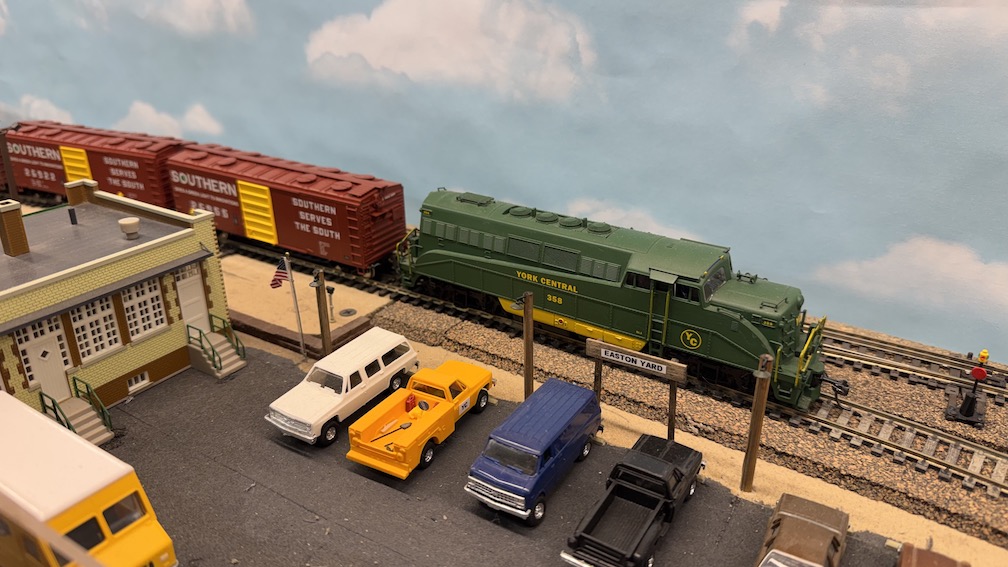
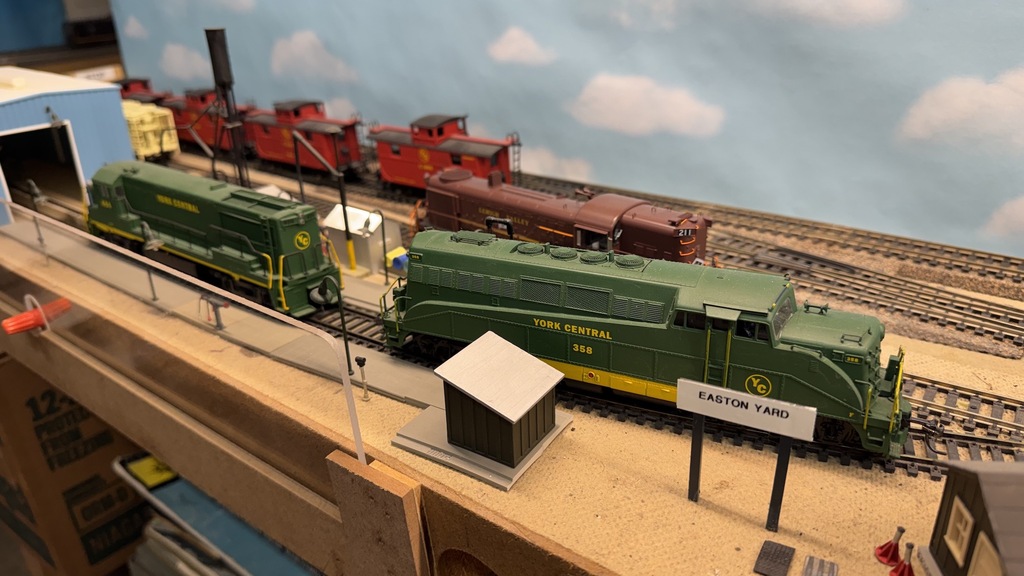
Easton Yard serves as the operational hub of the York Central. The yard features three tracks along with a small locomotive and caboose servicing area. From here, local trains are assembled, dispatched to their destinations, and received upon their return.
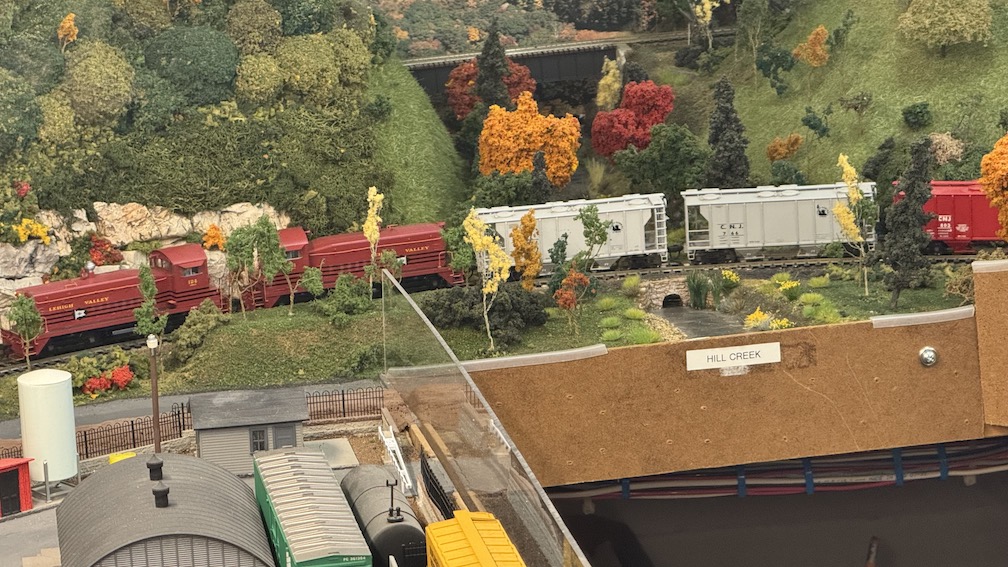
While local trains operate using York Central locomotives, the layout also represents connections with several of the region’s well-known railroads. Incoming trains include equipment from the Central Railroad of New Jersey (CNJ), Reading Railroad (RDG), Baltimore & Ohio (B&O), and Lehigh Valley (LV).
These railroad connections help establish the York Central’s setting in the mid-1970s and provide a variety of freight equipment and operating possibilities.
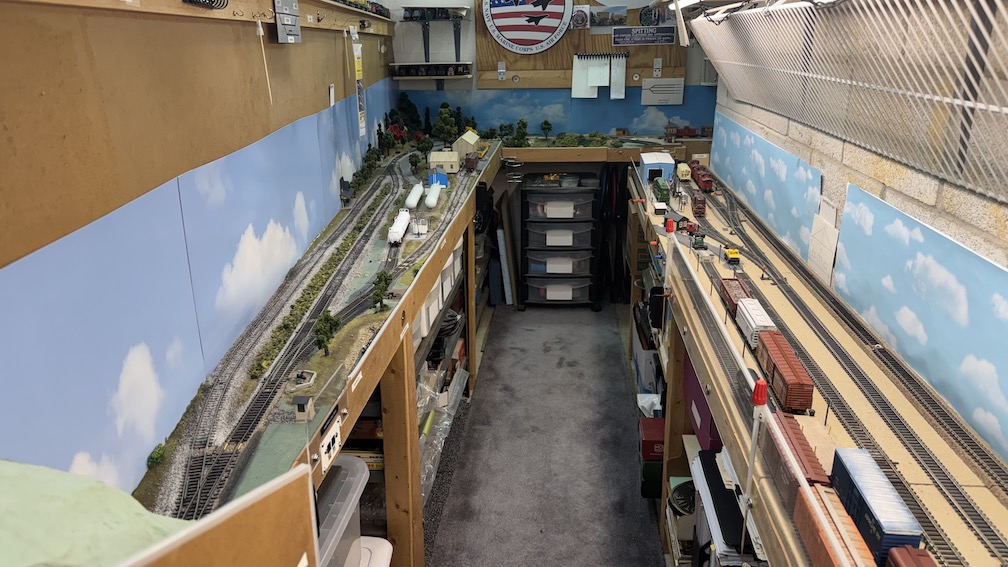
A four-track staging area representing New Jersey supports these connections, allowing trains to enter and leave the modeled portion of the railroad. This creates the impression of a much larger railroad network beyond the visible layout.
Because of the layout’s relatively small size, John makes creative use of off-layout storage to expand its operating possibilities. Much of his rolling stock is kept in storage boxes, with equipment moved on and off the layout as needed during operating sessions. This allows John to introduce additional freight cars and train movements without requiring more track or staging space, demonstrating how thoughtful planning can make a compact layout operate like a much larger railroad.
Capturing the Pre-Conrail Era
The 1975–1976 setting is an important part of the York Central’s identity. This was a period of significant change for railroads in the northeastern United States, as many financially troubled carriers approached the consolidation that would create Conrail in April 1976.
By modeling this transitional period, John can feature equipment and operations associated with several historic railroads while recreating the industrial character of northeastern Pennsylvania.
A Railroad That Keeps Operators Busy
The York Central demonstrates how a model railroad can be designed around the enjoyment of realistic operations. Between the three local switching districts, Easton Yard, interchange traffic, and the extensive switching requirements of Erie Cement, there is plenty of work to keep multiple operators engaged.
John Zdanis has created a railroad where every freight car has a destination and every train has a purpose. Whether working a local freight, organizing cars in Easton Yard, or handling the busy cement plant, operators have the opportunity to experience the challenges and rewards of railroading in northeastern Pennsylvania during the final years before Conrail.
The York Central is a great example of how a freelance railroad can combine prototype inspiration, regional railroad history, and purposeful operations to create an engaging model railroading experience.