Division Layout – Ken Poznaniak’s Chesapeake, Susquehanna, and Western
The radio crackles to life as a train crew calls the dispatcher for permission to proceed. A MARC commuter train glides through the interlocking while a long freight waits patiently in a siding for its signal to clear. Across the room, operators monitor their trains as signal aspects change and traffic flows across the railroad. Behind the scenes, the dispatcher uses a computer screen to manage movements throughout the system, coordinating freight and passenger operations across dozens of feet of mainline. For a moment, it is easy to forget that this railroad exists in a basement and not somewhere along the busy rail corridors of the Mid-Atlantic.
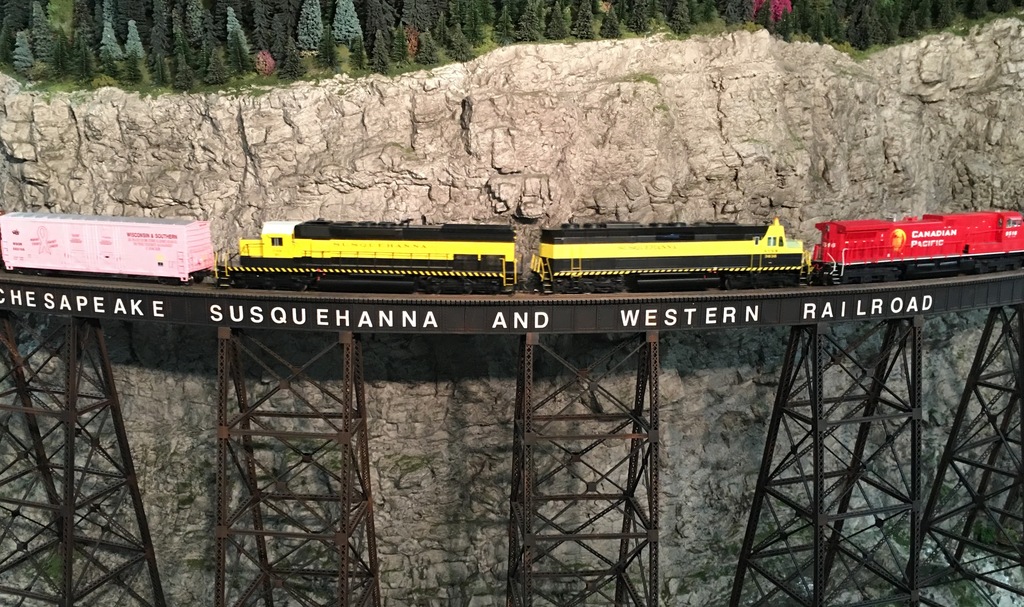
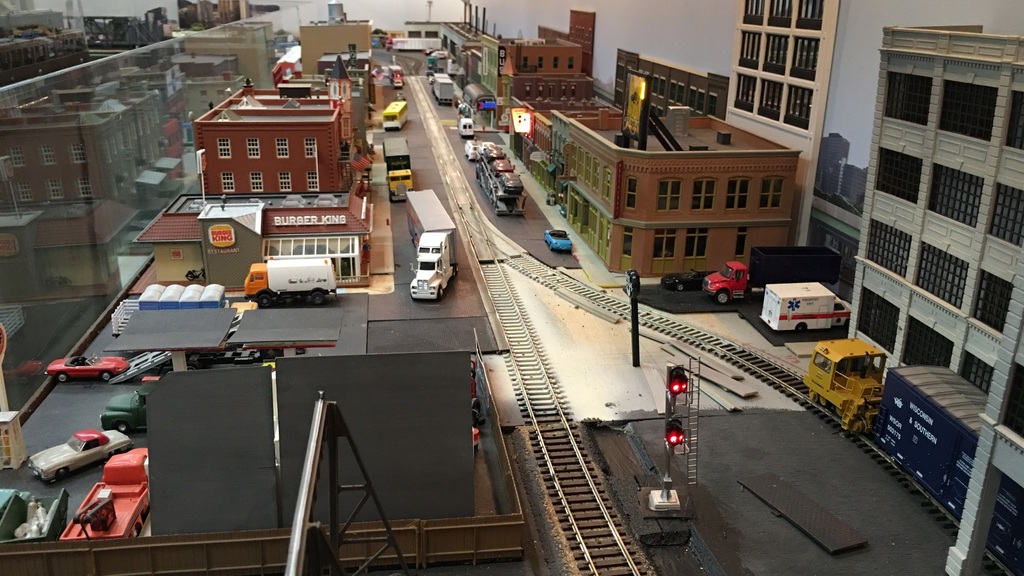
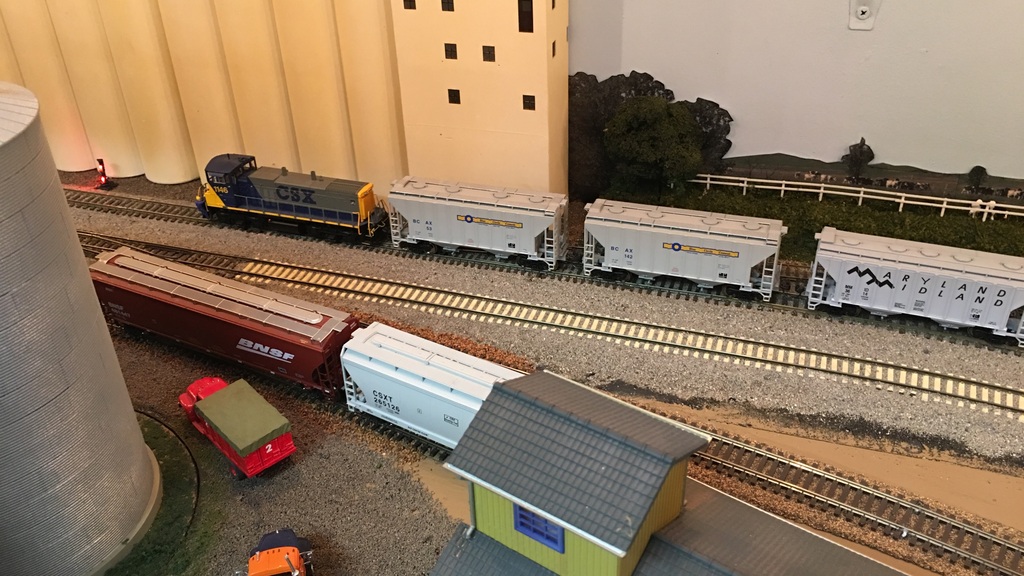
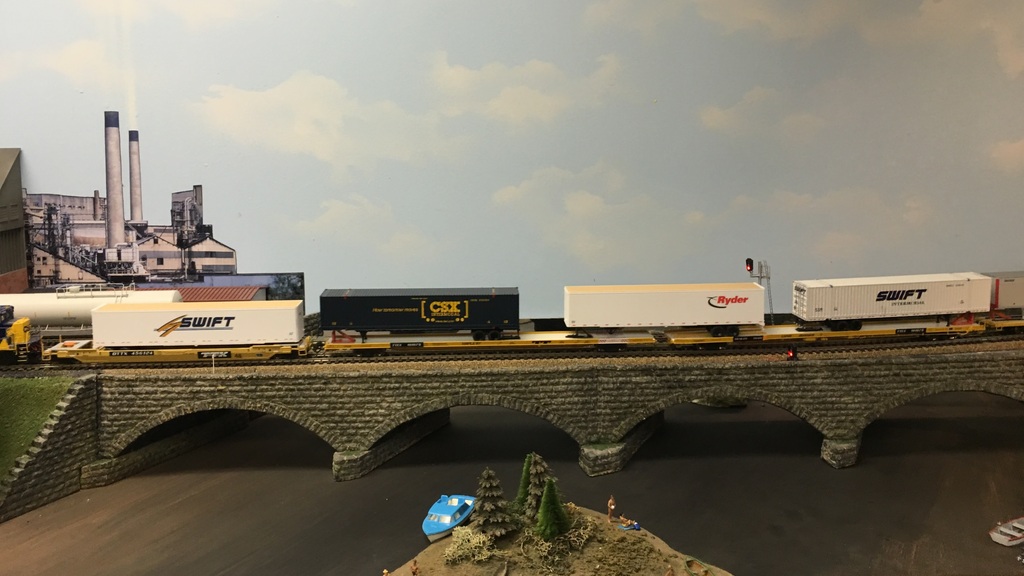
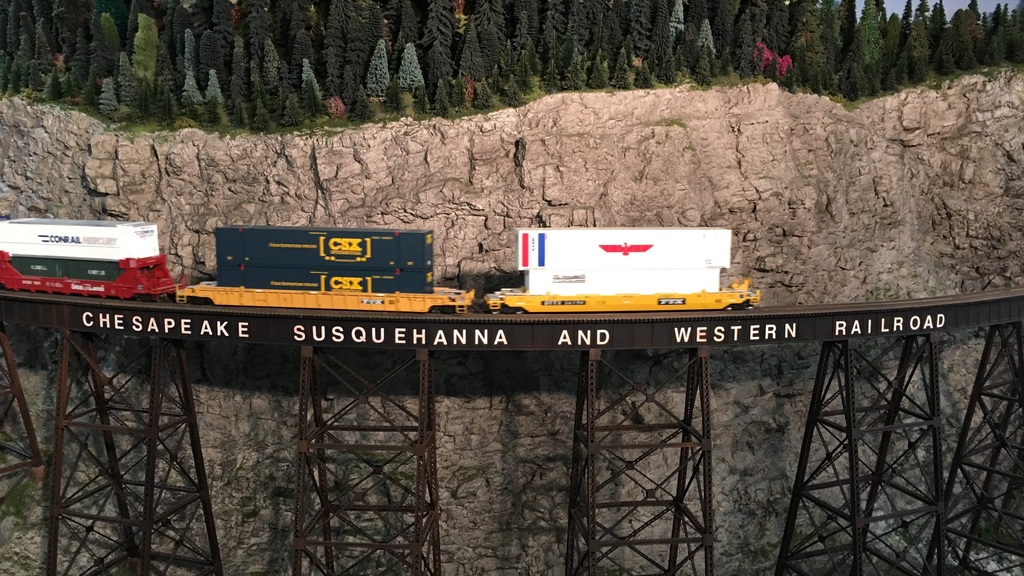
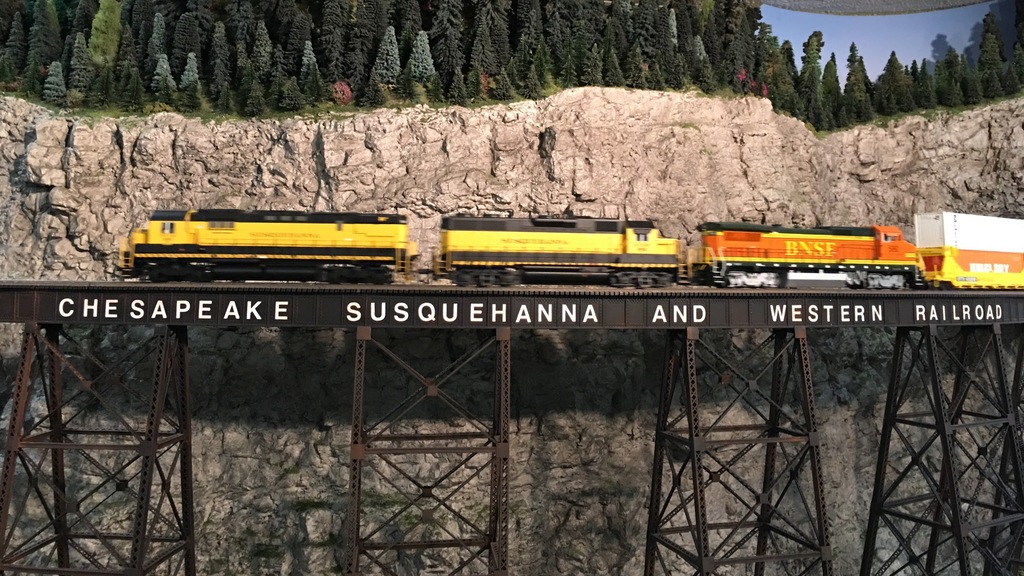
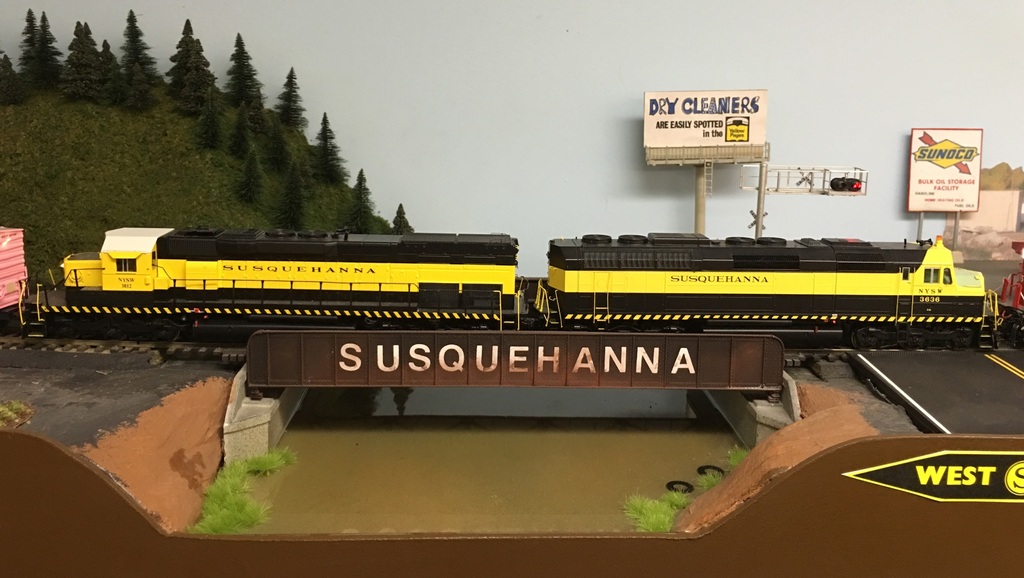
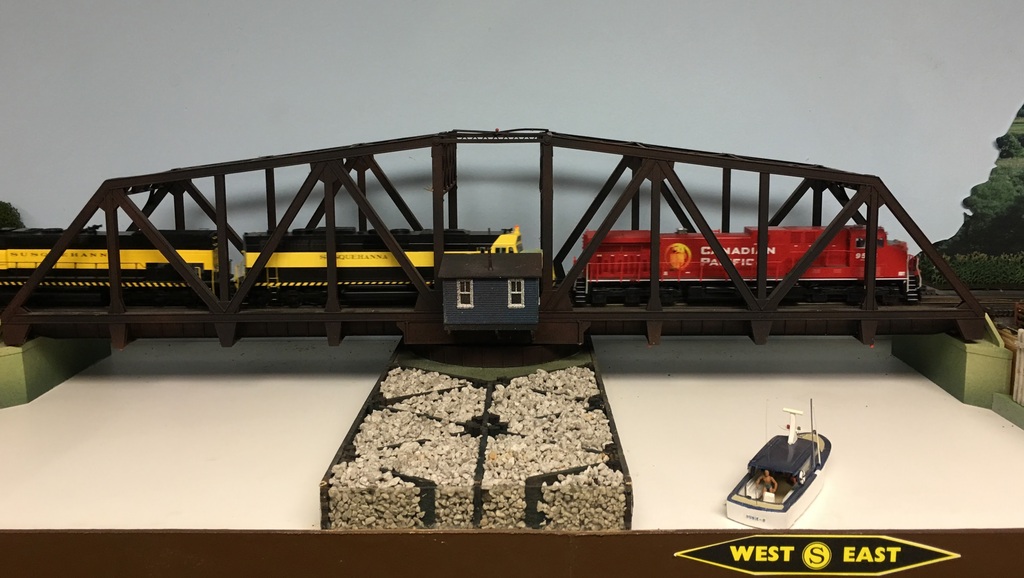
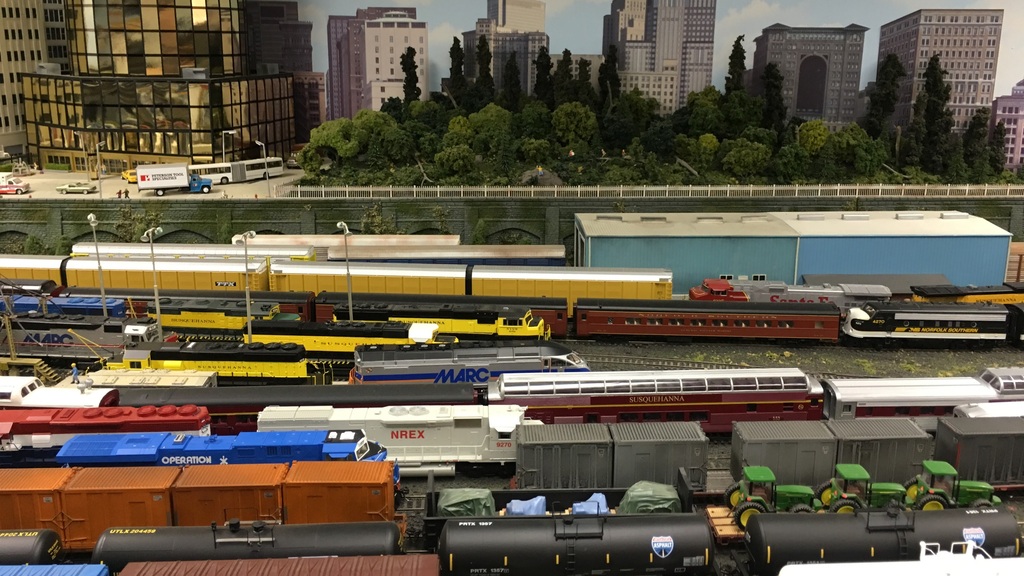
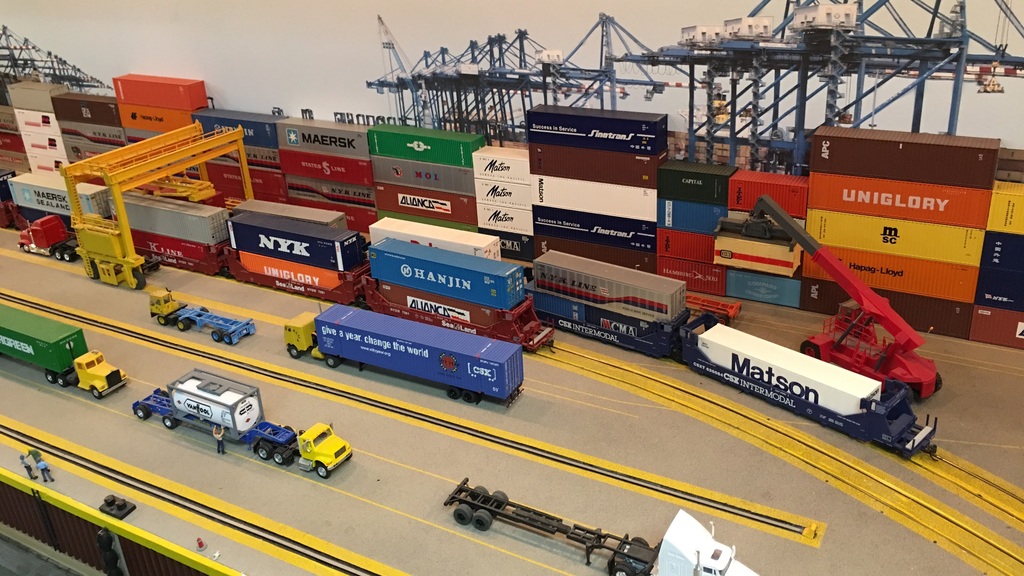
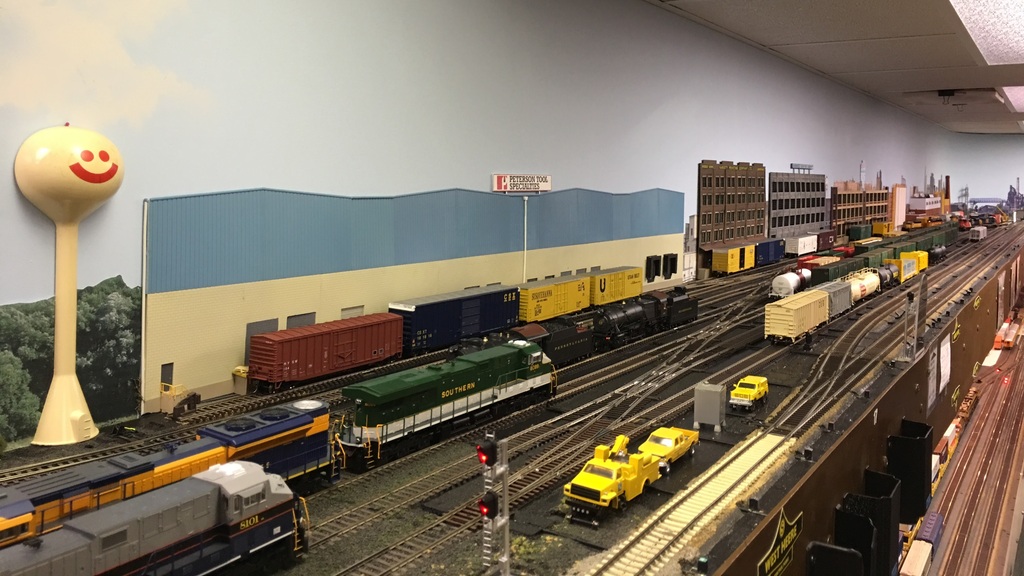
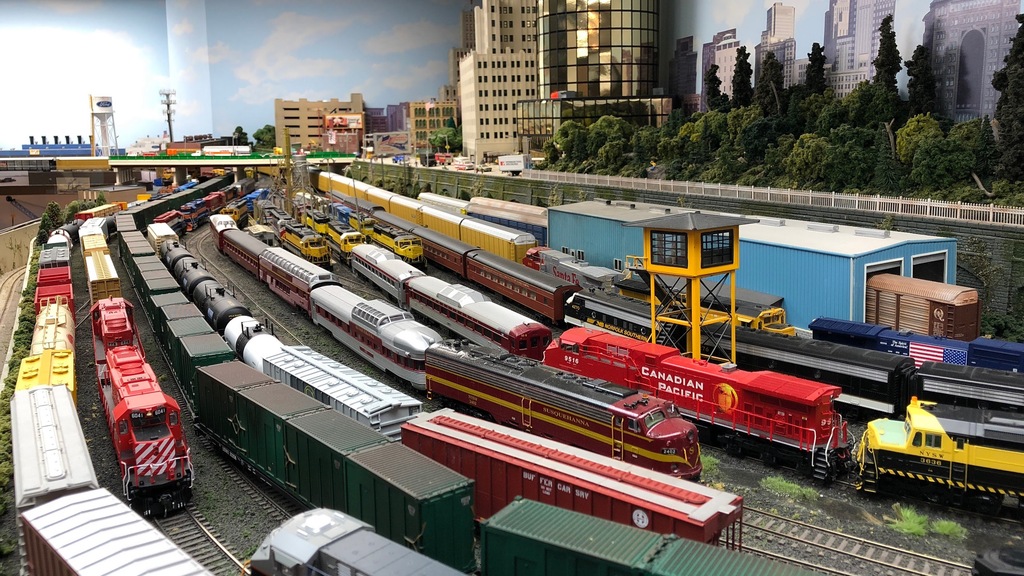
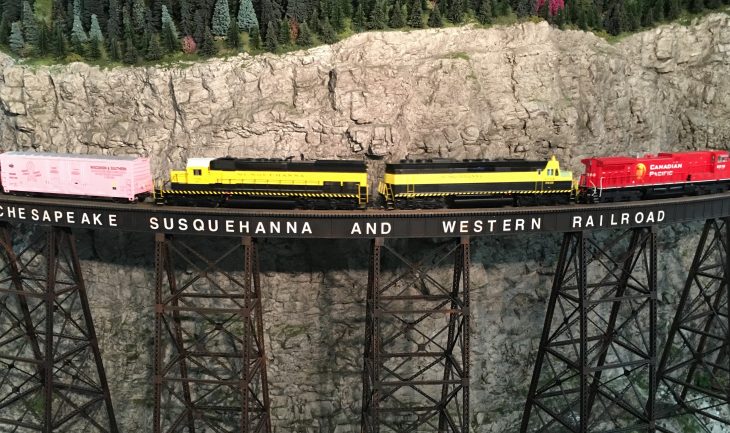
For visitors stepping into Ken Poznaniak’s layout room, one thing becomes immediately clear: this is a railroad built to move trains. The Chesapeake, Susquehanna & Western is an impressive HO-scale model railroad that captures the energy and scale of contemporary railroading, featuring long, heavy freight trains, busy industrial operations, and a variety of passenger service moving across a bustling transportation network.
The layout is a fully scenicked, bi-level railroad connected by helices at each end, allowing trains to operate either continuously or in a point-to-point fashion. Train control is provided through a Digitrax DCC system, giving operators realistic independent control of locomotives while supporting the railroad’s sophisticated operating scheme. The design creates the feeling of a much larger railroad, with trains disappearing into one scene and emerging in another as they travel between destinations. The result is a railroad that feels less like a basement layout and more like a regional transportation system.
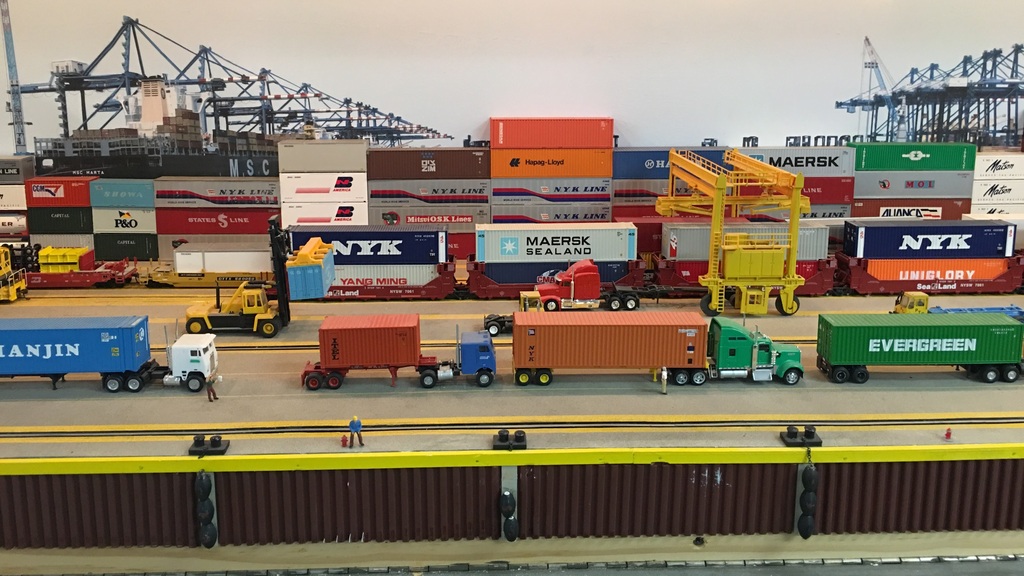
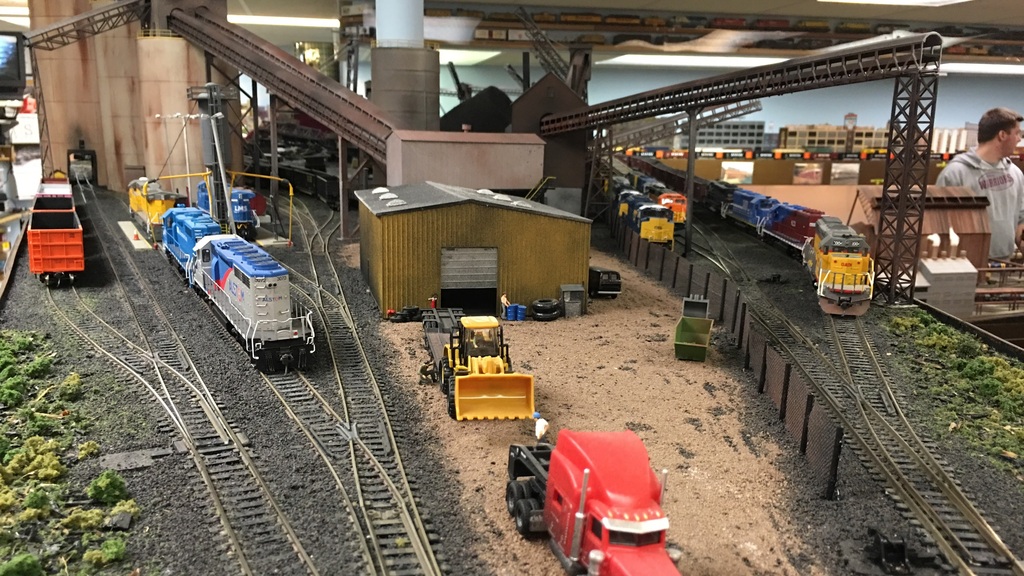
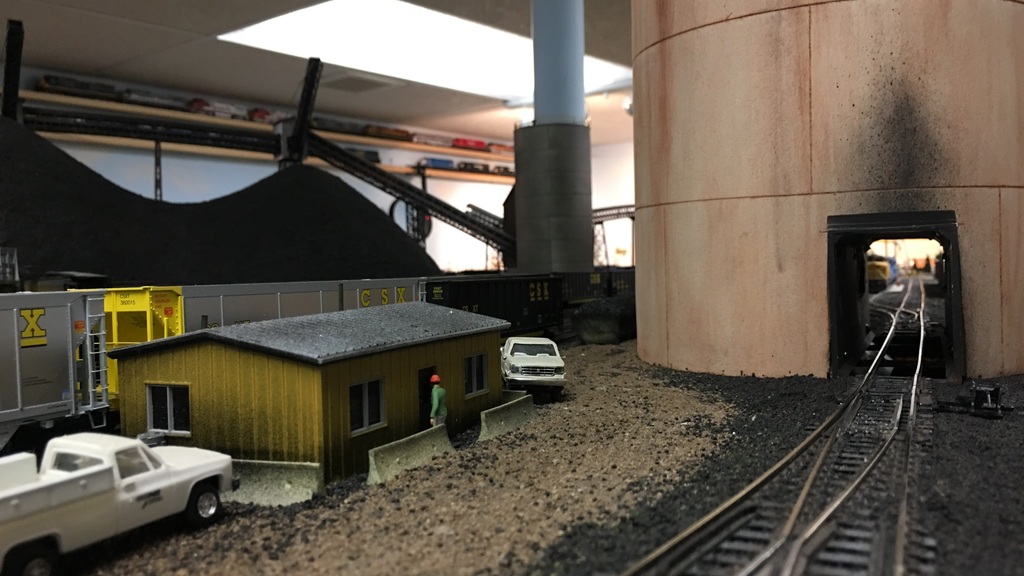
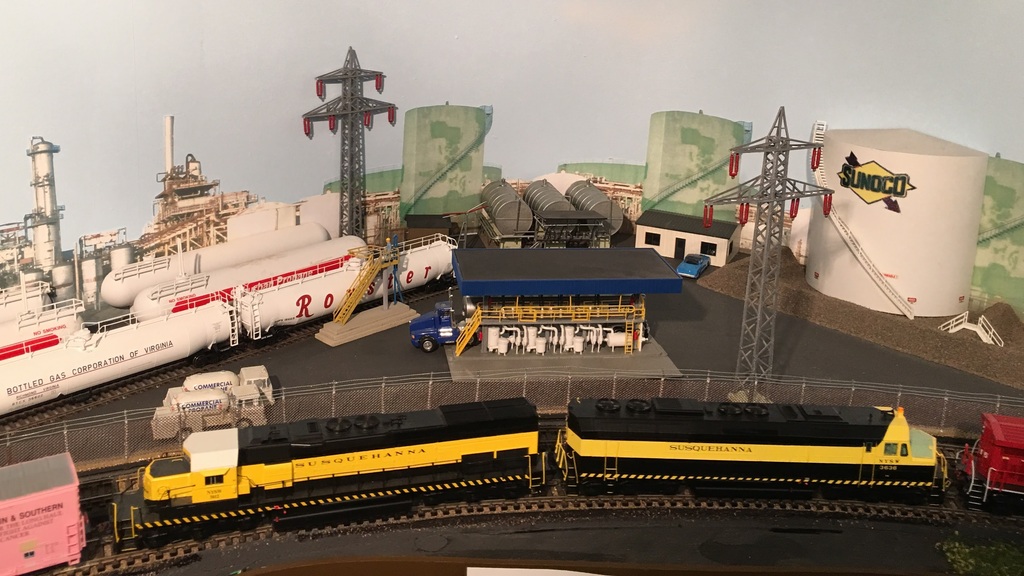
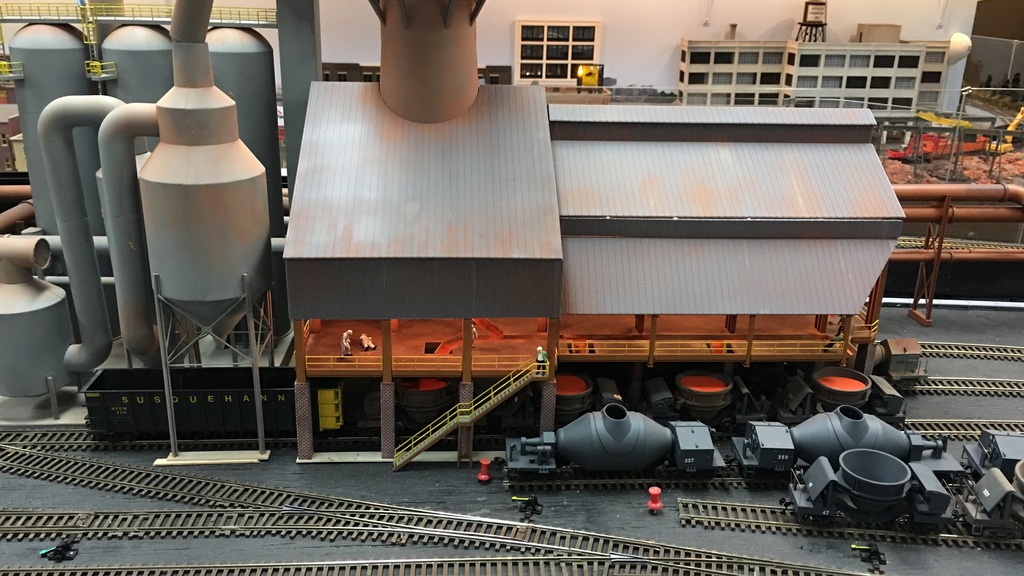
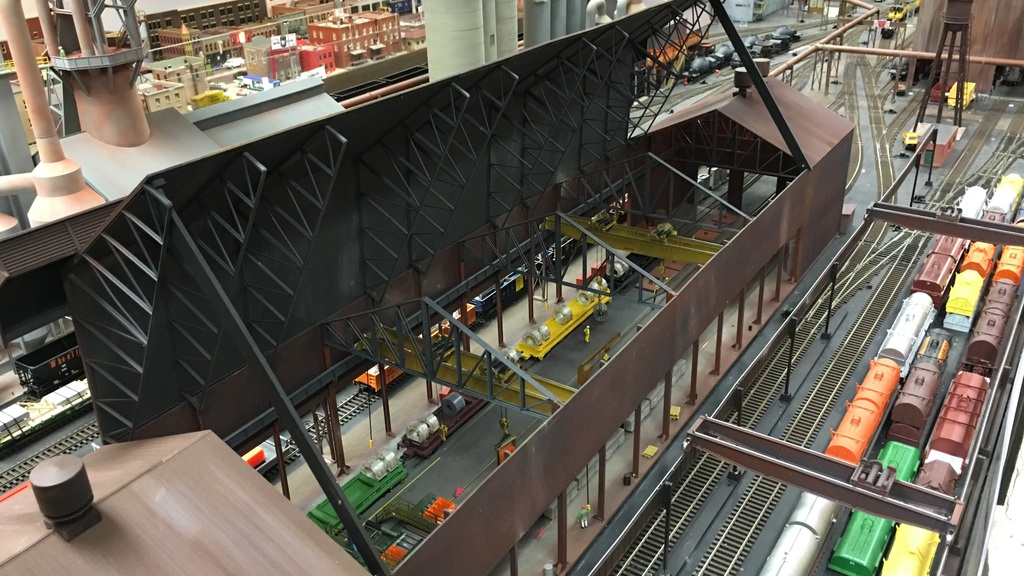
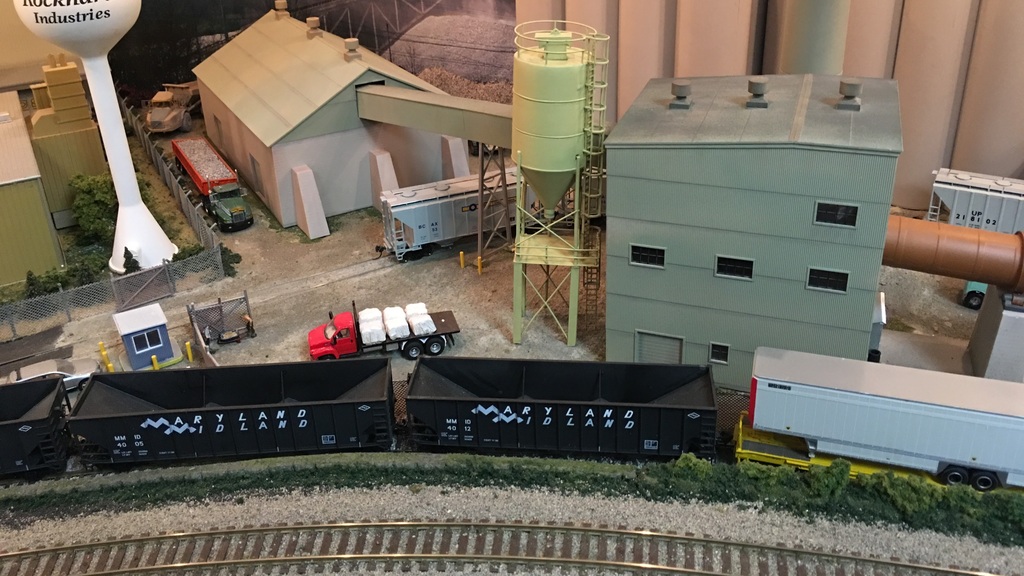
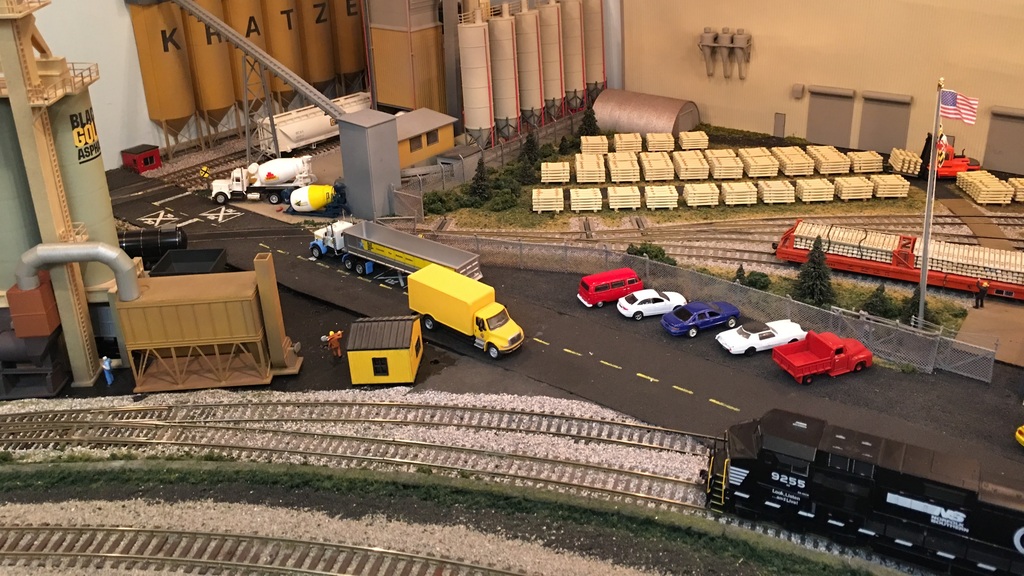
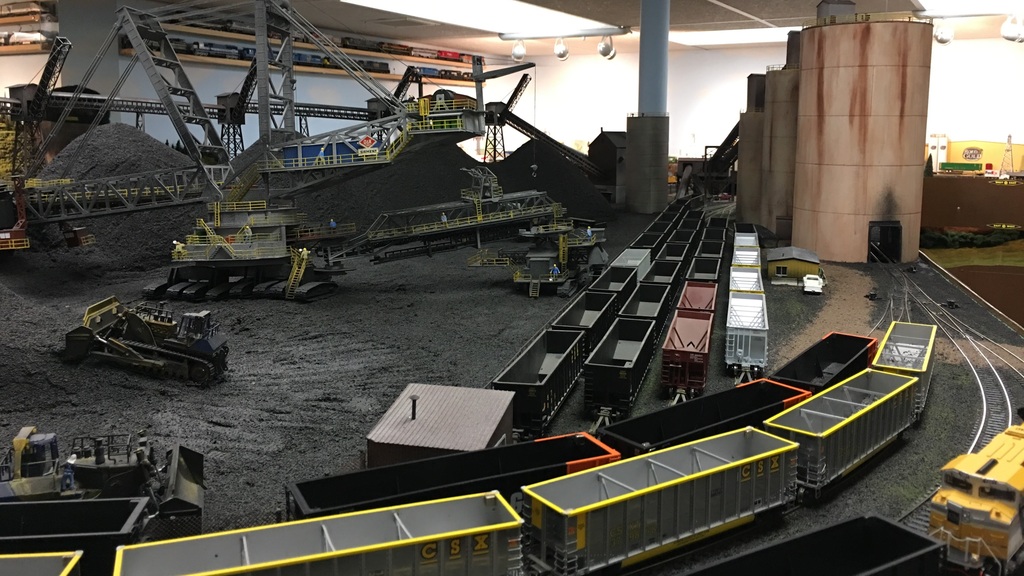
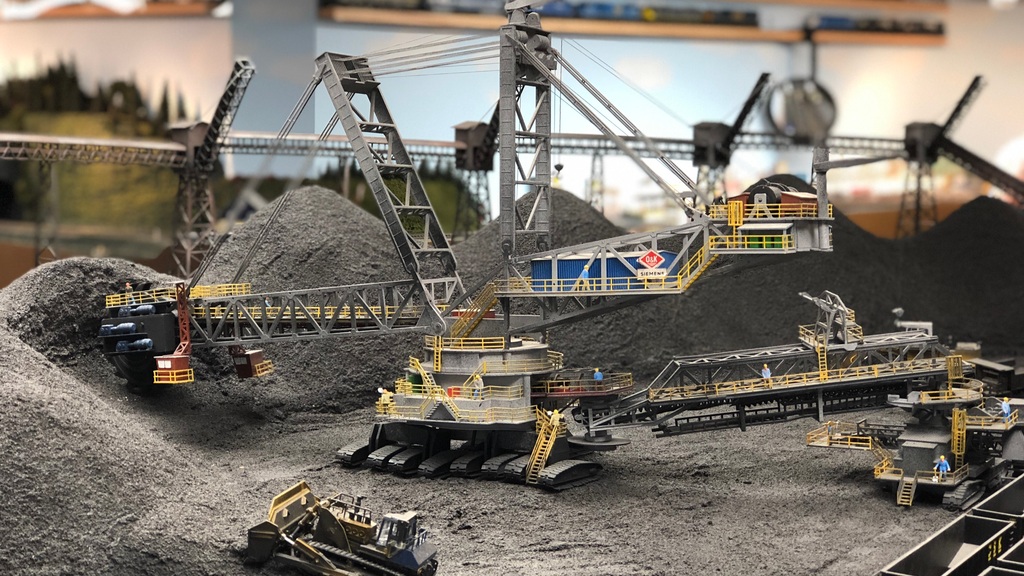
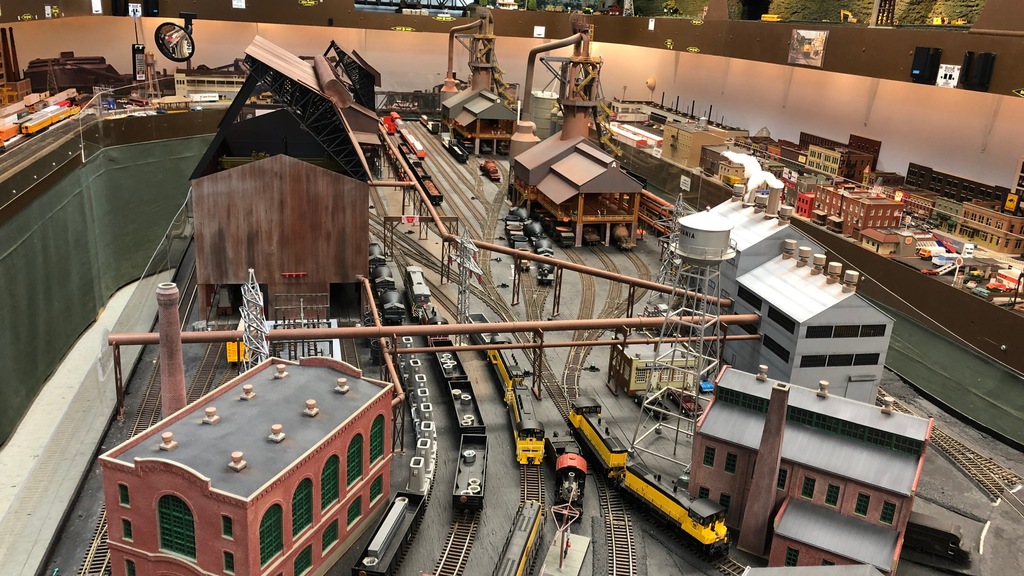
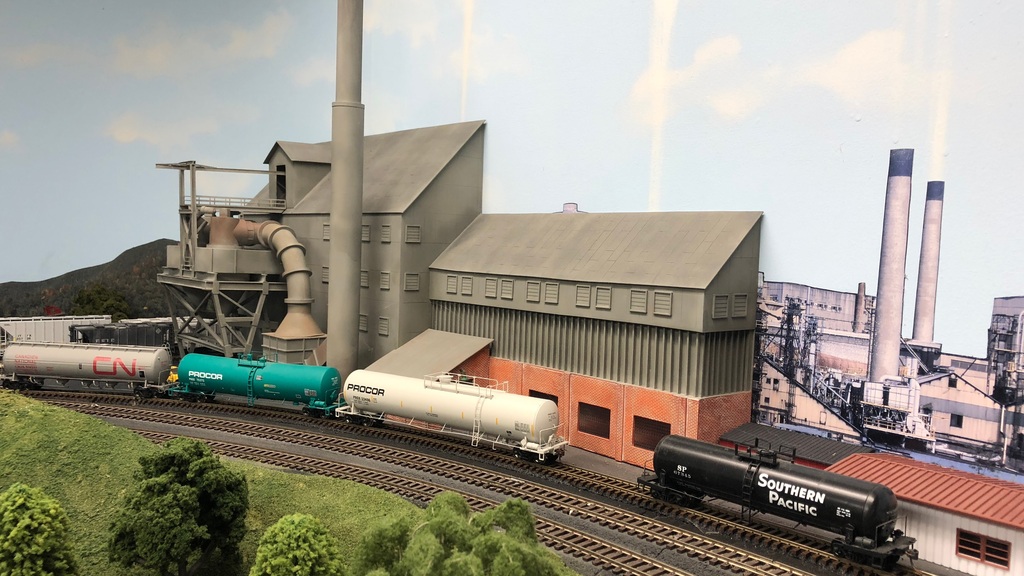
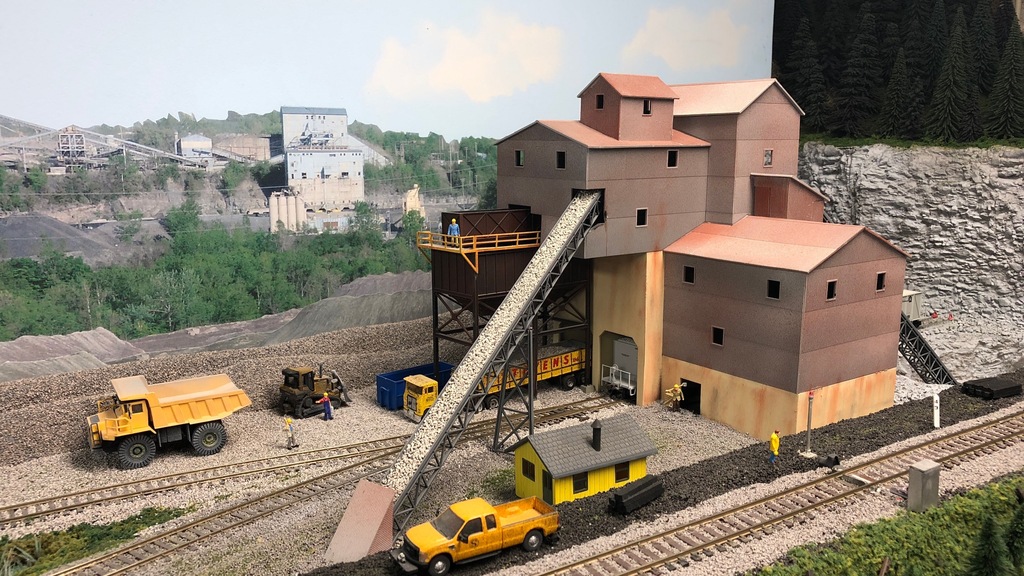
One of the standout features of the Chesapeake, Susquehanna & Western is its extensive industrial operations. A large steel mill serves as one of the railroad’s primary traffic generators, complete with dual blast furnaces, a rolling mill, and the many support facilities needed to keep steel production moving. The complex creates a constant flow of inbound and outbound traffic while providing plenty of switching work for operating crews. Coal traffic is equally important, with a coal processing facility and an automated loading system feeding trains destined for a massive power plant equipped with an automated rotary dumper. These signature scenes showcase both the operational and engineering aspects of the layout.
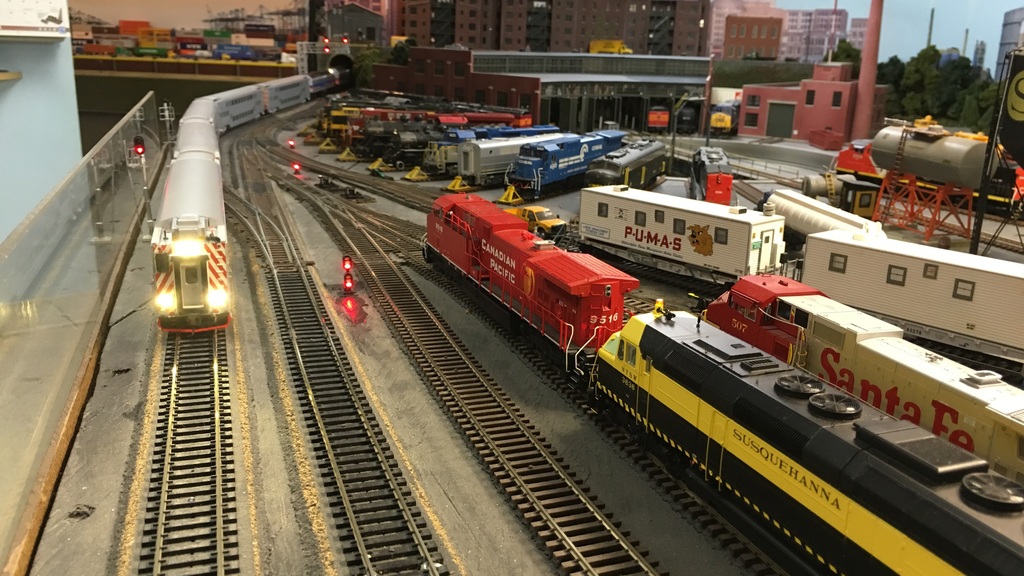
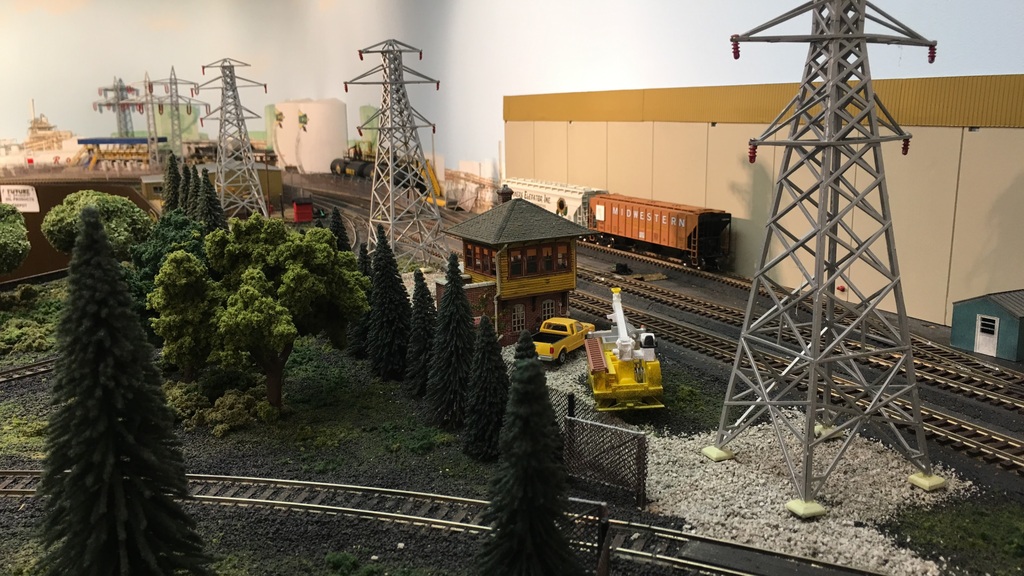
Operations are further enhanced by a fully functional signaling system that governs train movements across the railroad. Every mainline route is protected by signals, creating an operating environment that closely mirrors modern railroad practice. The railroad’s signaling and dispatching system is powered by JMRI (Java Model Railroad Interface), allowing a dispatcher working from a separate dispatching area to monitor train movements, line routes, and control traffic across the railroad through a computer-based dispatching panel. Communication between train crews and the dispatcher is handled through two-way radios, just as it would be on a real railroad. Crews contact the dispatcher to receive authority, report their locations, and coordinate movements with other trains across the system. This combination of signaling, dispatching, and radio communication adds a realistic layer of decision-making and teamwork, requiring operators to work together to keep freight and passenger traffic moving efficiently across the railroad. Signal indications must be observed by operators as trains move across the layout, creating an experience that closely resembles operation on a modern prototype railroad. The JMRI-powered signaling and dispatching system transforms the Chesapeake, Susquehanna & Western from simply a layout with trains into a transportation network that operates much like its full-sized counterparts.
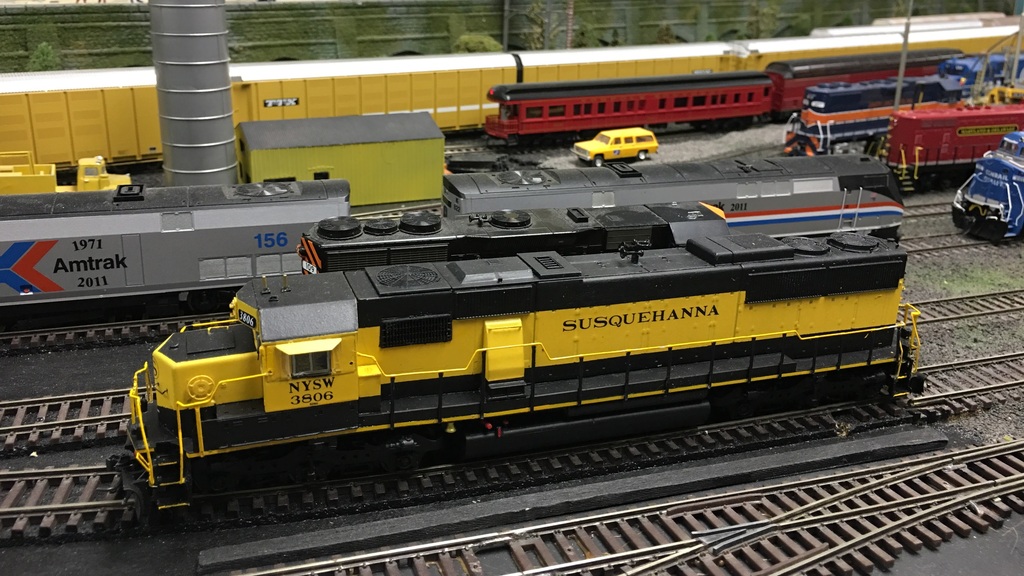
Passenger operations add another dimension to the railroad. In addition to Amtrak trains moving along the main line, MARC commuter trains make regular appearances, representing the busy passenger operations familiar to many railfans in the Mid-Atlantic region. The presence of both intercity and commuter passenger service creates additional scheduling challenges for the dispatcher and operators, as freight trains must share the railroad with passenger movements that often have priority over the line.
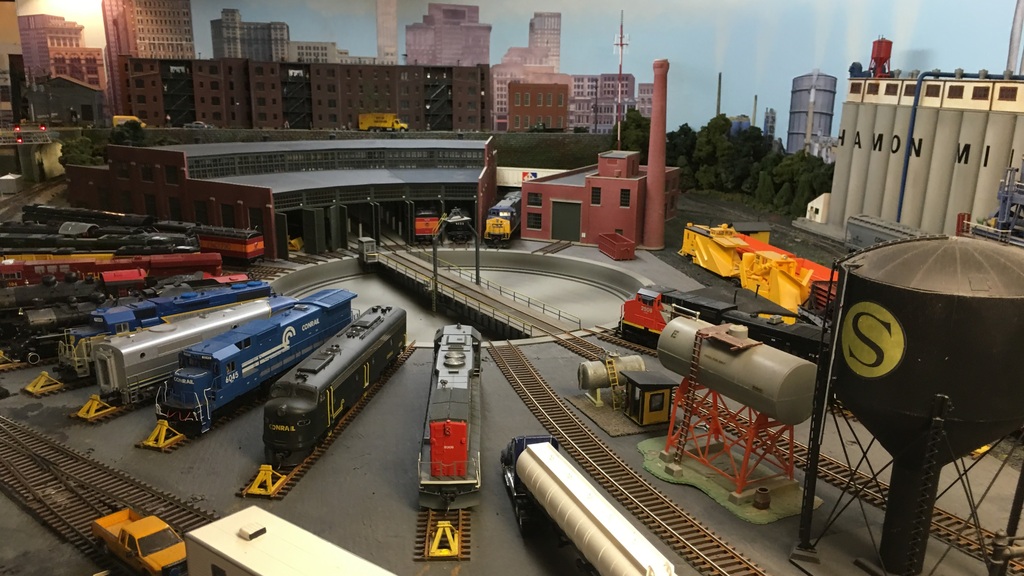
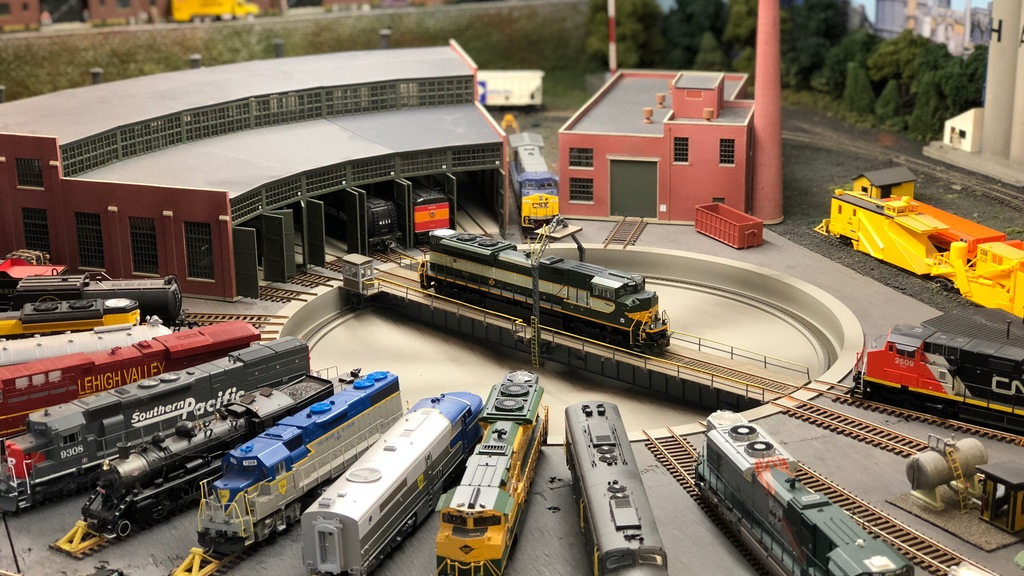
While the railroad is firmly set in the modern era, it also pays tribute to railroading’s rich history. An engine terminal featuring a roundhouse and turntable services the layout’s locomotive fleet, including steam locomotives that occasionally appear on special railfan excursions. This blend of contemporary operations and preserved steam power adds an extra layer of interest for both operators and visitors.
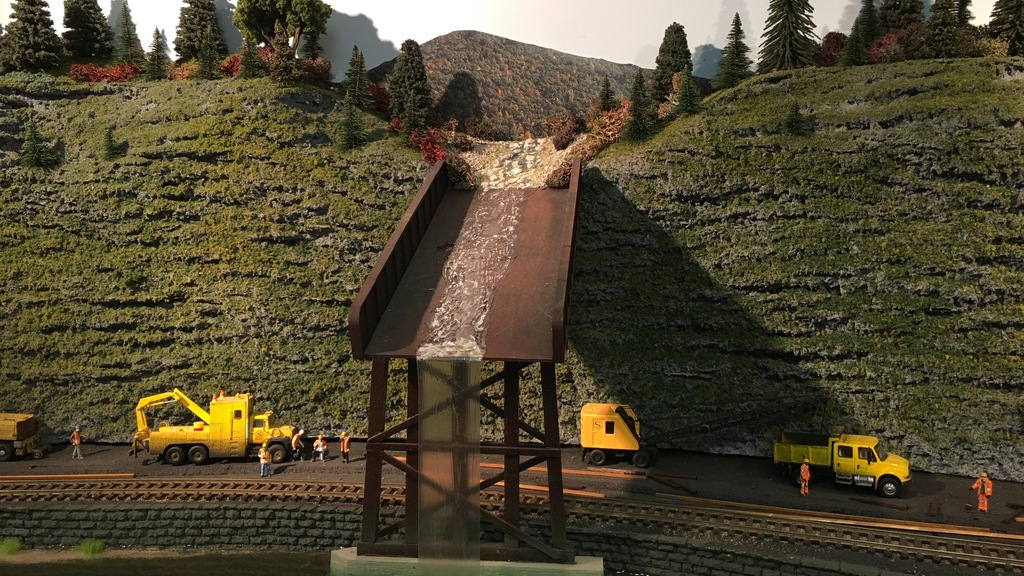
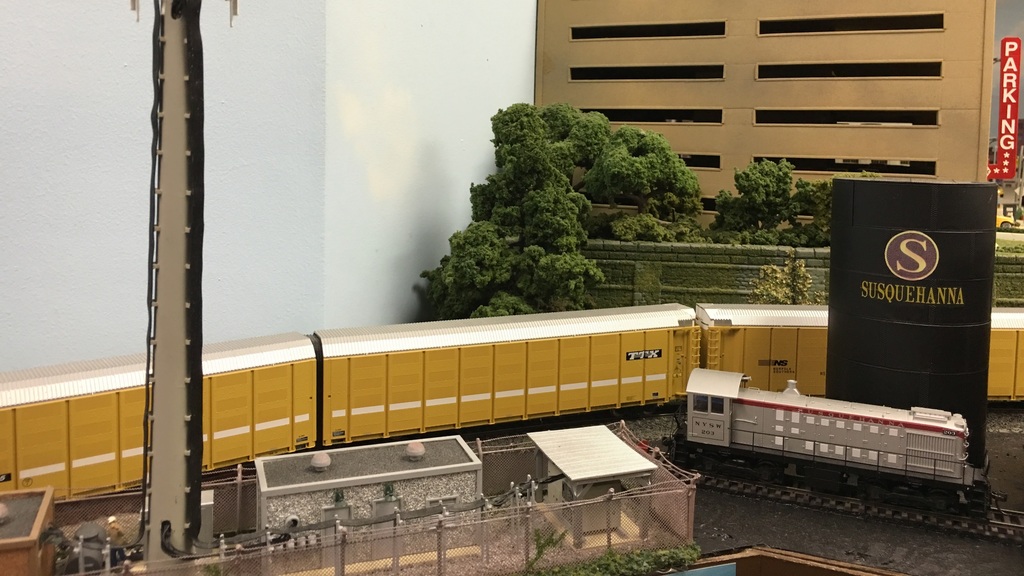
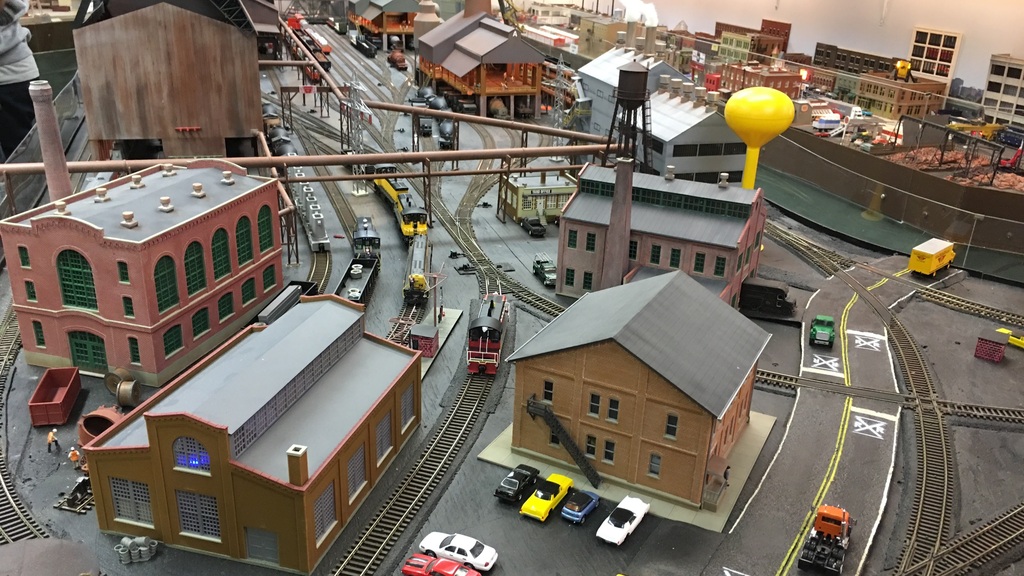
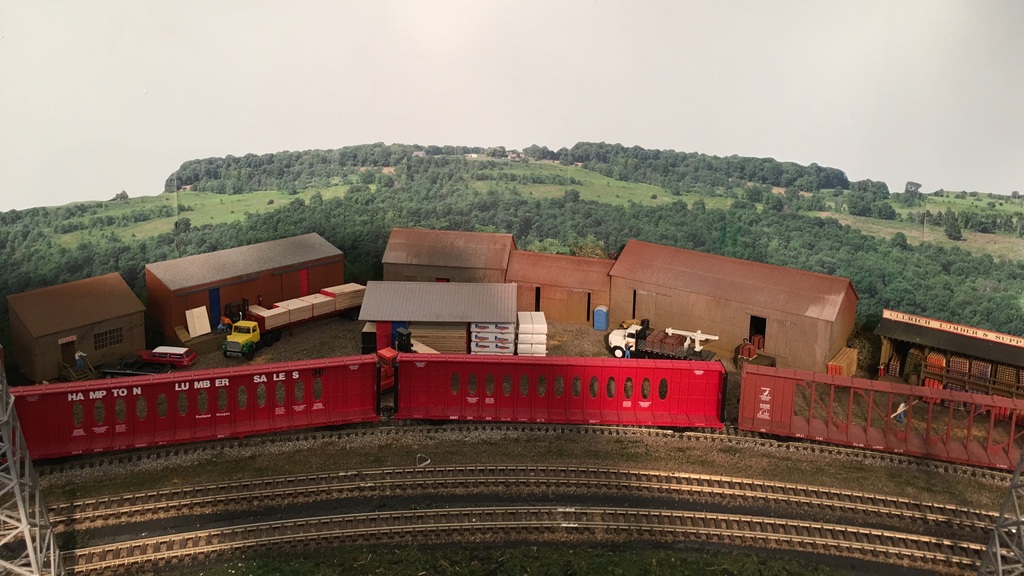
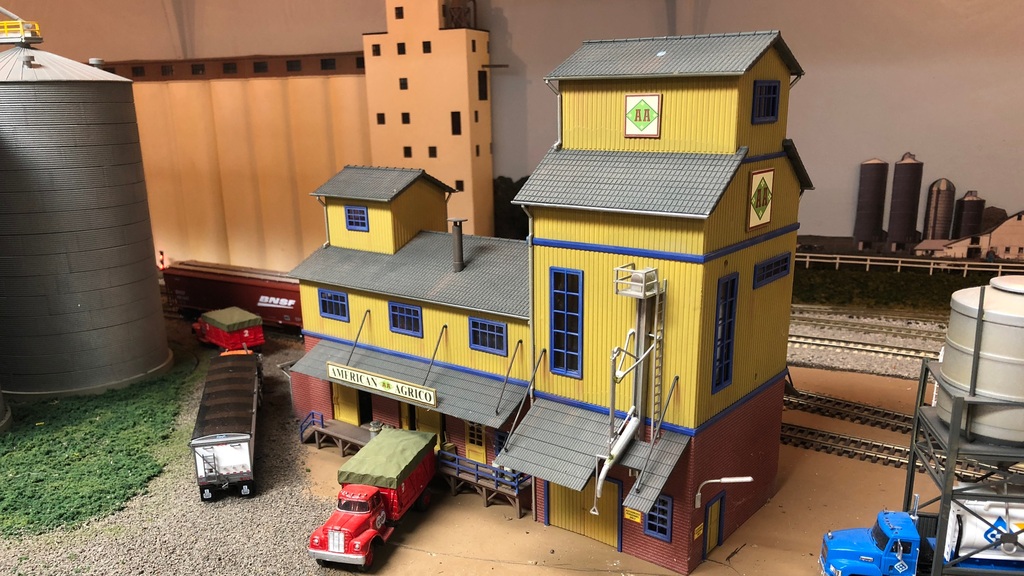
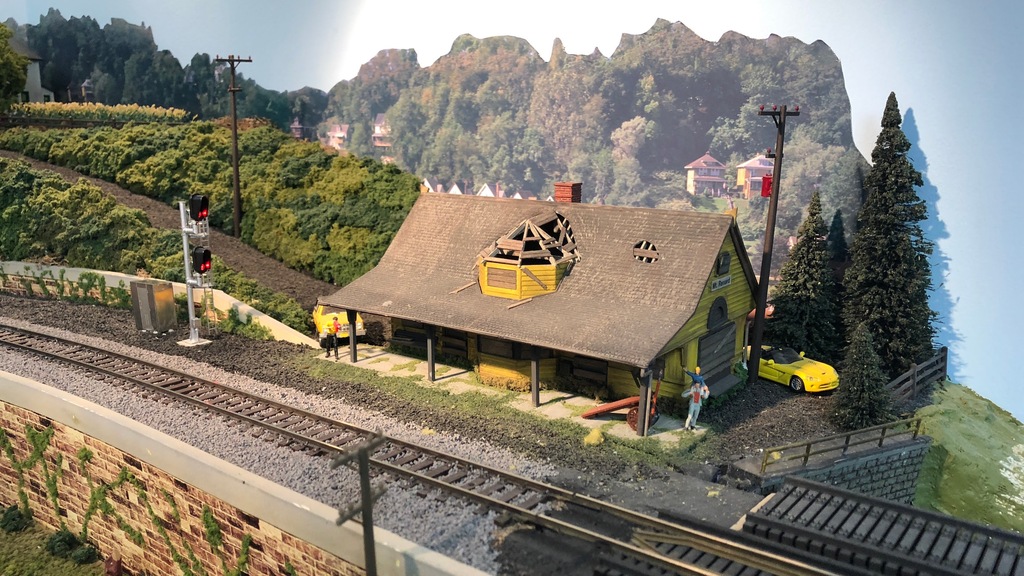
The railroad’s highly detailed scenery helps bring each scene to life. From sprawling industrial complexes to busy mainline operations, the layout presents a convincing picture of modern railroading. Long freight trains weave through the landscape while passenger trains glide along the main line, creating a railroad that always seems alive with activity.
Ken has been a member of HARM (Harford Associates for Railroad Modeling) since 2010, and his layout has become a favorite destination for operating sessions and layout tours. He has also been an active member of the National Model Railroad Association since 1995, supporting the hobby through decades of participation and sharing his knowledge with fellow modelers. The Chesapeake, Susquehanna & Western has been featured on regional NMRA layout tours, giving model railroaders from across the Mid-Atlantic an opportunity to experience its impressive operations and craftsmanship firsthand.
Whether your interest is modern freight operations, heavy industry, passenger service, signaling and dispatching systems, or simply watching long trains roll through realistic scenery, Ken Poznaniak’s Chesapeake, Susquehanna & Western demonstrates what makes model railroading such an engaging and rewarding hobby. It is a railroad built not only to be viewed, but to be operated—a transportation system that captures the movement, purpose, and excitement of the prototype railroads that inspire it.