2026 Mid-Atlantic Railroad Prototype Modelers Meet
The 2026 Mid-Atlantic Railroad Prototype Modelers (MARPM) Meet, held October 1–4 in the Baltimore area, brought together model railroaders for several days of clinics, operating sessions, layout tours, model displays, and opportunities to share ideas and techniques. Several Chesapeake Division members attended the event and shared their experiences, highlighting the variety of activities and the camaraderie that make MARPM such a popular gathering.
Learning from Fellow Modelers
One of the highlights of MARPM is the extensive selection of clinics covering prototype railroading, modeling techniques, and layout design. Attendees had opportunities to learn from experienced modelers and take home new ideas for their own projects.
Chesapeake Division member John Zdanis particularly enjoyed the hands-on weathering clinic, where participants could bring their own rolling stock to practice weathering techniques. He also appreciated the clinics on small layout design, a topic especially relevant to modelers working with limited space.
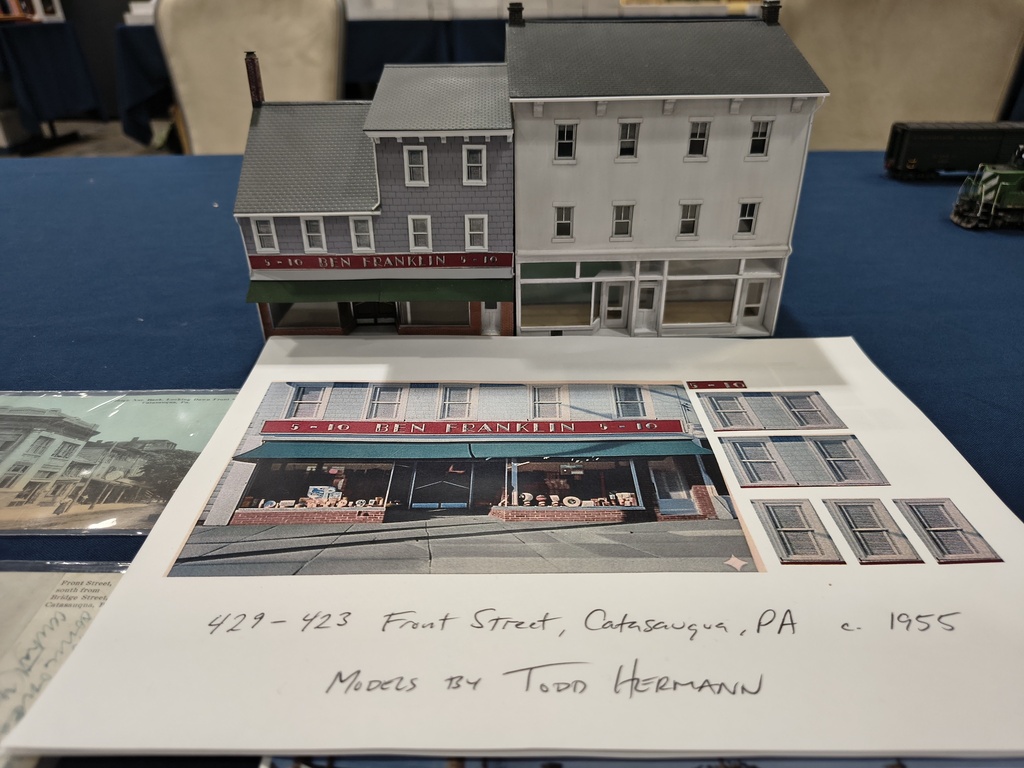
Greg Meeks noted another benefit of the clinics: the opportunity to examine actual models discussed during presentations. Todd Hermann brought examples of structures featured in his clinic, allowing attendees to see the finished work up close and better appreciate the techniques presented.
Layout Tours and Operating Sessions
As in previous years, layout open houses and operating sessions provided opportunities to see outstanding model railroads in action. John Zdanis participated in an operating session on Jeff Mutter’s layout, describing it as a great-looking, well-running railroad that provided an excellent operating experience. He hopes to have an opportunity to visit again.
Although his schedule did not permit him to participate in an operating session, Greg Meeks visited four layouts during Friday’s open houses, each offering a different approach to prototype modeling:
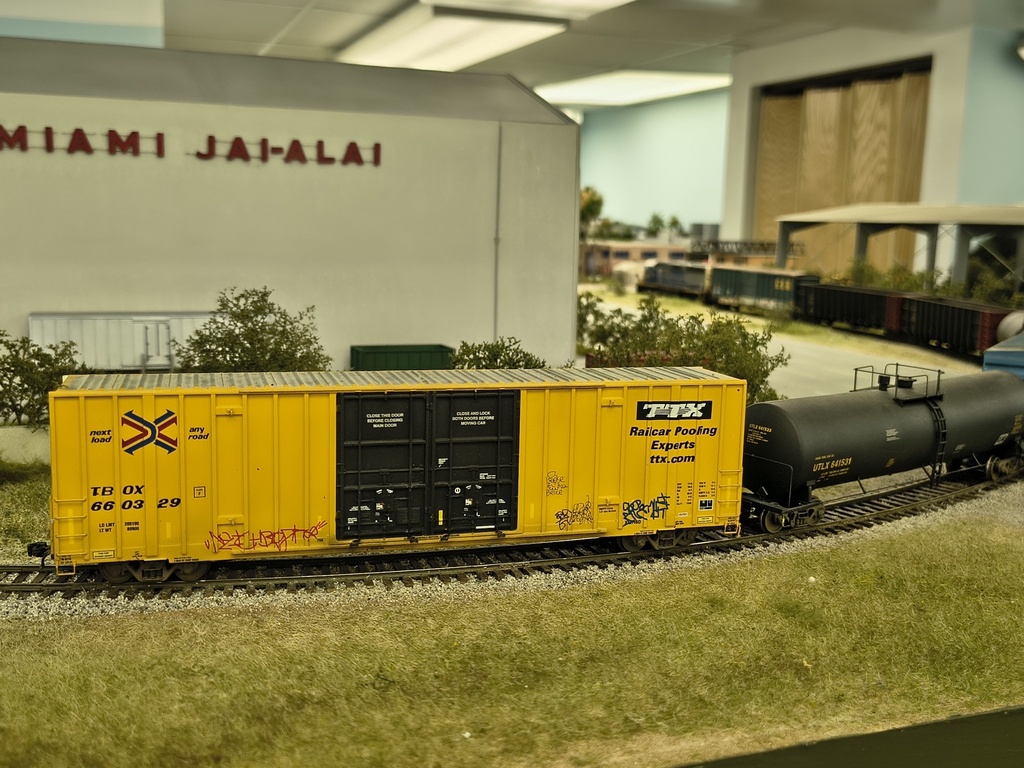
- Lance Mindheim’s Miami Downtown Spur: Greg had previously attended a clinic about the layout and was pleased to finally see it in person. He particularly appreciated its realistic portrayal of everyday Miami railroading, where local switching operations keep industries and the economy moving. Its strength lies in accurately capturing the ordinary activities of a working railroad.
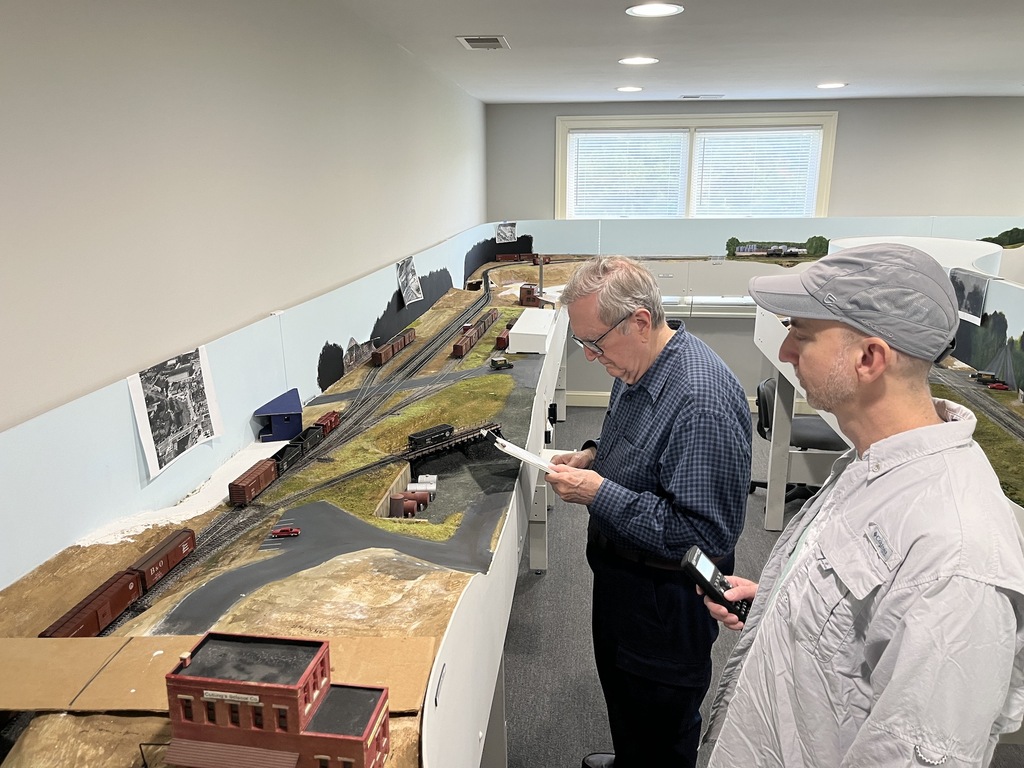
- Kelly Regan’s B&O Georgetown Branch: A well-researched and carefully modeled representation of this Baltimore & Ohio branch line. Having visited previously, Greg noted the continued progress on the layout, which attracted considerable interest from visitors.
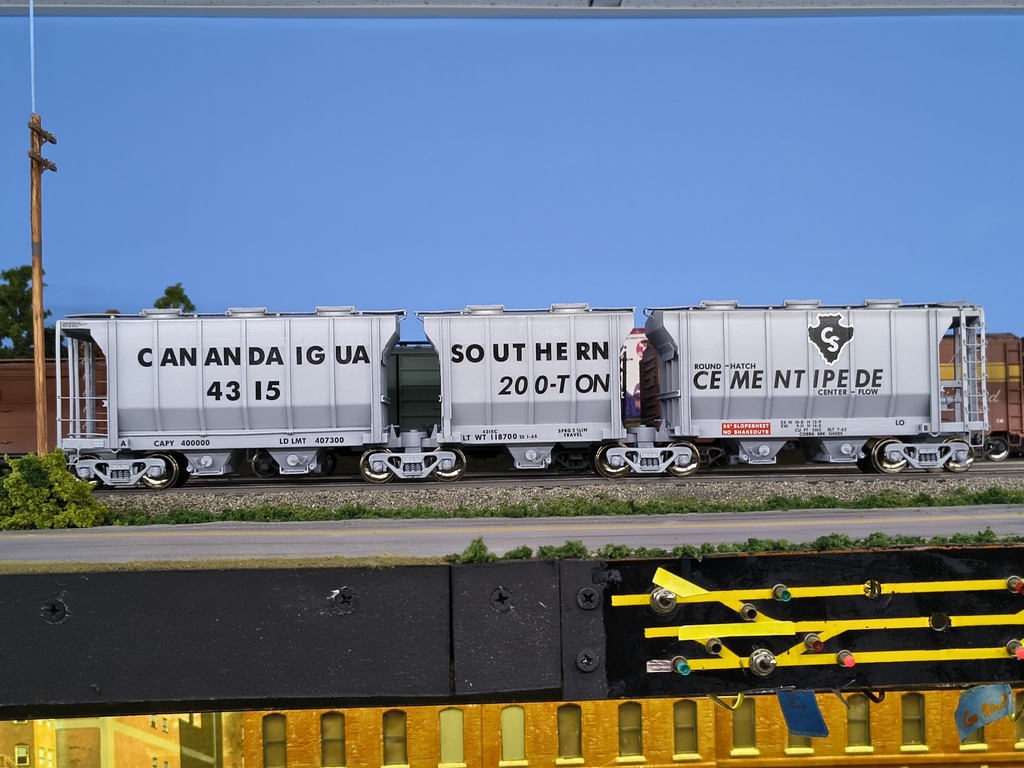
- David Vaughn’s Nickel Plate/Canandaigua Southern: An impressive O-scale railroad incorporating a substantial portion of John Armstrong’s legendary Canandaigua Southern, along with other notable O-scale modeling and Vaughn’s own Nickel Plate. Greg described the layout as unique and special, noting that visitors were even invited to take a throttle and operate trains.
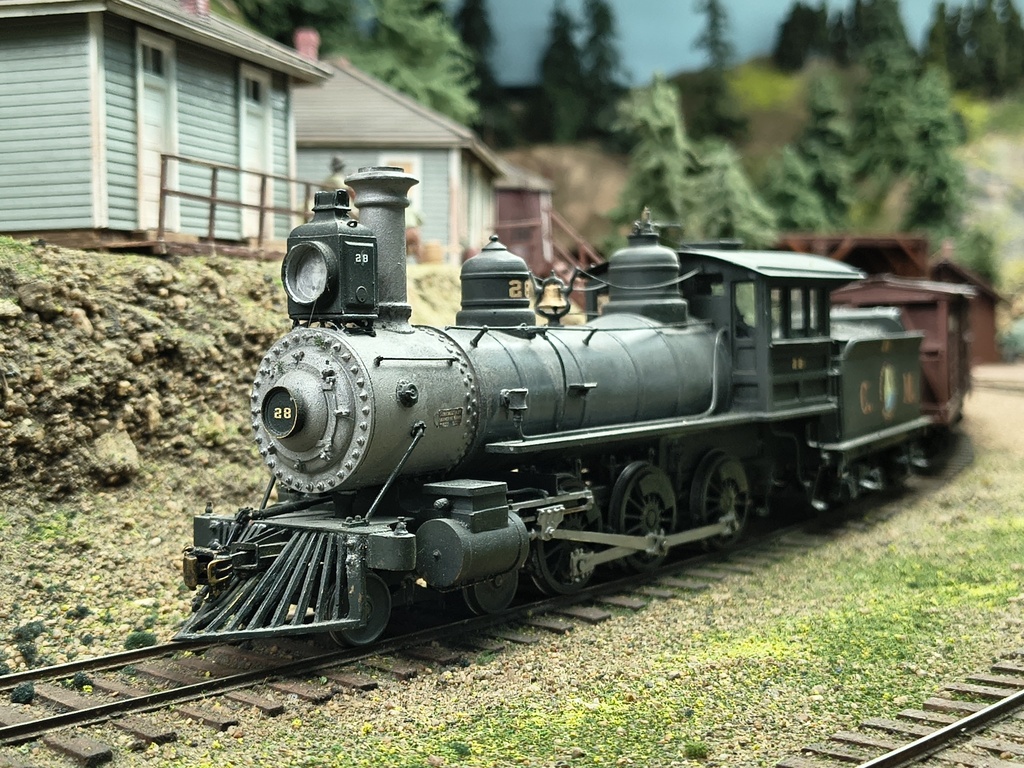
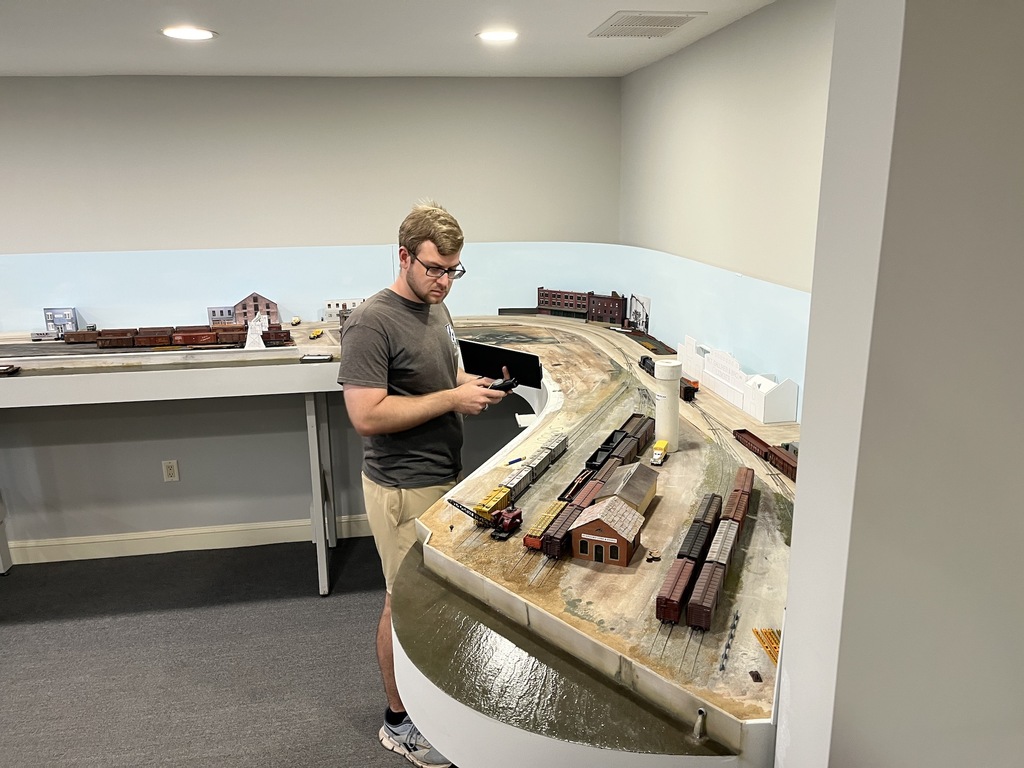
- Andrew Dodge’s Central Maine: Another remarkable O-scale layout, featuring impressive locomotives and distinctive waterfront scenes, including a passenger vessel and a barge tender. Greg noted Dodge’s transition from his previous Colorado Midland layout as a reminder to visit layouts whenever the opportunity arises, since model railroads continue to evolve and change.
These visits demonstrated the tremendous variety of approaches to prototype modeling, from compact industrial switching layouts to expansive railroads featuring detailed scenery and operations.
Models, Displays, and T-TRAK
The model display and vendor room offered plenty of inspiration, with attendees bringing examples of their latest modeling projects to share with fellow hobbyists. These displays are an important part of the RPM experience, allowing modelers to examine techniques, discuss construction methods, and exchange ideas.
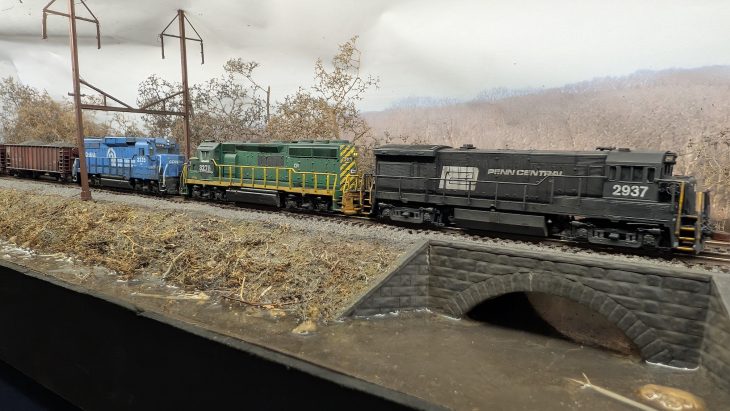
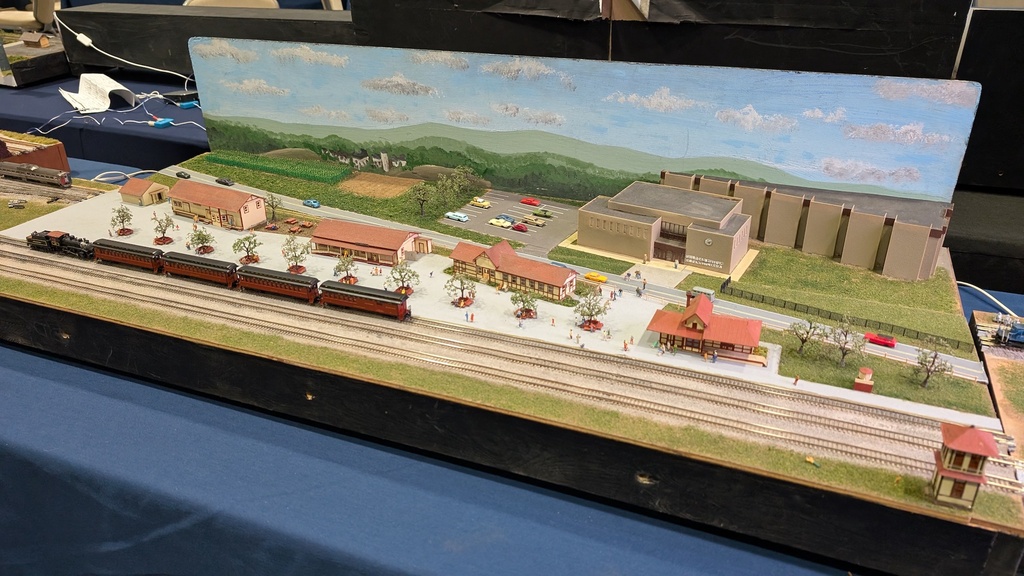
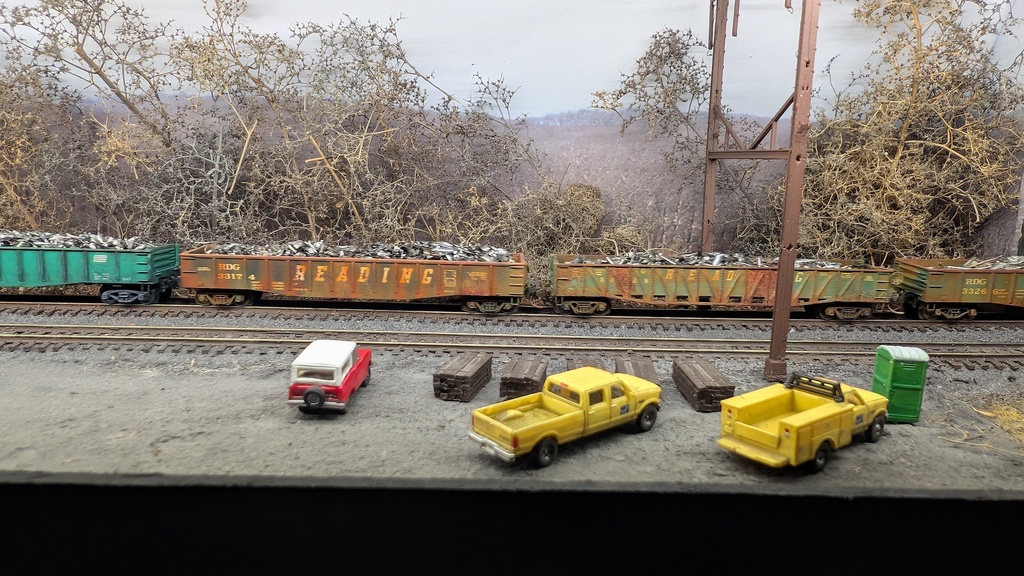
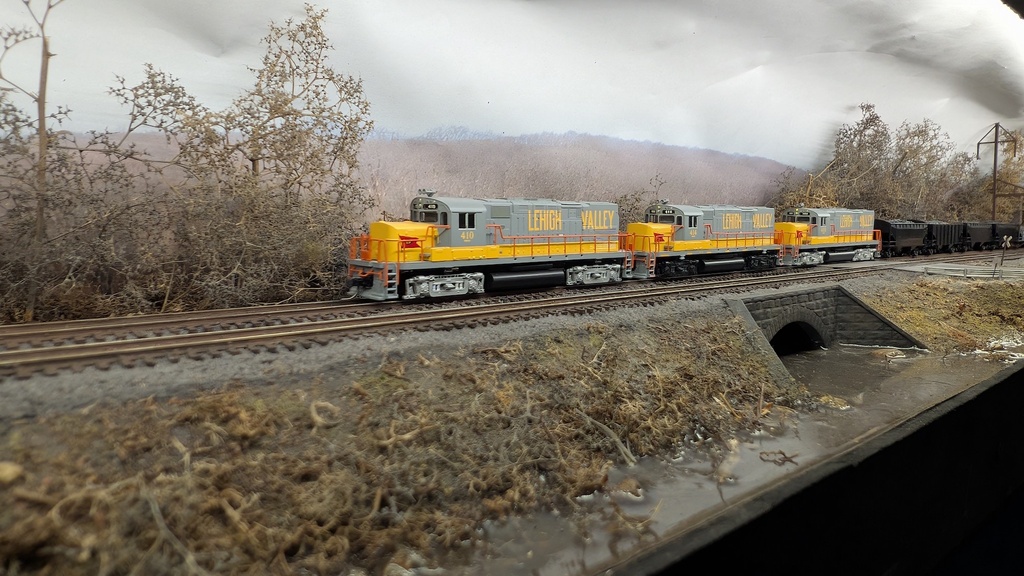
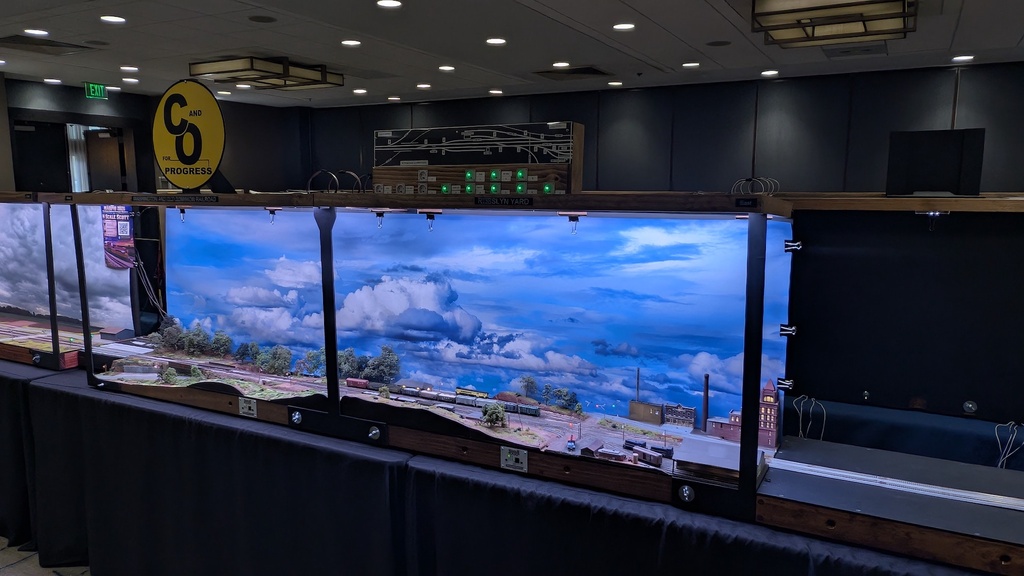
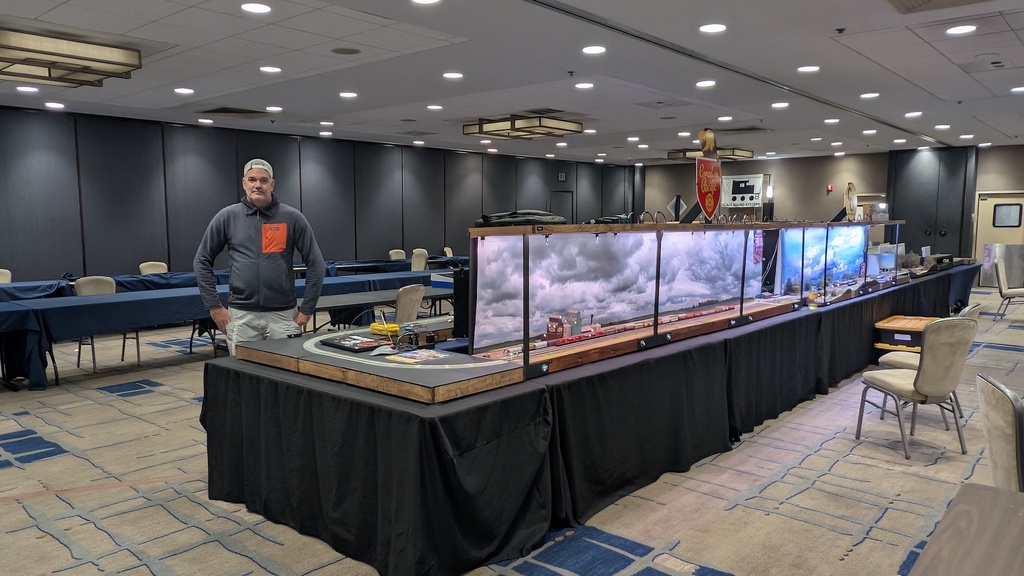
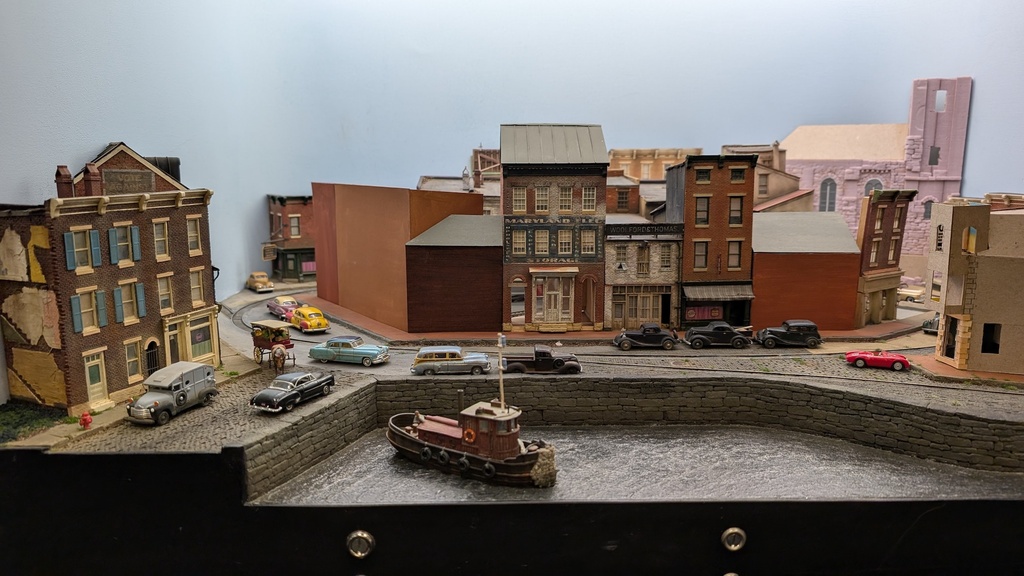
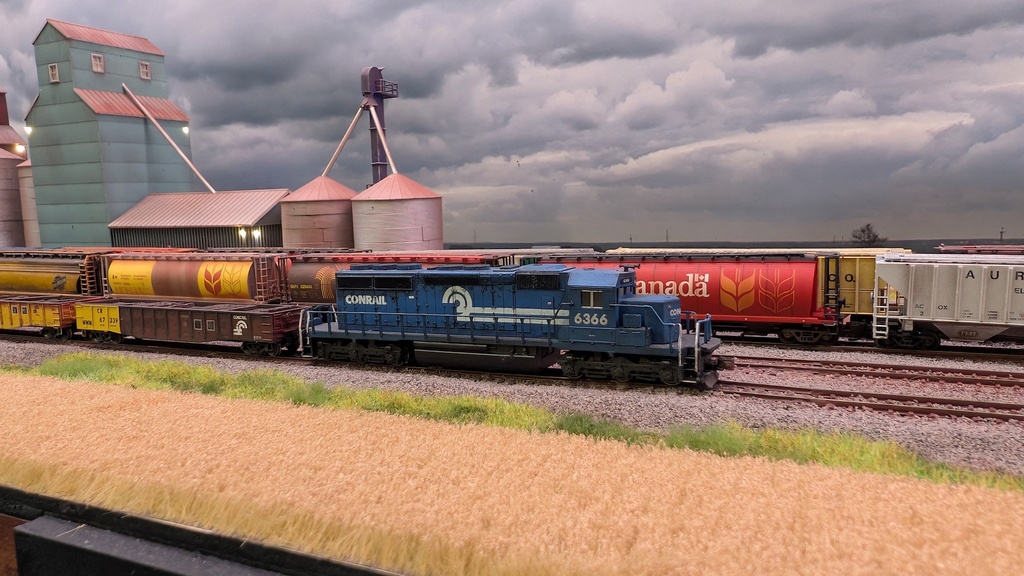
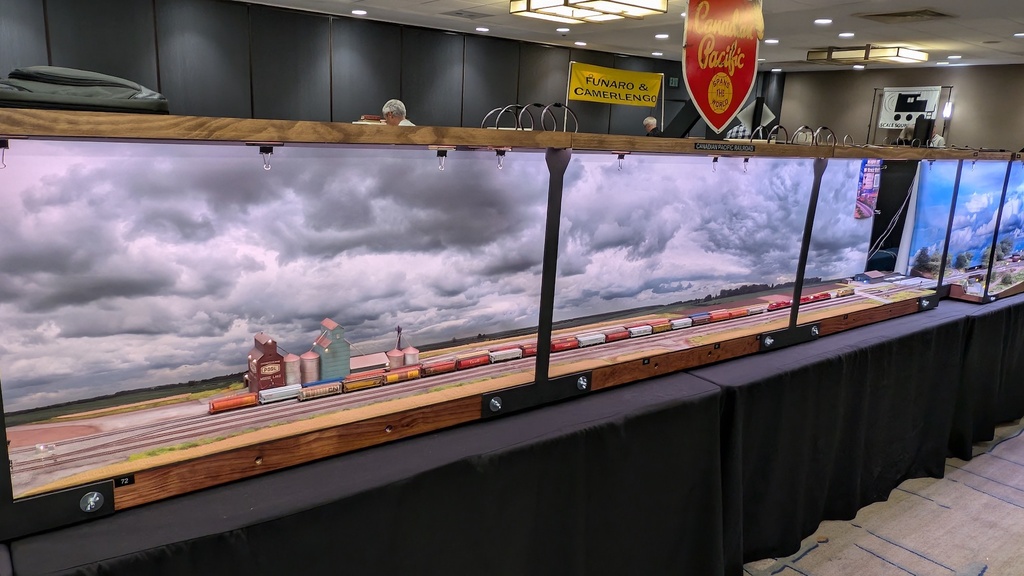
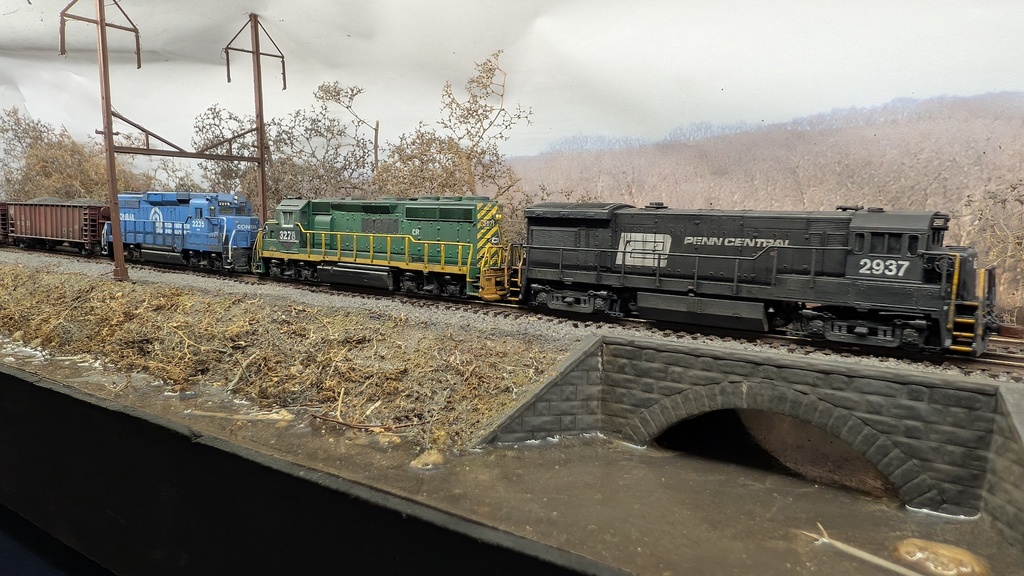
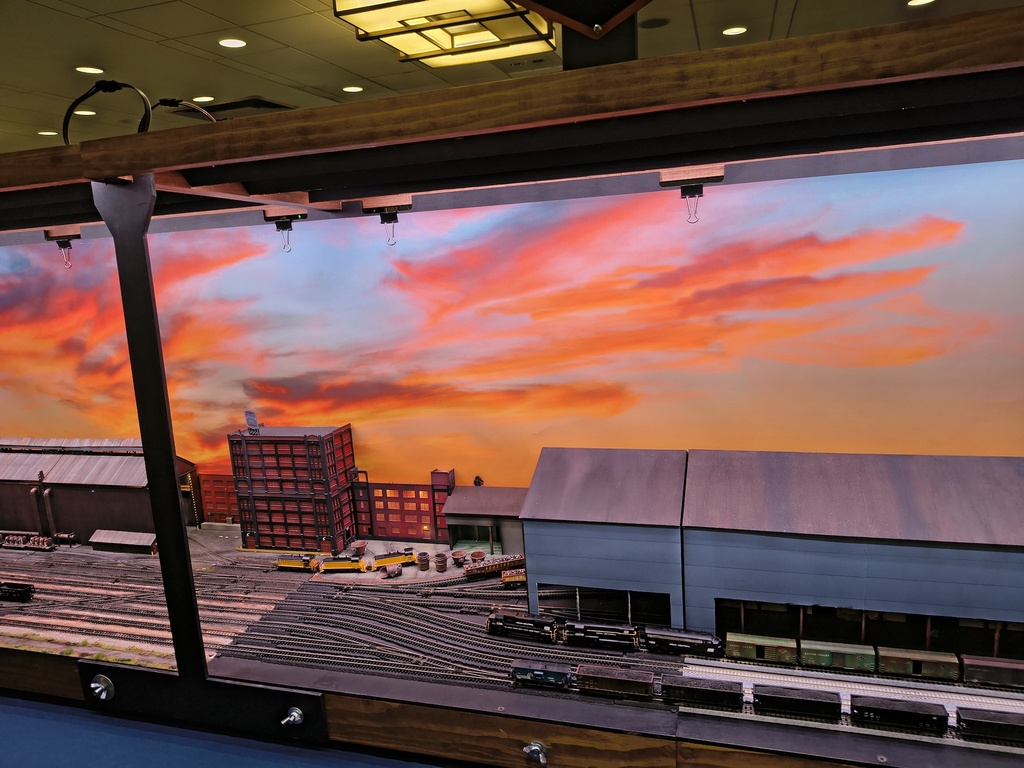
A new addition to this year’s meet was a prototype-inspired N-scale T-TRAK layout coordinated by Scott Wahl and Ed Kapuscinski. Ed was particularly involved in the T-TRAK setup, which featured approximately 15 modules demonstrating how the popular modular format can be used for detailed prototype modeling.
The modules featured a variety of impressive scenes and modeling techniques. Greg Meeks particularly noted the lighting effects depicting the sky and clouds on Scott Wahl’s modules, describing them as a showstopper.
The display demonstrated that T-TRAK can offer much more than a portable modular railroad. With thoughtful planning, detailed scenery, and prototype inspiration, the format provides an excellent platform for realistic railroad modeling, even within the relatively small footprint of individual modules.
More Than Just Model Railroads
While the clinics, layouts, and model displays are major attractions, attendees emphasized that one of the most valuable aspects of MARPM is the opportunity to connect with fellow model railroaders.
Greg Meeks highlighted the knowledge sharing and camaraderie as reasons he continues to enjoy attending MARPM. He considers the event a great learning experience for everyone, with opportunities to exchange ideas, admire the work of fellow modelers, and discover new approaches to the hobby.
Greg also noted the popularity of the meet’s raffle, which offered a wide selection of prizes and plenty of opportunities for participants to win something. Combined with the impressive models brought by attendees, these activities contributed to the friendly, welcoming atmosphere of the event.
Whether discussing a modeling challenge, learning a new technique, or simply admiring another modeler’s work, the conversations and friendships developed at events like MARPM are often just as valuable as the scheduled activities.
Looking Ahead
The 2026 MARPM Meet once again demonstrated the value of gathering with fellow model railroaders to learn, share, and be inspired. From hands-on clinics and prototype research to layout visits and operating sessions, the event offered something for modelers of all scales and interests.
The Chesapeake Division encourages members to take advantage of events like MARPM, even if they do not consider themselves strictly prototype modelers. The techniques, ideas, and friendships developed at these gatherings can benefit anyone involved in the hobby.
Thank you to the MARPM organizers, clinicians, layout hosts, vendors, and volunteers who helped make this year’s meet a success. Special thanks to John Zdanis, Greg Meeks, Kelly Regan, and Ed Kapuscinski for sharing their experiences and helping document the event for fellow Chesapeake Division members.
We look forward to seeing what next year’s meet has to offer!