Enhance Your Model Railroad with Realistic Operations
For many model railroaders, watching trains circle a layout is only the beginning of the hobby. The real excitement often comes from recreating the purpose behind those trains — moving freight, serving industries, following schedules, and operating a railroad the way the prototype did. That is where the Operations Special Interest Group, better known as OpSIG, comes in.
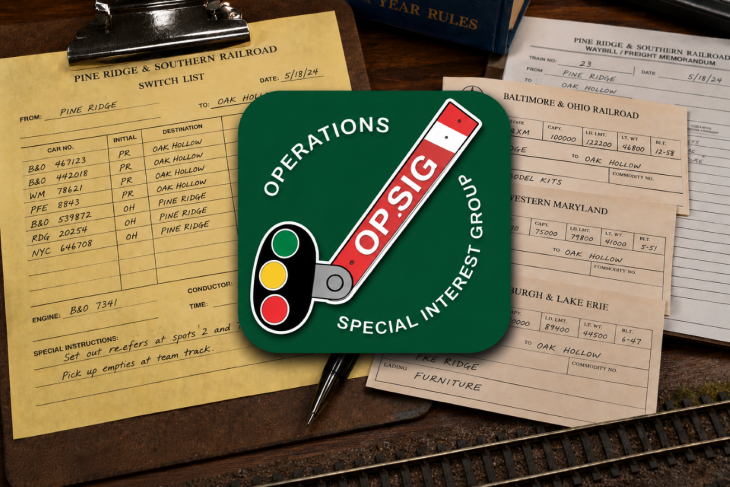
The Operations Special Interest Group is an independent organization dedicated to promoting realistic railroad operations as one of the most rewarding aspects of model railroading. While some hobbyists focus primarily on scenery, structures, or collecting equipment, OpSIG members explore how railroads actually function. Their goal is to make layouts operate with purpose and realism through freight forwarding systems, dispatcher control, timetables, waybills, yard operations, and coordinated crew activities.
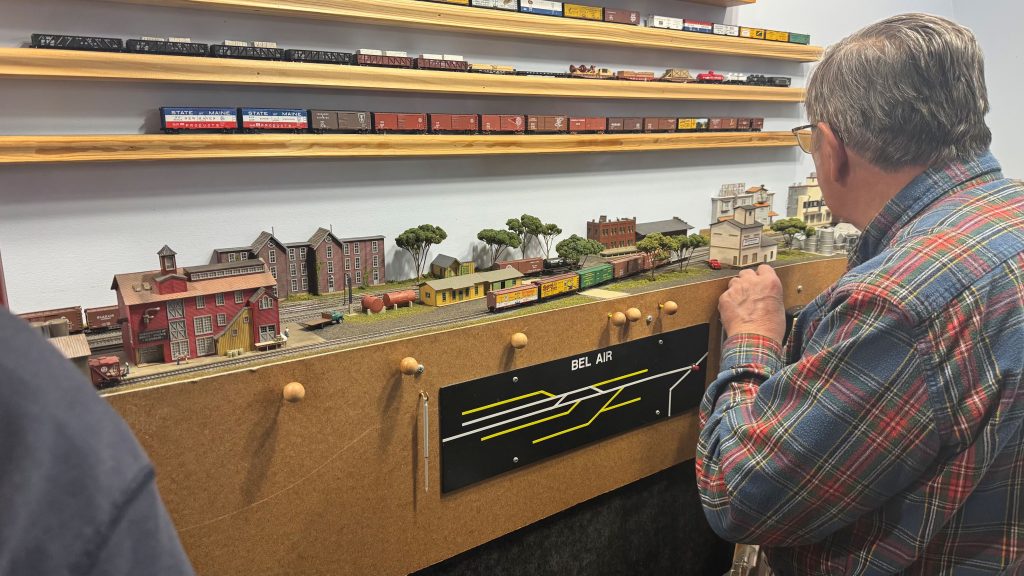
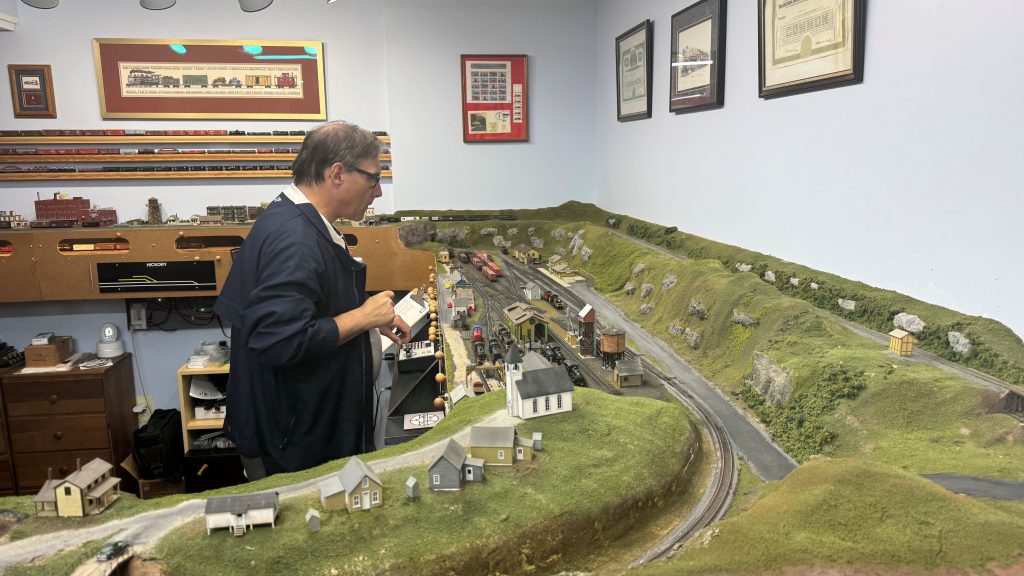
One of the most appealing aspects of railroad operations is that it does not require a massive basement-sized layout to be enjoyable. Even a small switching layout can provide enough operating challenges to keep a crew busy for hours. Carefully planned industries, realistic car movements, and thoughtful track arrangements can create engaging operating sessions in surprisingly compact spaces. Many modelers discover that operations adds depth and replay value to their layouts regardless of size.
OpSIG welcomes modelers at every experience level. Whether you are just beginning to host operating sessions or already running a fully signaled dispatcher-controlled railroad, there is always something new to learn and share. Many members find that operations transforms a layout from a static display into a living transportation system with purpose and realism.
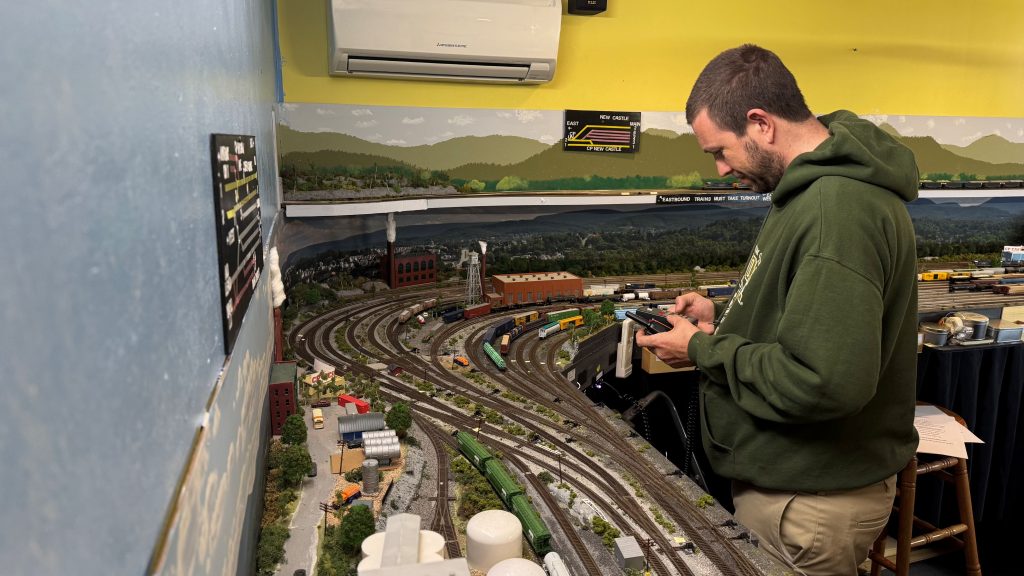
The organization publishes a quarterly online digital magazine called The Dispatcher’s Office, featuring articles on operating practices, layout design, traffic flow, signaling, dispatching, and prototype-inspired ideas from modelers around the world. OpSIG also maintains an active online community through regular Zoom meetings, discussions, and social media, giving members opportunities to exchange ideas and learn from experienced operators.
For those interested in personal achievement and growth within the hobby, OpSIG even offers its own Achievement Program focused specifically on railroad operations. Members can work toward certificates in areas such as Dispatcher, Yardmaster, Conductor & Engineer, Office Crew, Traffic Manager, Host, Mentor, Author, Clinician, Volunteer, and several others designed to encourage a deeper understanding of how railroads function and how realistic operations can be incorporated into a layout.
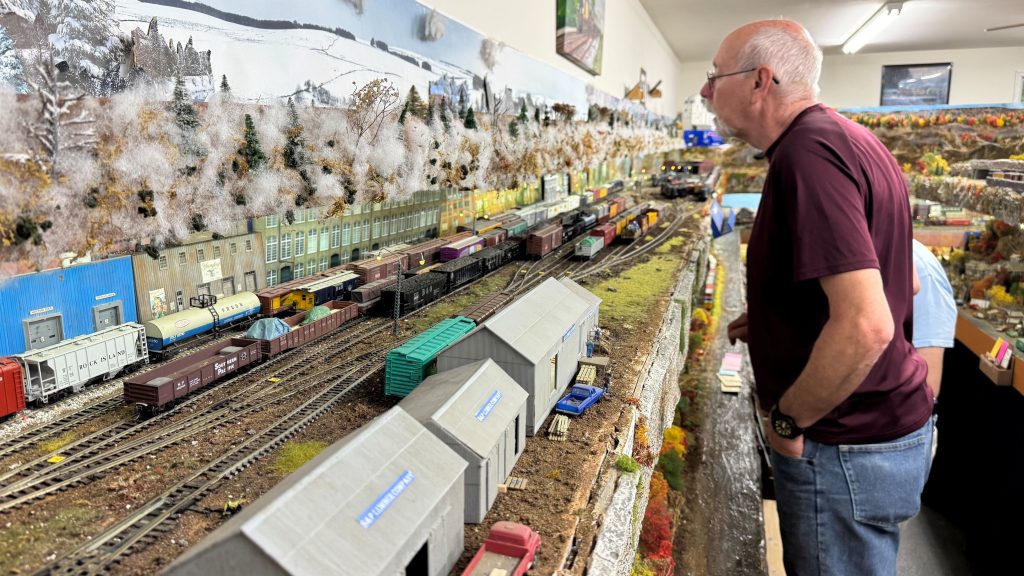
The Achievement Program goes beyond simply testing operational knowledge. It also encourages members to give back to the hobby community through mentoring newer operators, assisting during operating sessions, volunteering within the hobby, sharing ideas and techniques with fellow modelers, and authoring articles or presenting clinics about railroad operations. In many ways, the program reflects one of the strongest traditions within model railroading — learning from one another and helping others improve their enjoyment of the hobby.
Membership in OpSIG is affordable at only $10 per year, making it an excellent value for anyone interested in improving the operational side of their layout. Many Chesapeake Division members already participate in operating sessions throughout the region, and OpSIG provides an outstanding resource for developing the skills and techniques that make those sessions both realistic and enjoyable.
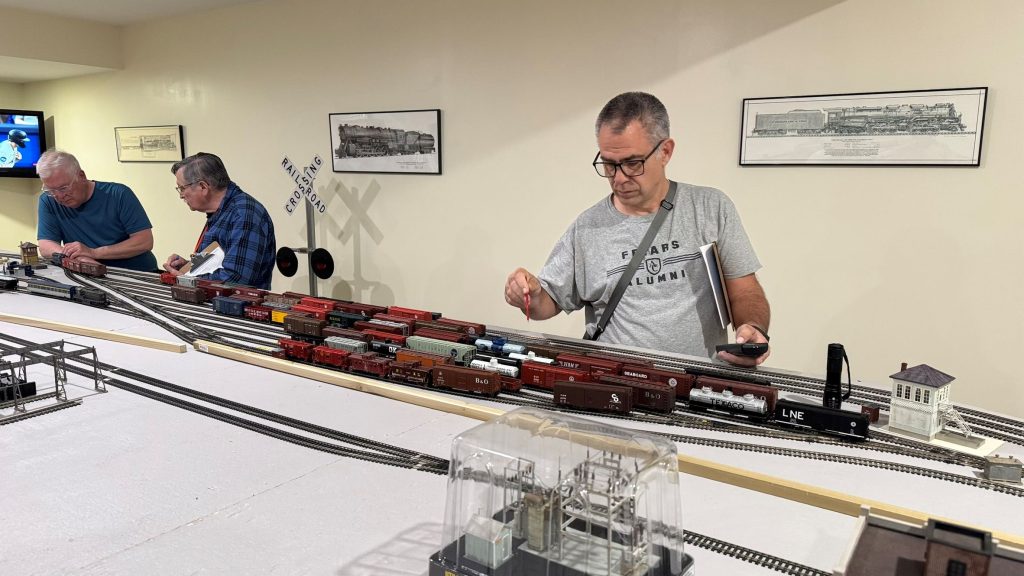
If you have ever wondered how real railroads manage train movements, route freight cars, coordinate crews, or keep traffic flowing across busy rail networks, the Operations Special Interest Group is well worth exploring. You can learn more about the organization and membership opportunities by visiting the OpSIG website.
Operations is often described as the aspect of model railroading that turns a layout into a living railroad. OpSIG helps modelers bring that experience to life.